






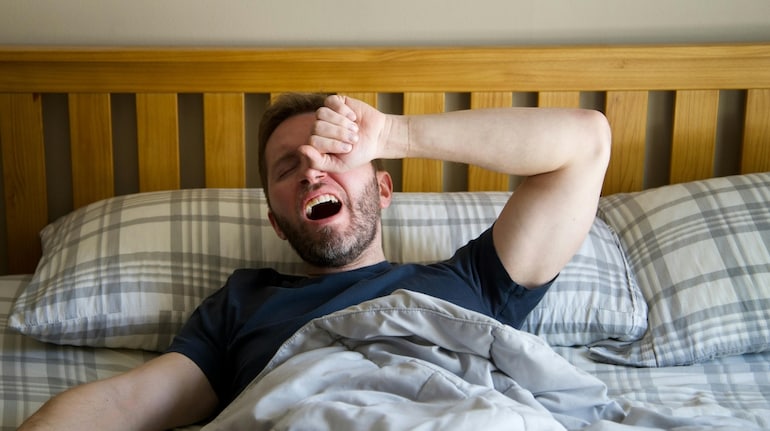

Waking up tired every morning is often attributed to stress, poor sleep, or bad lifestyle choices. But if fatigue persists even when you get a good night’s sleep, the cause could be slightly more complicated — and more heart-related. One of these is a slow heart rate during sleep, called nocturnal bradycardia. Although it is normal to have a lower heart rate at night, too slow a heart rate can restrict adequate blood flow and oxygen distribution to other organs in the body including the brain.
“We typically define bradycardia as a heart rate of less than 60 beats per minute, but in sleep, rates that get too low can be problematic—particularly if they drop below 40 beats a minute,” says Dr Neelam Awasthi, Consultant Cardiologist and Cardiac Electrophysiology Specialist. That could have been caused by electrical conduction problems of the heart, medication effects, untreated sleep apnea or heart disease. Athletes can have lower heart rates for natural reasons, but most of the time symptoms are mild and people don’t notice them.
Also Read: Tired all the time? It might be more than just poor sleep
Morning fatigue, dizziness, or mental fog may be early signs of night-time bradycardia, says the doctor and adds that It is important to note that early identification is key, and providing treatment can effectively return energy levels back to normal and help to avoid more severe consequences, such as fainting or heart rhythm disturbances.
Feeling exhausted after a full night of sleep is the biggest red flag. If your heart rate slows at night too much, even if you have enough oxygen to survive all day and night, you may not get the restorative sleep that makes you feel rested and strong mentally and physically.
Bradycardia can cause fainting due to poor circulation, especially on awakening or standing up quickly. Others describe eyesight blur or dizziness which suggests that the brain may be deprived of oxygen while asleep.
A slow heart rate can challenge the body to supply enough oxygen even at rest. This can result in shortness of breath, tightness in the chest or discomfort, especially during waning nighttime and early morning hours requiring prompt assessment for a medical condition.
Diminished blood delivery to the brain with prolonged periods of low heart is likely to impair cerebral function. Some people may notice forgetfulness, difficulty focusing or mental fatigue — symptoms often dismissed as the effects of stress or aging rather than an issue with heart rhythm.
Doctors might suggest ECGs, Holter monitoring or sleep studies to find any irregular heart rhythms during the night. Current medications should also be reviewed because some drugs can make heart rate decrease too much during sleep.
Also Read: 8 body symptoms you shouldn’t ignore and what they may be telling you
Treatment is dependent on the cause — correcting or treating sleep apnea, restoring electrolyte imbalances, or discontinuing medications may alleviate the symptoms. In serious cases with life-threatening abnormalities of the heart rhythm, a pacemaker may be necessary to control the heartbeat.
1. What is nocturnal bradycardia?
Nocturnal bradycardia refers to a slow heart rate during sleep. While a lower heart rate at night is normal, an excessively slow rate can be concerning.
2. What causes nocturnal bradycardia?
Causes include electrical conduction problems in the heart, medication effects, untreated sleep apnea, or underlying heart disease.
3. What are the symptoms of nocturnal bradycardia?
Symptoms include persistent morning fatigue, dizziness, light-headedness, difficulty breathing, chest pressure, memory issues, and poor concentration.
4. How is nocturnal bradycardia diagnosed?
Diagnosis may involve ECGs, Holter monitoring, or sleep studies to detect irregular heart rhythms. A review of current medications is also necessary.
5. What are the treatment options?
Treatment depends on the underlying cause. This may include addressing sleep apnea, correcting electrolyte imbalances, or discontinuing certain medications. In severe cases, a pacemaker may be needed.
Disclaimer: This article, including health and fitness advice, only provides generic information. Don’t treat it as a substitute for qualified medical opinion. Always consult a specialist for specific health diagnosis.
Discover the latest Business News, Sensex, and Nifty updates. Obtain Personal Finance insights, tax queries, and expert opinions on Moneycontrol or download the Moneycontrol App to stay updated!
Find the best of Al News in one place, specially curated for you every weekend.
Stay on top of the latest tech trends and biggest startup news.





