






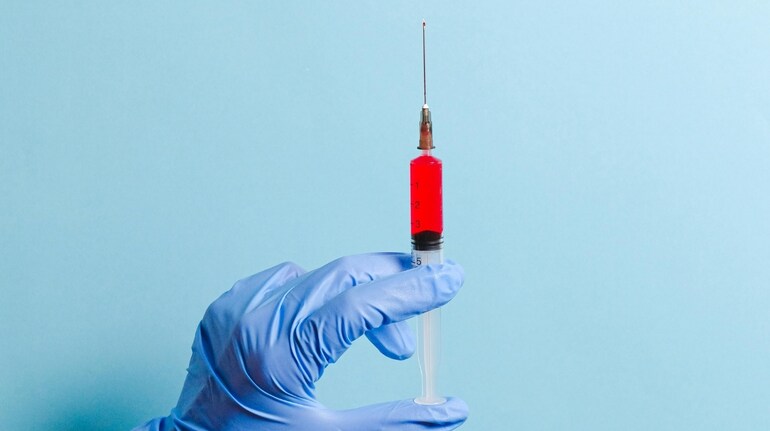
The CDC vaccine advisory has voted to end the blanket recommendation of hepatitis B vaccination for all newborns at birth. Now the focus would be on individual babies born to mothers who test negative for the virus. The vaccination dosage will continue for mothers who test positive for hepatitis B and those who are unsure about the hepatitis B status.
For over 3 decades, as per the U.S. policy, it was recommended that every baby will receive a hepatitis B shot within 24 hours of their birth. This policy recommendation applied to every newborn irrespective of what the infection status of the mother was.
Thanks to this, a 99% reduction was seen in hepatitis B infections in children and teenagers.
In December 2025, the Advisory Committee on Immunization Practices (ACIP), which guides the CDC policy, voted 8-3 to stop recommending a routine birth dose for babies who are born to mothers who test negative for hepatitis B.
Therefore, mothers who test negative for the virus are now advised to decide in consultation with the doctor of their child when and whether they want to give vaccine dosage to their child, with any delayed first dose given no earlier than 2 months of age.
The new development has come about, because presenters at the ACIP meeting stated that the vaccine does not provide significant additional protection, because the US now has low hepatitis B rate and better blood testing, safer dialysis and harm reduction programs.
Also read: Are the eggs you eat for breakfast safe? Doctor says beware of this one substance
It was also observed that other countries with similar economic status as US do not provide vaccine dosage to babies born to mothers who test negative for the virus.
Dr Meena J., Senior Consultant, Paediatrics & Neonatology, Aakash Healthcare, said the CDC’s new stance reflects low hepatitis B prevalence and strong prenatal screening in the United States. "However in India, we still see new infections and missed maternal testing. Removing it may lead parents to delay or skip vaccination, increasing risk. I feel this change is not good for countries like India. Parents here need clear public health guidance, and ICMR should communicate why India’s vaccination schedule remains universal at birth, supported by our own data," she told Moneycontrol.
Dr Sumit Chakravarty, Associate Director, Paediatrics & Neonatology & Head NICU, Paediatrics & Neonatology, Asian Hospital, told Moneycontrol, "The US decision to drop the universal birth-dose for hepatitis B is worrying. For decades, vaccinating all newborns soon after birth has helped prevent lifelong liver infection and cancer. In India, hepatitis B rates are still significant, and health systems are not perfect many mothers do not get tested reliably. A blanket recommendation at birth is a simple, effective protection for every baby. A change like this, based on one country’s context, should not influence Indian policy unless our experts carefully review data. ICMR and Indian pediatric bodies must clarify if anything similar is safe here."
Q. What does the Hepatitis B vaccine protect against?
It protects against Hepatitis B, a serious liver infection caused by the hepatitis B virus.
Q. Why is the Hepatitis B vaccine important?
It helps prevent chronic liver disease, liver cirrhosis, and liver cancer.
Q. Who should get the Hepatitis B vaccine?
It is recommended for infants, children, adults, and people at higher risk of infection.
Q. Is the Hepatitis B vaccine safe?
Yes, it is safe and effective, with only mild side effects like soreness at the injection site.
Q. How long does the Hepatitis B vaccine provide protection?
It offers long-lasting protection, often for life after completing the full vaccine series.
Disclaimer: This article, including health and fitness advice, only provides generic information. Don’t treat it as a substitute for qualified medical opinion. Always consult a specialist for specific health diagnosis.
Discover the latest Business News, Sensex, and Nifty updates. Obtain Personal Finance insights, tax queries, and expert opinions on Moneycontrol or download the Moneycontrol App to stay updated!
Find the best of Al News in one place, specially curated for you every weekend.
Stay on top of the latest tech trends and biggest startup news.




