






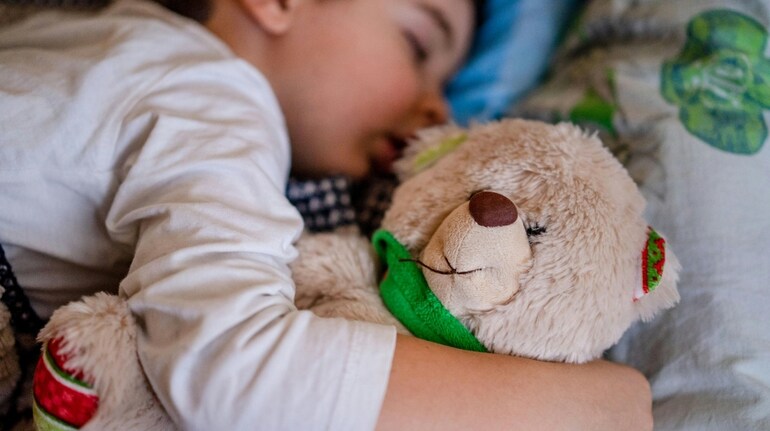

A child’s physical growth, emotional well-being, and cognitive development are partly supported by sleep. However, sleep problems have rapidly become a significant health issue for children today. Irregular school hours, early morning announcements, virtual classes, and additional screen time have severely disrupted children's sleep patterns.
Spending more time with screens in the evening interferes with the child's melatonin production, a hormone that induces drowsiness and prepares the body for sleep. Irregular daily routines confuse their internal clocks, making it difficult to fall asleep and stay asleep. As a result, many children experience fatigue, difficulty concentrating, mood changes, and declining academic performance. Recognising the causes of disrupted sleep is the first step to improving sleep habits and long-term health.
"Considering how widespread irregular sleep schedulesand gadget usage are, it is crucial to understand their impact on sleep,” Dr Poonam Sidana, Director of Neonatology and Paediatrics at CK Birla Hospital, Delhi, tells Moneycontrol. Early detection, parental awareness, and consistent routines are key to preventing sleep disorders and ensuring children's health and growth.
Also read | Importance of good sleep for children: Tips to establish healthy bedtime schedule
Changing school schedules, early classes, varying test times, and holidays confuse children's body clocks. Irregular routines make it challenging for children to sleep and wake up on time.
Devices like cell phones, tablets, and gaming consoles emit blue light that impairs melatonin's sleep-inducing function. Children who use these devices at night keep their brains alert, delaying sleep by 1-3 hours.
Children today experience "fear of missing out" (FOMO) when they see things online. Their minds remain engaged and "awake" late at night due to online activities.
Today's children spend most of their time indoors, resulting in less physical activity and minimal exposure to sunlight, which are essential for sleep regulation and preparing the body for sleep.
Excessive homework and late-night studying lead children to go to bed later. They develop a habit known as "bedtime revenge procrastination," seeking alone time by staying up late.
Sleep deprivation in children can result in temperamental behaviour, concentration difficulties, fatigue, and hyperactivity. In some cases, sleep deprivation can cause ADHD-like symptoms.
Establish fixed sleep and wake-up times: Consistent daily routines help adjust the body clock.
Avoid screens at least one to two hours before sleep: This allows melatonin production.
Encourage daily outdoor activities: Physical activity promotes better sleep.
Keep gadgets out of the sleeping area: Ensure the bedroom is a sleep-friendly environment.
Use warm light in the evening: Signals the approach of bedtime.
Create a relaxing bedtime routine: Reading and storytelling can help children with sleep disorders, potentially preventing obesity, mood issues, and poor academic performance.
Consistent efforts can reset a child’s sleep cycle and prevent long-term health problems such as obesity, mood disorders, and poor academic performance.
1. What are common sleep disorders in children?
Common sleep disorders in children include insomnia, sleep apnea, restless leg syndrome, and night terrors. These conditions can disrupt sleep quality and affect overall health.
2. How does screen time affect children's sleep?
Excessive screen time in the evening interferes with melatonin production, delaying sleep by 1-3 hours. Blue light from screens keeps the brain alert, making it difficult for children to fall asleep.
3. How can irregular school schedules impact children's sleep?
Irregular school schedules, early classes, and varying test times confuse children's body clocks, making it challenging to maintain consistent sleep and wake-up times.
4. Why is physical activity important for children's sleep?
Physical activity and sunlight exposure help regulate sleep patterns and prepare the body for rest. Lack of activity leads to reduced healthy fatigue, hindering sleep quality.
5. What can parents do to improve their child's sleep?
Parents can establish fixed sleep and wake-up times, avoid screens before bedtime, encourage outdoor activities, keep gadgets out of the bedroom, use warm lighting, and create a relaxing bedtime routine to improve sleep.
Disclaimer: This article, including health and fitness advice, only provides generic information. Don’t treat it as a substitute for qualified medical opinion. Always consult a specialist for specific health diagnosis.
Discover the latest Business News, Sensex, and Nifty updates. Obtain Personal Finance insights, tax queries, and expert opinions on Moneycontrol or download the Moneycontrol App to stay updated!
Find the best of Al News in one place, specially curated for you every weekend.
Stay on top of the latest tech trends and biggest startup news.





