






Dear Reader,
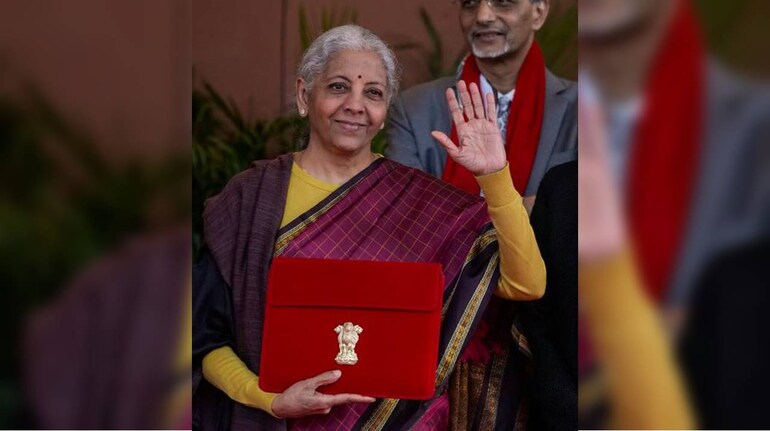
The Panorama newsletter is sent to Moneycontrol Pro subscribers on market days. It offers easy access to stories published on Moneycontrol Pro and gives a little extra by setting out a context or an event or trend that investors should keep track of.Mr Market didn’t have lofty expectations about the Union Budget of 2026-27, to start with. Even so, Finance Minister Nirmala Sitharaman seems to have given enough reason for investors to sulk. At the time of writing, both the benchmark equity indices have slipped about 1.5 percent, with the Sensex having sunk about 1000 points. The bond market, when it opens on Monday, would show its own tantrum by sending yields higher.
The Union Budget, historically presented on a Sunday this time, had two other negative points to it (the first negative is it being a Sunday!). The finance minister announced a securities transaction tax (STT) hike in futures and options. The STT on futures has been raised to 0.05 percent from 0.02 percent—a staggering 150 percent increase—while that on options has climbed 50 percent, to 0.15 percent from 0.1 percent.
STT is akin to a taboo word in equity markets. It increases the cost of transacting and will dent trading volume in the futures and options market which was already getting thinner. Even foreign investors thinking about dipping their toes would now want to stay away. When the F&O volumes suffer, so does other segments. That explains why the equity indices fell today. Shishir Asthana brings out the angst of the market in his column here.
The second negative was delivered after a lulling reiteration of commitment to fiscal consolidation. Sitharaman pegged the all-important fiscal deficit at 4.4 percent of gross domestic product (GDP) and flagged the shift to debt-to-GDP metric as the anchor for fiscal policy. But she slipped in a market borrowing of Rs 17.3 trillion for FY27, 17 percent higher than that of the current fiscal year. While the fiscal consolidation should get Sitharaman points and keep bond markets relieved, dumping a colossal amount of bonds onto investors is a sure way towards indigestion. As such, the bond market has been reeling under a heavy supply of state bonds this year amid a disappointing liquidity situation.
Yields have remained elevated and nothing that the Reserve Bank of India (RBI) has given has worked on investors. The RBI has bought a record Rs 5.7 trillion worth of bonds this year so far and the new fiscal year’s market borrowing numbers guarantee that the central bank will remain a big buyer of bonds for a longer period of time or risk nullifying the entire impact of a pro-growth monetary policy. But there is a medium term silver lining which we write about in our bond market piece here.
There is some discomfort for corporates as well. The budget tweaked the corporate tax regime by changing the minimum alternate tax to nudge companies towards the new regime. Ravi Ananthanarayanan brings all the details and implications in his piece here.
That does not mean that the budget was a disappointment throughout. Markets appreciated the commitment to fiscal consolidation and an improvement in expenditure management. A decline in fiscal deficit for the fifth straight year is laudable even when constrained by a slowing nominal GDP and tax revenues.
Investors have appreciated the sharp increase in capital expenditure for yet another year. The budget announced several notable infrastructure project intentions, reiterated the policy focus on semiconductors, rare earths and biosimilars and rationalised customs duties on select areas. Sitharaman also announced measures to reduce the pain of American tariffs on labour-intensive sectors such as textiles, and seafood.
However, most of these announcements are medium-term in nature and the finance minister tagged the vision of Viksit Bharat in most of them. Visions are long-term and give hope but do not fix today’s problems. One such vision is for banks which we detail here. Markets were looking for a ray of sunshine at a time when global developments have cast a dark cloud that refuse to clear. The finance minister may have done her best, but that may not be good enough for the markets.
The devil is always in the details and budgets are notorious for burying important details in the fine print. The MC Pro team and our expert contributors are analysing such details; so expect more analysis your way. Do keep a watch on MC Pro and a second newsletter with all the important links will be sent to you late evening.
MC Pro Analysis of Budget 2026
Markets
Derivatives market faces uncertain future after Union Budget 2026 delivers tax shock
What this Budget means for rates and fixed income strategyIndia Budget 2026: Fiscal anchor shifts to debt-to-GDP, sustains capex-led growth
Economy & Policy
Union Budget 2026: Boxes ticked, but where’s the spark?
Was the STT hike necessary from the fiscal perspective?
India’s Budget 2026 tweaks corporate tax regime, could hurt earnings growth
Budget's higher market borrowing for FY27 queers the pitch for RBI
Union Budget 2026: Ease of doing business over market populism
Companies & Sectors
India Budget 2026 Decoded: Winners, losers, and investment takeawaysCentre keeps foot on capex pedal, provides incentives for private sector to step up
The beneficiaries of India’s Budget push to support data centres
Can Budget 2026 help India’s electronics manufacturing mature?Union Budget 2026 signals a structural shift from imports to indigenous power in defenceSustained investment push in Budget 2026-27 creates opportunities for investorsWhat Union Budget 2026 signals for Indian bankingIndia Budget 2026 gives a timely fillip to medical tourismWill data centres become the new infrastructure hotspot, post Budget?What else are we reading?Union Budget 2026 reflects swadeshi economics, aspirational Bharat and India’s civilisational confidencePragmatic budget which resisted the temptation of populism: CS Setty, Chairman, SBIUnion Budget 2026–27: Capital discipline, structural reforms, and India’s growth inflection Budget expands semiconductor focus from being fab-centric to full value chainDefence budget gets a big boost, hits 2% of GDPBudget 2026 signals India’s shift to strategic, tech-led growthA budget with a long-term focusBudget positions robust health as productive economic infrastructureIndia’s 16th Finance Commission: Status quo amidst grand bargainTechnical Picks: TCS, NMDC, PAYTM, HUDCO, GAIL
Aparna Iyer
Moneycontrol Pro
Discover the latest Business News, Sensex, and Nifty updates. Obtain Personal Finance insights, tax queries, and expert opinions on Moneycontrol or download the Moneycontrol App to stay updated!
Find the best of Al News in one place, specially curated for you every weekend.
Stay on top of the latest tech trends and biggest startup news.




