

co-presented by
ASSOCIATE SPONSORS
co-presented by


ASSOCIATE SPONSORS




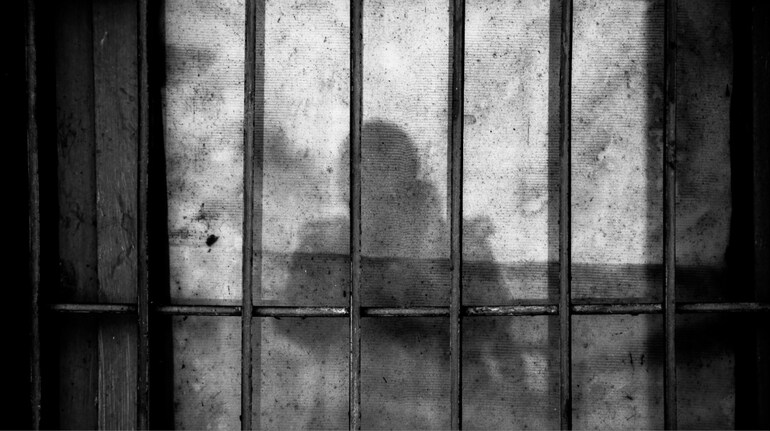
In early 1991, while jailed at Rikers Island, Emel McDowell received a letter that would define the next three decades of his life. It was written by the man McDowell believed had actually fired the fatal shot at a Brooklyn house party months earlier. The handwritten note expressed guilt, remorse and anguish over the fact that McDowell, a close friend, was locked up for a crime he did not commit.
For McDowell, then 18, the letter felt like proof that the truth would eventually come out. He handed it to his court-appointed lawyer and trusted that the justice system would do the rest. It did not. The letter was never presented at trial, never shared with prosecutors, and never investigated.
Instead, McDowell was convicted of murder and sentenced to 22 years to life, according to a CNN report.
A teenager caught in a system under pressure
McDowell’s arrest came at a volatile moment in New York City. The early 1990s were marked by high crime rates, the crack cocaine epidemic and intense political pressure on police to secure arrests and convictions, particularly in cases involving young Black men.
At 17, McDowell was an honour student planning to enlist in the US Army. He attended a house party against his mother’s wishes. A fight broke out. According to McDowell and later confirmed evidence, another man pulled out a gun and fired, killing 19-year-old Jonathan Powell. McDowell fled the scene with his girlfriend.
The next day, at his mother’s urging, McDowell voluntarily went to the police precinct. He never came home. Despite conflicting witness accounts and the absence of a murder weapon, detectives focused on him. The Brooklyn District Attorney’s Office would later acknowledge that police failed to pursue evidence pointing to the real shooter, a lapse attributed to tunnel vision and confirmation bias.
Conviction, confinement and quiet resistance
After more than two years in jail awaiting trial, McDowell was convicted in 1992. He entered the state prison system at 19, carrying little more than a Bible. Inside it, he kept the letter.
For nearly two decades, McDowell fought his case from behind bars. He taught himself the law, earned college credits, completed a paralegal programme and helped other inmates file appeals. He cold-called lawyers, activists and journalists, always pointing to the same piece of evidence: the letter.
Appeals failed. Hope faded. Still, the letter remained with him, creased and worn, a private reminder that someone else knew the truth.
Freedom without innocence
In 2009, after 19 years in prison, prosecutors offered McDowell a deal. He could plead guilty to manslaughter and walk free immediately with time served. Rejecting it meant risking continued incarceration with no guarantee of success.
He accepted. McDowell left prison physically free but legally guilty, a status that haunted him. He had his family back, but not his name. For him, release without exoneration was not justice.
A confession, decades late
The turning point came years later, after McDowell and his new lawyer, Oscar Michelen, persuaded the Brooklyn District Attorney’s Conviction Review Unit to reopen the case. In 2023, the office announced that the man who had written the letter had confessed to firing the gun, claiming self-defence.
The DA moved to vacate McDowell’s conviction, formally acknowledging that the justice system had failed him. The real shooter was not charged, but McDowell was finally cleared.
Soon after, he received a $9 million settlement from New York City for his wrongful conviction.
The costs that money does not cover
McDowell’s fight is not over. He has filed a separate claim against New York State, arguing that he is owed compensation for nearly two decades of forced prison labour and lost wages. His lawyer compares the system of pennies-per-hour prison work to a modern form of coerced labour, particularly when imposed on someone later proven innocent.
Beyond money, McDowell speaks openly about what cannot be restored. He lost his youth, his father died while he was incarcerated, and many ordinary milestones never happened. Even after exoneration, background checks can still surface his conviction, forcing him to repeatedly explain a past he did not choose.
A broader lesson in wrongful convictions
McDowell’s case underscores recurring themes in wrongful conviction cases: rushed investigations, overreliance on limited witnesses, failure to pursue alternative suspects and inadequate defence representation. It also highlights how evidence that could exonerate a defendant can be ignored without accountability.
Today, McDowell works in real estate and legal support and hopes to attend law school. He wants to help others still fighting from prison cells.
He no longer reads the letter. It is too painful. But its impact endures as a reminder of how easily justice can fail, and how long it can take to put it right.
Discover the latest Business News, Sensex, and Nifty updates. Obtain Personal Finance insights, tax queries, and expert opinions on Moneycontrol or download the Moneycontrol App to stay updated!
Find the best of Al News in one place, specially curated for you every weekend.
Stay on top of the latest tech trends and biggest startup news.