






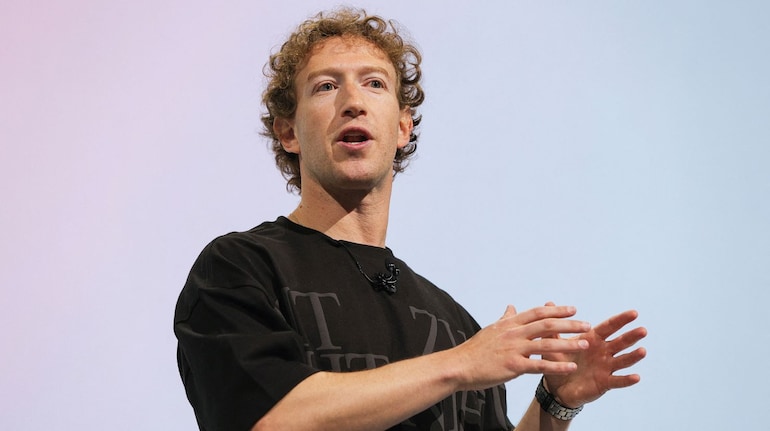

When Mark Zuckerberg testified in a Los Angeles courtroom this week, one detail cut through hours of legal back-and-forth. He acknowledged that he personally overruled concerns from 18 wellbeing experts to reinstate beauty filters on Instagram, despite internal warnings that the tools could harm teenagers.
Zuckerberg told the jury that his decision came down to what he saw as a principle at stake: free expression. Restricting filters, he said, felt “paternalistic” and “overbearing,” and he wanted Meta to err on the side of allowing users to present themselves as they wished.
That choice is now under scrutiny in a trial that could reshape how social media companies are held responsible for harm to children, the Financial Times reported.
What the experts warned about
Instagram temporarily suspended beauty filters in 2019 while Meta commissioned a review of their impact. According to court testimony, all 18 experts hired for that review concluded the filters posed a wellbeing risk, particularly for teenagers vulnerable to body image issues.
Internal documents cited in court show Meta was aware that altered images could contribute to body dysmorphia, anxiety and unhealthy comparison among young users. Despite this, the company reinstated the filters.
Zuckerberg told the jury the decision was not driven by money. Instead, he framed it as a philosophical choice about whether Meta should decide how people are allowed to express themselves online.
The lawsuit behind the testimony
The case, being heard in a Los Angeles state court, is one of the first jury trials testing whether social media companies can be held liable for designing products that plaintiffs say are deliberately addictive to children.
The plaintiff, a 20-year-old identified only as KGM, argues that prolonged use of Instagram and YouTube during childhood led to anxiety and depression. Snap and TikTok settled with her before trial. Meta and Google chose to fight.
Legal observers see the case as a potential tipping point, drawing comparisons to the tobacco lawsuits of the 1990s. A loss could open the door to thousands of similar claims from individuals, school districts and state governments.
Time spent versus user value
Under questioning, Zuckerberg pushed back against the idea that Meta’s products were built to maximise screen time at all costs. He told the jury that the company no longer sets internal goals focused on time spent, saying it now prioritises “utility” and long-term value for users.
Plaintiffs’ lawyers countered with years of internal emails, some written by Zuckerberg himself, in which boosting engagement and time spent were described as explicit goals, including for teenage users.
One internal message described Instagram as “a drug,” with a researcher warning that the platform delivered dopamine hits similar to addictive substances. Zuckerberg said such documents reflected an earlier phase of the company’s thinking.
“I wish we could’ve gotten there sooner,” he told the court.
Children on the platform, despite the rules
Zuckerberg was also pressed on Meta’s repeated assurances that children under 13 are not allowed on Instagram. Lawyers presented internal estimates suggesting that as early as 2015, millions of under-13s were already using the platform.
Zuckerberg acknowledged that identifying underage users is difficult because many lie about their age. He said Meta is now investing more heavily in tools to detect and remove those accounts, though he conceded the company had been slow to act.
Why this case matters beyond Meta
Meta argues that scientific evidence linking social media use directly to addiction or mental illness is mixed, and that other factors, including family environment, may explain the plaintiff’s struggles. The company is also relying on Section 230 of US law, which limits platform liability for user-generated content.
Plaintiffs say the case is not about content but about design. Features such as likes, infinite scroll, filters and notifications, they argue, were engineered to keep children hooked.
For Zuckerberg, the testimony underscored how much power ultimately rests with the chief executive. Faced with unanimous expert advice, he chose to override it.
The jury will now decide whether that choice was a defensible judgment call or evidence of negligence in a system that put engagement ahead of children’s wellbeing.
Discover the latest Business News, Sensex, and Nifty updates. Obtain Personal Finance insights, tax queries, and expert opinions on Moneycontrol or download the Moneycontrol App to stay updated!
Find the best of Al News in one place, specially curated for you every weekend.
Stay on top of the latest tech trends and biggest startup news.





