






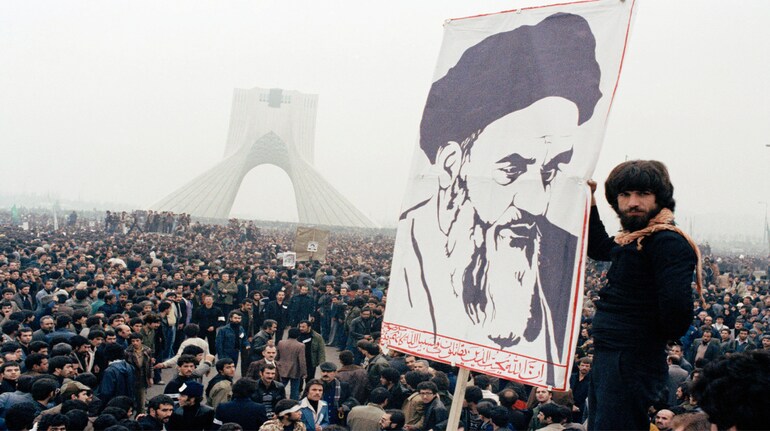
Over the past few days, a series of striking images has been circulating on social media: young Iranian women holding up pictures of Supreme Leader Ali Khamenei and using them to light cigarettes. Some burn the corners of the posters. Some tear them first. Some simply hold the flame and watch the paper curl.
To an outsider, it might look like a provocative internet trend. Inside Iran, it is something far more serious and far more risky.
In the Islamic Republic, the Supreme Leader is not just a political figure. He is the highest authority in the system, and insulting him is a criminal offence that can lead to arrest, interrogation or worse. His portraits hang in government offices, schools and on city streets. Publicly burning or defacing his image is a direct challenge to the state.
That is what makes these images so powerful.
The act is also layered with another kind of rebellion. Smoking in public by women has long been discouraged, frowned upon or quietly policed in many parts of Iran. While not always explicitly illegal, it is often treated as “improper” behaviour. By lighting a cigarette using the Supreme Leader’s picture, the women are breaking two taboos at once: defying political authority and rejecting social control over their bodies.
This kind of symbolic protest has become more common since the wave of demonstrations that followed the death of Mahsa Amini in police custody in 2022. That moment marked a turning point. Even though the street protests were brutally suppressed, the anger did not disappear. It simply changed form.
Now, instead of mass rallies, resistance often shows up in small, dangerous gestures: refusing to wear the hijab, filming confrontations with morality police, or posting images like these.
Many of the women sharing these photos do so anonymously, using VPNs to bypass Iran’s internet restrictions. The captions that accompany the posts usually speak of exhaustion, anger and a desire for dignity rather than revolution. But the message is unmistakable: this is a rejection of fear.
State media has condemned these acts as obscene and disrespectful, blaming “foreign influence” and promising tougher enforcement. That response itself shows how seriously the authorities take even symbolic disobedience.
For the women involved, this is not about being shocking for the sake of it. It is about reclaiming a small piece of control in a system that regulates what they wear, how they behave and how they live.
A cigarette and a piece of paper may seem like small things. In today’s Iran, they are not. They are a statement.
Discover the latest Business News, Sensex, and Nifty updates. Obtain Personal Finance insights, tax queries, and expert opinions on Moneycontrol or download the Moneycontrol App to stay updated!
Find the best of Al News in one place, specially curated for you every weekend.
Stay on top of the latest tech trends and biggest startup news.




