






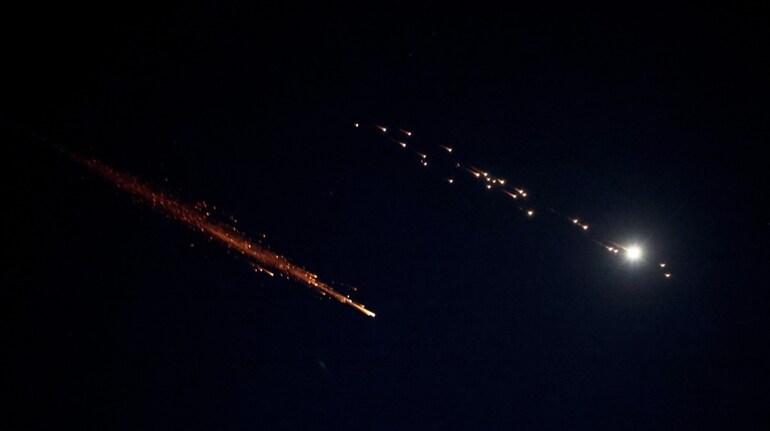

Iran possesses the largest ballistic missile arsenal in the Middle East. These missiles can strike targets up to 2,000 kilometres away, reaching Israel, Gulf states and US bases across the region.
But the missiles themselves are only useful if Iran can launch them. That requires specialised mobile launchers, usually mounted on large truck-like vehicles. Destroy those launchers, and the missiles become effectively useless.
This is why Israel and the United States have focused heavily on hunting them since their strikes on Iran began on February 28. Satellite networks, surveillance aircraft and drones are constantly scanning the country to detect launchers as soon as they leave their hiding places.
Military analysts say the crews operating these launchers are now among the most exposed soldiers in the entire conflict, the Financial Times reported.
A deadly game of hide and seek
Once a launcher leaves its underground shelter, the clock starts ticking.
Iran hides many of its missile units in vast tunnel complexes carved into mountains, sometimes called “missile cities”. Inside these underground bases, launchers and crews are relatively safe from air strikes.
The danger begins when they emerge to fire.
Experts say drones and satellites can detect launchers quickly. If spotted, Israeli or US forces can launch precision strikes within minutes. That means missile crews must move quickly, set up the launcher, fire and escape before they are targeted.
Farzin Nadimi, a missile expert at the Washington Institute, described it bluntly. The crews, he said, may now face life expectancies measured in days.
Launching a missile is a complex operation
Firing a ballistic missile involves far more than pressing a button.
A crew of about five to ten soldiers must transport the missile to the launcher, align the vehicle and input extensive targeting data. This can include navigation coordinates, meteorological information and calculations about the earth’s rotation.
Normally this preparation can take about an hour. In wartime conditions, crews try to reduce the process dramatically.
From a prepared launch site, trained crews can sometimes fire within ten minutes. But because many known sites are now under surveillance, crews may be forced to use improvised locations such as roadsides or open fields, which slows the process.
GPS jamming across Iran is making the job even harder. Some crews may have to rely on old methods such as maps or even star-based navigation to determine their position.
Why Iran’s missile strikes have slowed
The intense hunt for launchers appears to be affecting Iran’s ability to fire missiles.
According to US officials, ballistic missile launches dropped sharply within days of the conflict beginning. In the United Arab Emirates, the number of missiles fired reportedly fell from more than 160 on the first day of the war to fewer than ten later in the week.
Israel claims it has already destroyed more than 300 launchers, although analysts estimate Iran may still have between 100 and 200 remaining.
As those numbers fall, each surviving launcher becomes even more valuable and more heavily hunted.
Iran searching for alternatives
Iran has tried to adapt by hiding launchers in barns, forests and under bridges, or spreading them across rural areas. Crews are also trained to operate with minimal support if communications are disrupted.
Some analysts believe Iran could increasingly rely on cruise missiles or attack drones, which are easier to launch and require simpler equipment.
But experts say those weapons cannot fully replace ballistic missiles, which carry larger payloads and travel much faster.
For now, the war has turned Iran’s missile crews into some of the most hunted soldiers on the battlefield, operating under the constant threat that the moment they reveal themselves, a strike could follow within minutes.
Discover the latest Business News, Sensex, and Nifty updates. Obtain Personal Finance insights, tax queries, and expert opinions on Moneycontrol or download the Moneycontrol App to stay updated!
Find the best of Al News in one place, specially curated for you every weekend.
Stay on top of the latest tech trends and biggest startup news.





