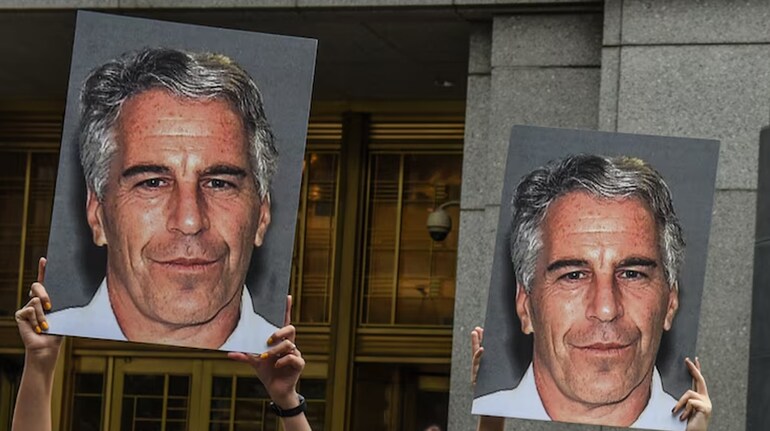

A new batch of US Justice Department documents has added another layer to the already complex picture of Jeffrey Epstein’s global contacts. This time, the focus is on Russia, CNN reported.
The emails show Epstein repeatedly attempting to connect with senior Russian officials, including President Vladimir Putin and Foreign Minister Sergey Lavrov. While the correspondence paints a picture of ambition and self-promotion, it does not confirm that Epstein ever succeeded in meeting Putin.
Trying to reach the Kremlin
In June 2018, Epstein emailed Norwegian politician Thorbjørn Jagland, then secretary general of the Council of Europe, suggesting that Jagland float the idea of a meeting between Epstein and Lavrov — and even Putin himself. Epstein referenced Russia’s former UN ambassador Vitaly Churkin, whom he claimed to have met regularly in New York.
In earlier exchanges from 2013, Epstein asked Jagland to pass along a message that he could help Russia structure deals to encourage Western investment. In one email, he described Putin as being in a “unique position to do something grand” and said he would be willing to meet for “two to three hours, not shorter.”
There is no clear evidence in the documents that such a meeting ever took place.
Connections through business and politics
The records also show Epstein maintaining ties with Russian figures involved in economic and investment circles. He described Sergey Belyakov, who had links to Russia’s economic forum and later to the Russian Direct Investment Fund, as a “very good friend.” Epstein offered introductions and signalled a willingness to help with attracting Western capital.
In one exchange, former Israeli Prime Minister Ehud Barak thanked Epstein for arranging meetings with Russian officials during the St. Petersburg International Economic Forum.
Epstein also corresponded about sanctioned Russian oligarch Oleg Deripaska, though it is unclear whether they ever met.
Visits to Russia
Flight logs confirm that Epstein and Ghislaine Maxwell travelled to Moscow and St. Petersburg in 2002. A later photo places Epstein in Sarov, a closed Russian town associated with nuclear research, though the exact context of that visit remains unclear.
Emails from 2018 and 2019 indicate Epstein was renewing or transferring a Russian visa shortly before his arrest on federal sex trafficking charges.
Intelligence speculation and denials
The documents have fuelled speculation in some quarters about whether Epstein had ties to Russian intelligence. Polish Prime Minister Donald Tusk has publicly suggested his country would examine possible links.
The Kremlin has dismissed such suggestions outright. Analysts caution that the emails largely show Epstein attempting to ingratiate himself with powerful people rather than acting as an agent of any state.
A pattern of self-positioning
What stands out is Epstein’s repeated effort to present himself as a broker between global elites. He invoked connections to prominent figures and portrayed himself as someone who could influence or advise world leaders.
The documents do not establish that he achieved the access he sought. But they do reinforce a familiar pattern: Epstein aggressively cultivating relationships at the highest levels of politics and business, often exaggerating his own importance in the process.
As with much of the material in the Epstein files, the revelations raise questions. But in this case, they offer more insight into ambition and networking than proof of covert influence.
Discover the latest Business News, Sensex, and Nifty updates. Obtain Personal Finance insights, tax queries, and expert opinions on Moneycontrol or download the Moneycontrol App to stay updated!
Find the best of Al News in one place, specially curated for you every weekend.
Stay on top of the latest tech trends and biggest startup news.