






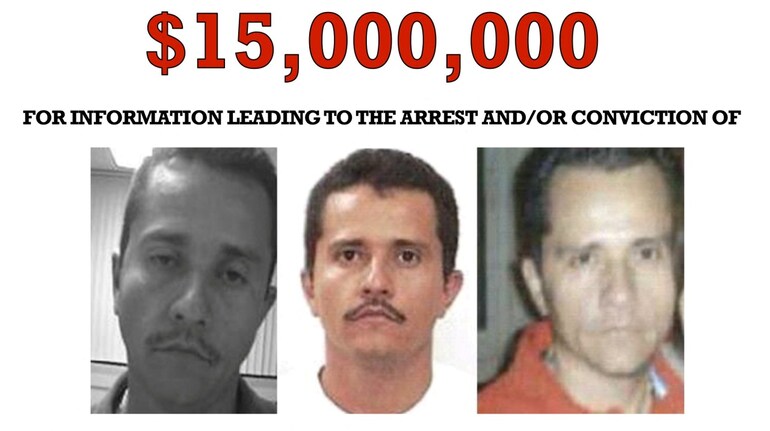

When Mexican forces finally closed in on Nemesio Oseguera Cervantes, better known as El Mencho, they were not just targeting a cartel boss. They were striking at the centre of a criminal system that had quietly reshaped the global cocaine trade.
Mexican authorities confirmed that Oseguera, 59, was killed during an army operation in southern Jalisco after being wounded in a firefight and dying during air evacuation to Mexico City. The mission involved elite Mexican military units and air force assets, supported by American intelligence.
The aftermath was immediate and violent. Cartel operatives torched vehicles to block highways, paralysed transport networks and forced cities into lockdown. Schools shut across multiple states, and security forces were placed on high alert nationwide.
The message was clear. El Mencho may have fallen, but the organisation he built still had teeth.
A kingpin who changed the cocaine business
Unlike many cartel leaders who rose on the back of narcotics production alone, El Mencho built his power by mastering logistics.
As head of the Jalisco New Generation Cartel, or CJNG, he turned supply chains into weapons. His network linked coca fields in Colombia to American cities thousands of kilometres away, creating what law enforcement now describes as a modern cocaine corridor.
This corridor was not accidental. It emerged from shifts in drug consumption inside the United States.
According to a Wall Street Journal report from 2024, data from Millennium Health showed cocaine use in the western US had jumped by 154 percent since 2019. In the eastern US, use rose by 19 percent. At the same time, data from the Centers for Disease Control and Prevention indicated fentanyl consumption began declining from mid 2023.
Several forces drove this change. Cocaine production in Colombia hit record levels. Street prices fell by $60 to $75 per gram compared with five years earlier. New users increasingly viewed cocaine as a safer alternative to fentanyl.
For CJNG, this was a commercial opening.
How pressure on fentanyl helped CJNG pivot
US policy played a role in shaping the battlefield.
Under the Trump administration, Washington placed overwhelming emphasis on combating fentanyl. Mexican authorities faced intense pressure to dismantle opioid supply chains, particularly those linked to the Sinaloa cartel.
Washington also designated major cartels, including CJNG, as foreign terrorist organisations.
This shifted enforcement priorities. While Sinaloa bore the brunt of operations targeting synthetic opioids, CJNG quietly expanded its footprint in cocaine trafficking.
El Mencho redirected resources toward maritime routes. Multi tonne cocaine shipments moved from Colombia to Ecuador and then north by speedboats and semi submersible vessels to Mexico’s Pacific coast. From there, drugs travelled through cartel controlled corridors toward the US border.
Sinaloa fractures and a rare opening
CJNG’s rise coincided with turmoil inside its most powerful rival.
The extradition of Joaquin Guzman in 2017 fractured the Sinaloa cartel. Leadership passed to his sons, known as Los Chapitos, who prioritised fentanyl production because it was cheaper and easier to move than heroin.
Then came a deeper rupture.
Ismael Zambada, known as El Mayo, was allegedly forced onto a private aircraft bound for the United States by one of El Chapo’s sons seeking leniency from prosecutors. Both were arrested upon landing near El Paso. Zambada later pleaded guilty and now faces possible life imprisonment.
The fallout was brutal. Violence erupted between factions loyal to Zambada’s son, Ismael Mayito Flaco Zambada, and the Chapitos. Roughly 5,000 people were killed or disappeared, forcing Mexico to deploy 10,000 troops to Sinaloa state.
For El Mencho, chaos meant leverage.
The alliance that built a cocaine corridor
In late 2024, El Mencho met a senior lieutenant of Ivan Archivaldo Guzman in Nayarit.
What followed was a deal that reshaped organised crime.
CJNG offered weapons, cash and fighters. In return, Sinaloa opened access to its cross border tunnels and smuggling routes into the United States. Previously, CJNG had paid heavy fees to use those tunnels. Now it gained direct access.
The understanding was simple. The Chapitos would dominate fentanyl. CJNG would control cocaine and methamphetamine.
Mexico’s attorney general later described the alliance as an unprecedented shift in criminal balance.
The arrangement unlocked scale. Cocaine moved from Colombia to Ecuador, crossed the Pacific to Mexico, and flowed through tunnels and highways into US cities. Lower prices drove higher volumes, allowing CJNG to maintain margins while flooding markets.
The strike and what it means
Mexican officials said the operation that killed El Mencho was intended to capture him alive. Cartel gunmen resisted fiercely.
Authorities confirmed four cartel members were killed, three wounded, including Oseguera himself. Three soldiers were injured, two suspects detained, and rocket launchers capable of destroying armoured vehicles or aircraft were seized.
The killing marked the most significant blow to cartel leadership since El Chapo’s recapture.
Washington had been urging Mexico to deliver visible results against organised crime, with threats ranging from tariffs to unilateral action. Intelligence cooperation reportedly helped locate El Mencho.
Privately, officials admit the impact remains uncertain.
Removing a leader does not erase logistics. The cocaine corridor El Mencho built continues to function across ports, coastlines, tunnels and distribution hubs spanning two continents.
His compound in the hills of Jalisco may now stand silent.
The system he engineered does not.
Discover the latest Business News, Sensex, and Nifty updates. Obtain Personal Finance insights, tax queries, and expert opinions on Moneycontrol or download the Moneycontrol App to stay updated!
Find the best of Al News in one place, specially curated for you every weekend.
Stay on top of the latest tech trends and biggest startup news.





