






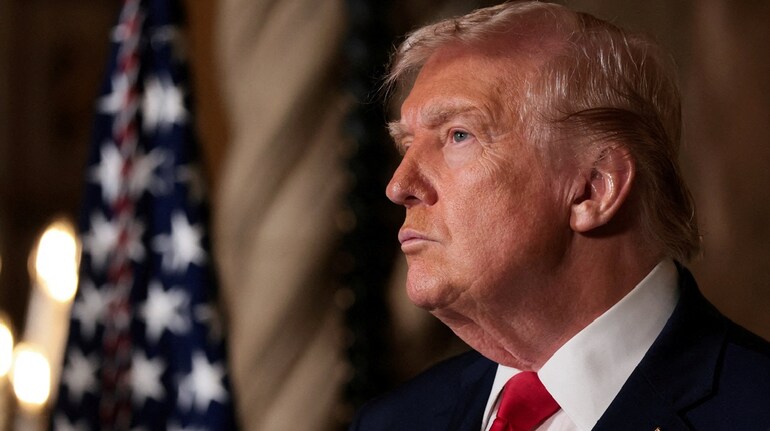

Just after the United States carried out a high-risk operation in Venezuela and took President Nicolas Maduro into custody, President Donald Trump publicly widened his target list, and put Cuba in the frame.
Asked whether the Venezuela raid sent a message to Havana, Trump said Cuba is 'a failing nation' and suggested it is 'something we’ll end up talking about,' framing any future focus as helping Cubans who 'have suffered for many, many years.'
Secretary of State Marco Rubio reinforced the warning in unusually blunt terms, calling Cuba 'a disaster' run by 'incompetent' leaders, and adding that if he were part of the government in Havana, he would be 'concerned.'
The remarks land as Washington’s Venezuela operation triggers global condemnation and raises fresh questions about how far Trump intends to push U.S. power in the region, and on what legal basis.
Why Cuba is back on Trump’s board
The Cuba file has been whiplash for a year:
Former President Joe Biden moved to rescind Cuba’s designation as a State Sponsor of Terrorism as part of a deal tied to prisoner releases. Trump reinstated the designation on his first day in office, reversing Biden’s decision.
Beyond the terrorism label, the U.S. embargo remains the structural constraint shaping day-to-day Cuban life and the U.S.-Cuba relationship, limiting commerce and financing routes, and turning every diplomatic shift into an economic shock. (The embargo’s contours have changed at the margins over the years, but the core restrictions endure.)
Rubio’s political biography also matters here: he has long argued that Havana’s security footprint and intelligence ties in the region make Cuba more than a symbolic enemy, and in the Trump administration’s framing, part of the ecosystem that props up leftist governments.
Colombia gets a warning too
Trump also trained his fire on Colombia’s President Gustavo Petro, accusing him of hosting cocaine production infrastructure and suggesting he should 'watch' himself, language that signals a broader posture: narco-trafficking isn’t just a law-enforcement issue; it’s being used as a justification frame for coercive state action.
The hard questions Washington hasn’t answered
How far does 'helping the people' go? The Venezuela operation was framed as both security and liberation. That language has historically expanded, not narrowed, mission scope.
What’s the legal basis? Reuters and the AP both reported backlash over the lack of congressional notification/authorization questions. That debate will intensify if Cuba becomes more than rhetoric.
What happens to regional alignment? U.S. action in Venezuela has already produced sharply split reactions. A Cuba escalation would likely harden blocs across Latin America and beyond, with knock-on effects for migration, energy, and security cooperation.
Discover the latest Business News, Sensex, and Nifty updates. Obtain Personal Finance insights, tax queries, and expert opinions on Moneycontrol or download the Moneycontrol App to stay updated!
Find the best of Al News in one place, specially curated for you every weekend.
Stay on top of the latest tech trends and biggest startup news.





