






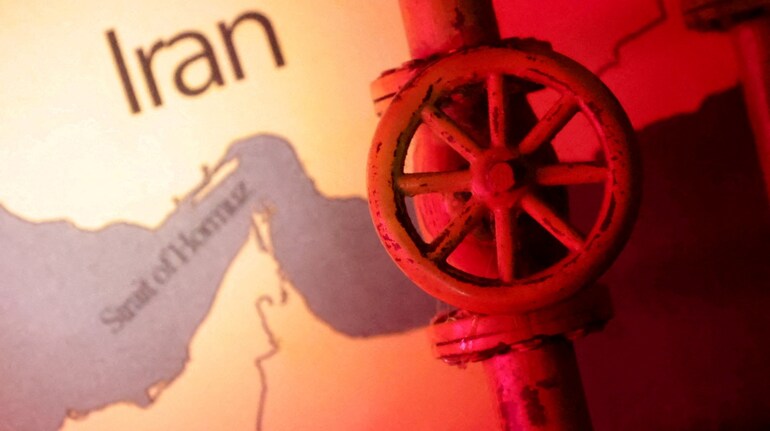

The escalating conflict involving the United States, Israel and Iran has raised fears worldwide about the potential shutdown of the Strait of Hormuz, one of the most critical energy corridors on the planet. Any disruption in this narrow waterway, through which a significant portion of the world’s oil supply travels, has the potential to send shockwaves across global markets.
However, despite the rising tensions and sharp swings in oil prices, India is not currently facing an immediate crisis. According to sources familiar with the situation, New Delhi has contingency measures in place and adequate reserves to manage short term disruptions.
Sources told CNN-News18 that India does not have any major concerns at the moment, although officials are closely monitoring the evolving situation in West Asia.
Meanwhile, government sources also said that prices of petrol and diesel at the retail fuel stations are unlikely to be increased for the foreseeable future. The oil marketing companies have enough cushion absorb rising costs, they added.
Oil markets rattled by Hormuz tensions
The war in West Asia has already shaken global energy markets.
Oil prices surged close to $120 per barrel earlier in the day before easing later. Brent crude, the international benchmark, climbed to about $119.50 per barrel before retreating to around $107.80 per barrel.
The volatility reflects growing concerns that military escalation could disrupt oil production and shipping routes across the Persian Gulf.
The conflict, now in its second week, has expanded to areas central to the production and transport of oil and natural gas. Attacks on energy infrastructure and fears of further strikes have heightened anxiety across global financial markets.
Prices moderated slightly after reports suggested that some G7 countries were considering releasing strategic oil reserves to stabilise markets.
Why the Strait of Hormuz matters
The Strait of Hormuz is widely regarded as the world’s most important oil chokepoint.
According to research firm Rystad Energy, roughly 15 million barrels of crude oil per day, about 20 percent of global oil supply, normally pass through this narrow corridor connecting the Persian Gulf to the Arabian Sea.
The strait is bordered by Iran on one side and serves as the primary export route for major producers such as Saudi Arabia, Kuwait, Iraq, Qatar, Bahrain and the United Arab Emirates.
With Iranian missile and drone threats increasing, tanker traffic in the area has slowed significantly. Some oil producing countries including Iraq, Kuwait and the UAE have reportedly cut production as storage facilities begin filling up due to reduced export capacity.
At the same time, energy infrastructure in the region has become a target. Iran, Israel and the United States have all launched strikes against oil and gas facilities since the war began, raising fears about further disruptions.
Rising energy costs and global economic risks
The surge in oil and gas prices is beginning to ripple through global economies.
Higher energy costs typically translate into higher fuel prices, which can push up transportation costs, manufacturing expenses and household bills. This creates inflationary pressure and can reduce consumer spending, a major driver of economic growth.
The last time oil prices reached similar levels was in 2022 following Russia’s invasion of Ukraine, which triggered a global energy shock.
Asian economies are particularly vulnerable because many countries in the region rely heavily on energy imports from the Middle East.
India’s dependence on the Strait of Hormuz
India is among the countries closely tied to the Strait of Hormuz for its energy supplies.
The country imports about 88 percent of its crude oil, and roughly 50 to 60 percent of these imports travel through the Strait of Hormuz from major suppliers including Iraq, Saudi Arabia, the UAE and Kuwait.
India’s dependence is also significant when it comes to natural gas and cooking fuel.
About 50 to 60 percent of India’s LNG supplies and 80 to 85 percent of LPG shipments pass through the same route.
Unlike crude oil, where countries can build substantial reserves, natural gas has much thinner structural buffers, making disruptions potentially more sensitive.
Every $1 increase in crude oil prices adds roughly $2 billion to India’s annual import bill. Analysts estimate that a $10 increase in oil prices could reduce India’s GDP by about 0.5 percent.
Why India is not immediately worried
Despite these risks, Indian officials say the situation remains manageable for now.
According to sources quoted by CNN-News18, India’s current crude oil reserves, including both strategic and commercial stocks, are estimated at around 100 million barrels.
These reserves are believed to be sufficient to sustain consumption for about 25 days.
Sources also pointed out that the possibility of G7 countries releasing strategic reserves could help ease global price pressures.
India also has the option of diversifying its supply sources if the Strait of Hormuz becomes inaccessible.
Millions of barrels of Russian crude are currently available in the Indian Ocean, which could serve as a fallback supply option. New Delhi is also exploring the possibility of increasing imports from the United States, West Africa and Latin America.
Some reports suggest that Iran may allow oil shipments from countries that are not aligned with the United States or Israel, potentially providing a workaround for Indian tankers.
Energy products and fuel supplies remain stable
Officials also say India’s domestic fuel supplies are currently secure.
Sources told CNN-News18 that stocks of refined energy products could last for about 25 days, providing a buffer against temporary supply disruptions.
“No concern on aviation fuel as we are exporters and have enough stock. Rise of petrol prices is also unlikely,” sources told CNN-News18.
India’s strong refining capacity allows it to produce significant quantities of aviation fuel and other petroleum products domestically.
Other economic risks for India
While energy supplies may remain manageable in the short term, prolonged disruption in the Gulf region could still have wider economic consequences.
The Persian Gulf is a major source of fertiliser inputs such as urea and ammonia, meaning a sustained crisis could trigger a fertiliser supply shock.
Indian exports could also face challenges. About 41 percent of India’s tea exports go to Gulf countries, while the diamond trade also relies heavily on the region.
Rising shipping insurance costs and logistical disruptions could increase export expenses for these sectors.
There are also concerns about digital infrastructure. Several key undersea internet cables, including SMW4 and FALCON, pass near the region. Security risks in the area have reportedly delayed essential maintenance work, which could potentially affect India’s digital connectivity if disruptions continue.
A situation under watch
For now, India appears relatively prepared to handle short term disruptions caused by tensions in the Strait of Hormuz.
Officials say adequate reserves, diversified import options and strong refining capacity provide a cushion against immediate shocks.
However, the situation remains fluid. If the conflict intensifies or shipping through the strait remains blocked for an extended period, the economic and energy implications could grow more serious not just for India but for the global economy as well.
Discover the latest Business News, Sensex, and Nifty updates. Obtain Personal Finance insights, tax queries, and expert opinions on Moneycontrol or download the Moneycontrol App to stay updated!
Find the best of Al News in one place, specially curated for you every weekend.
Stay on top of the latest tech trends and biggest startup news.





