
India has been allowed to purchase Russian crude oil that was loaded on vessels until March 4 under a sanctions waiver issued by the United States, government sources said.
According to the sources, the waiver permits Indian refiners to receive Russian oil cargoes that had already been loaded before the cut-off date and are currently stranded at sea due to disruptions linked to the West Asia conflict.
Government sources said remarks by Iran’s President indicating suspension of attacks against neighbouring countries unless Iran is attacked by those countries were seen as a positive signal for maritime trade.
Officials said the comments suggest that cargo movement around the Strait of Hormuz may begin to resume, easing pressure on shipping routes that are critical for global oil flows.
Responding to concerns over the recent LPG price increase, government sources said India continues to supply energy to consumers at among the lowest prices globally.
Officials also said India is examining international energy portfolios of companies such as TotalEnergies and ExxonMobil to secure additional supplies of liquefied natural gas (LNG) and liquefied petroleum gas (LPG).
The United States Treasury Department issued a 30-day waiver on March 6, 2026, allowing Indian refiners to receive Russian crude oil shipments that were already in transit.
The waiver was announced by US Treasury Secretary Scott Bessent and was described by officials as a measure aimed at addressing disruptions in global oil supply chains triggered by the escalating West Asia conflict.
According to the US Treasury, the exemption applies for 30 days from March 5 to April 4, 2026.
The waiver allows Indian companies to receive Russian crude cargoes that had already been loaded on vessels before March 5, 2026 and are destined for ports located in India. The purchasing company must also be registered under Indian law.
US officials said the waiver covers cargo already dispatched and therefore would not generate significant new revenue for the Russian government.
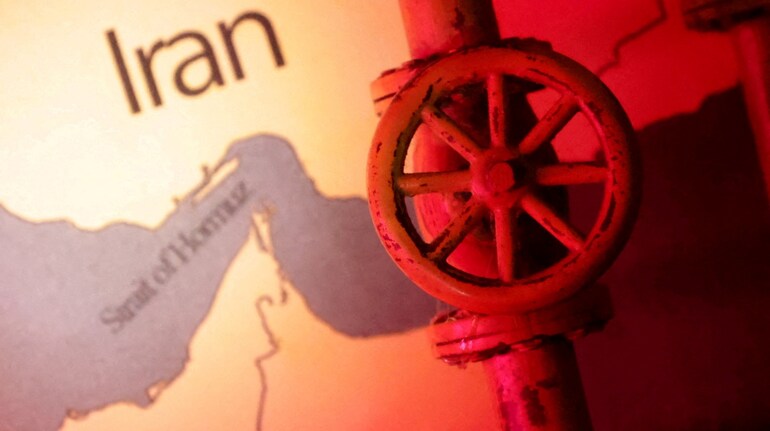
Concerns over shipping disruptions in the Strait of Hormuz have intensified since the escalation of the West Asia conflict.
The strait connects the Persian Gulf with the Arabian Sea and carries about 20 percent of global oil shipments each day, making it one of the world’s most important energy chokepoints.
For India, the world’s third-largest oil importer, nearly 40–50 percent of crude imports transit through the Strait of Hormuz, making the route critical for the country’s energy supply chains.
Discover the latest Business News, Sensex, and Nifty updates. Obtain Personal Finance insights, tax queries, and expert opinions on Moneycontrol or download the Moneycontrol App to stay updated!
Find the best of Al News in one place, specially curated for you every weekend.
Stay on top of the latest tech trends and biggest startup news.