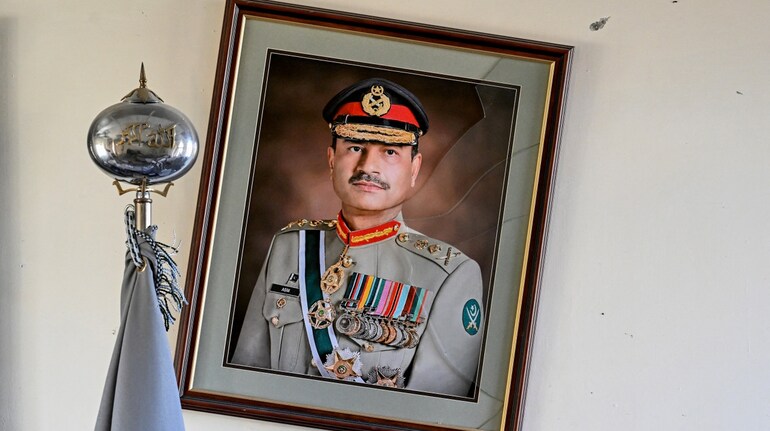

Pakistan’s military establishment, under Asim Munir, has been scrambling for strategic legitimacy since India’s May 2025 Operation Sindoor, which struck terror infrastructure in both Pakistan and Pakistan-occupied Kashmir. Rather than acknowledge military and policy failures, Islamabad has doubled down on nuclear saber-rattling and domestic power consolidation, raising fresh concerns about regional stability and Islamabad’s own judgment.
The conflict revealed that Pakistan’s deterrence posture was more brittle than its leaders admitted, prompting renewed criticism at home and abroad about the conduct of its armed forces and nuclear command structure.
Strategic overstretch and political posturing
Operation Sindoor marked a significant shift in India’s security response doctrine, focusing on punitive strikes against terrorist infrastructure rather than restraint. This move upended Pakistan’s long-standing reliance on nuclear brinkmanship to deter conventional action, exposing fundamental flaws in Islamabad’s strategic assumptions. Analysts note that the operation “marks a watershed in India’s national security doctrine” because it negated the effectiveness of Pakistan’s nuclear threat as a shield.
Despite this, Munir escalated rhetoric. Reports say he told foreign audiences that Pakistan, if threatened, would “take half the world down with us,” an extreme formulation of nuclear blackmail that drew stark condemnation. Indian officials labelled such remarks “nuclear sabre-rattling,” arguing they reflect Islamabad’s irresponsible handling of its arsenal.
Power consolidation and nuclear command
In response to strategic setbacks, Pakistan amended its constitutional framework to elevate Munir’s authority, granting him tighter control over both the armed forces and nuclear command. Previously, civilian oversight existed within Pakistan’s National Command Authority, but recent changes have shifted significant power toward the military, reducing institutional checks on nuclear decision-making. Experts warn this increases the risk of miscalculation in a crisis.
A country on the defensive
Rather than pursue de-escalation or strategic reform, Pakistan’s leadership has resorted to inward consolidation and external bluster. Munir’s statements, including veiled threats against economic installations and divisive metaphors about India’s prosperity, project a military establishment desperate to mask its vulnerabilities.
Regional analysts argue that this posture not only weakens Islamabad’s credibility but heightens instability in South Asia. With nuclear command more tightly held by an embattled army chief and conventional deterrence undermined, Pakistan’s strategic environment appears more volatile, leaving its citizens and neighbours at increased risk.
Discover the latest Business News, Sensex, and Nifty updates. Obtain Personal Finance insights, tax queries, and expert opinions on Moneycontrol or download the Moneycontrol App to stay updated!
Find the best of Al News in one place, specially curated for you every weekend.
Stay on top of the latest tech trends and biggest startup news.