







The escalating conflict involving Iran has triggered a dramatic surge in global oil prices, creating unexpected geopolitical consequences. While the war has disrupted energy supplies and rattled markets worldwide, it may also deliver an economic lifeline to Russia at a time when the Kremlin was facing growing financial pressure from sanctions and the cost of the Ukraine war.
For months, Washington had attempted to squeeze Russia’s energy revenues by targeting its oil exports. The strategy focused on weakening Moscow’s ability to fund its war in Ukraine by restricting buyers and imposing sanctions across the energy sector.
However, the new conflict in the Middle East has complicated those plans and may ultimately benefit the Kremlin.
Washington’s effort to choke Russia’s oil trade
Since Donald Trump returned to the White House, the United States has intensified efforts to reduce Russia’s energy earnings. Washington aimed to limit Moscow’s ability to finance its military campaign by shrinking the market for Russian oil.
Part of this strategy involved pressuring major buyers such as India and China. The US imposed steep tariffs on Indian exports and sanctioned two of Russia’s largest oil companies.
The approach appeared to be gaining traction as Russian revenues came under pressure. However, the sudden escalation in the Middle East altered the global energy landscape.
Iran war disrupts global energy markets
The conflict intensified after US and Israeli strikes targeted Iranian facilities. Tehran’s retaliation expanded the crisis and raised fears about shipping disruptions in the Persian Gulf.
The Strait of Hormuz, one of the world’s most important oil transit routes, saw traffic slow sharply, triggering panic across global energy markets.
After Iranian oil facilities were bombed, benchmark crude prices surged above $100 per barrel, reaching their highest level since the summer of 2022, when oil markets spiked following Russia’s full-scale invasion of Ukraine.
The surge in prices created an unexpected opportunity for Moscow.
Russia’s economic pressure before the oil surge
At the start of 2026, Russia was confronting a difficult economic outlook.
President Vladimir Putin faced a strategic choice. Moscow could either scale down its military campaign in Ukraine or continue the war while risking serious economic damage.
Russia’s federal budget for the year was based on an assumed oil price of $59 per barrel for Urals crude, the country’s main export blend.
But Western sanctions, high interest rates and labour shortages had already weakened Russia’s finances. In January, energy revenues fell to their lowest level since 2020, compounding disappointing tax collections.
Russian authorities were reportedly discussing spending cuts, tax increases and even the possibility of trimming military expenditure.
“The (Russian) government was facing tough choices and had to cut its spending and raise taxes and even consider some reduction in military expenditure,” Sergey Vakulenko, a senior fellow at the Carnegie Russia Eurasia Centre, told Politico.
Then the Middle East war dramatically changed the outlook.
A sudden financial lifeline for the Kremlin
Analysts say the timing could not have been more favourable for Moscow.
“Suddenly, Moscow received this gift. They had their lifeline,” Vladimir Milov, a former Russian deputy energy minister and Kremlin critic now in exile, told Politico.
According to Milov, Russian officials are currently “very, very happy.”
Higher oil prices significantly increase Moscow’s earnings because energy exports remain the backbone of the Russian economy.
Sanctions easing adds to Russia’s advantage
The crisis has also forced Washington to reconsider parts of its sanctions strategy.
Last week, the United States granted Indian refiners a 30 day waiver allowing them to purchase Russian oil currently stranded at sea. US Treasury Secretary Scott Bessent said the move was necessary “to enable oil to keep flowing into the global market.”
Bessent also suggested that Washington may ease additional Ukraine related sanctions on Russian oil if global supply shortages worsen.
Such measures could further boost Russia’s energy revenues.
Russian oil could regain pricing power
The tightening global supply situation may even allow Russian crude to command higher prices.
Since Western sanctions were imposed, Russian oil has often been sold at a discount. But the current supply crunch could reverse that trend as major buyers such as India and China rush to secure shipments with Washington’s temporary approval.
If demand continues to rise while supplies from the Middle East remain constrained, Russian oil could begin selling closer to international benchmark prices.
Kremlin turns crisis into opportunity
Russian officials have already begun positioning the country as a reliable alternative supplier.
“Russia was and continues to be a reliable supplier of both oil and gas,” Kremlin spokesperson Dmitry Peskov said on Friday, in remarks that sounded like a pitch to energy buyers.
He added that global demand for Russian energy had increased.
Kremlin officials have also taken to social media to emphasise Europe’s decision to cut Russian energy imports.
Kirill Dmitriev, a senior Kremlin aide, wrote on X that “the oil shock tsunami is just beginning.” He also described Europe’s move to reduce dependence on Russian energy as “a strategic mistake.”
Putin talks tough
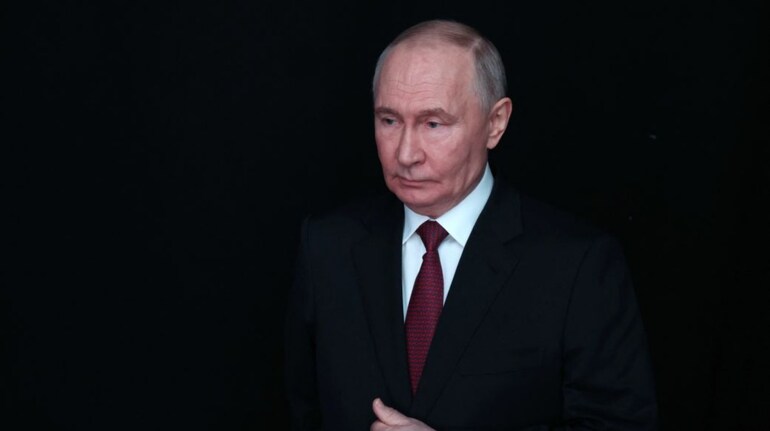
Putin on Monday warned of possible retaliation against Europe after reports that the European Union is preparing additional restrictions on Russian liquefied natural gas and energy supplies. Speaking about the proposed measures, he said Moscow may consider halting energy exports to the European market if restrictions are imposed.
According to Putin, the growing instability in energy markets is not limited to regional dynamics and could have wider economic repercussions.
“It affects the entire system of international economic relations,” he added.
He said Moscow will continue to supply energy resources to countries that are “reliable partners”.
“We will continue to supply energy resources to countries that are reliable partners. Russian companies need to take advantage of the current situation,” said Putin.
A geopolitical twist in the energy war
The evolving situation highlights how global conflicts can rapidly reshape the balance of economic power.
Washington’s strategy aimed to isolate Russia’s energy sector and weaken its ability to fund the Ukraine war. Yet the eruption of a separate conflict in the Middle East has pushed oil prices higher and created new demand for Russian exports.
As a result, the Kremlin may find itself benefiting financially from a geopolitical crisis far from its own battlefield.
Discover the latest Business News, Sensex, and Nifty updates. Obtain Personal Finance insights, tax queries, and expert opinions on Moneycontrol or download the Moneycontrol App to stay updated!
Find the best of Al News in one place, specially curated for you every weekend.
Stay on top of the latest tech trends and biggest startup news.





