






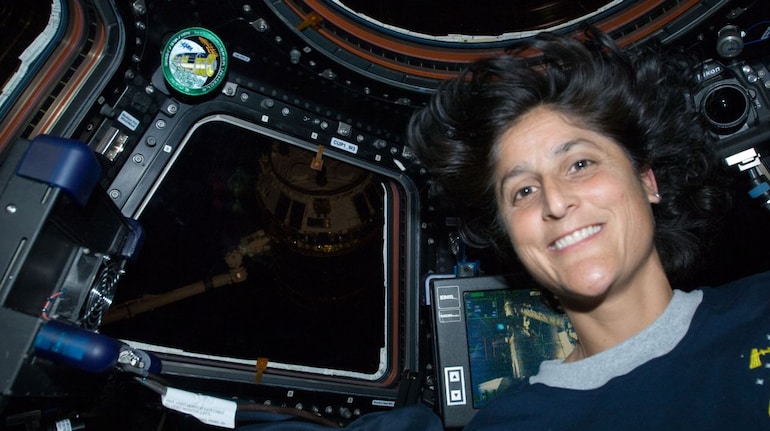

NASA has formally classified the troubled 2024 Boeing Starliner mission as one of its most serious categories of failure, a designation that reflects not damage or injury, but the scale of risk involved. The decision comes after astronauts Sunita Williams and Butch Wilmore were unable to return to Earth as planned and remained aboard the International Space Station for about nine months longer than expected.
The mission has been labelled a “Type A mishap” by NASA, a category reserved for incidents involving loss of a spacecraft, fatalities, or damage exceeding USD 2 million. In this case, NASA stressed that while there were no injuries, the classification recognises the potential for a much more serious outcome.
The problem began during Starliner’s first crewed test flight, a long-delayed milestone for Boeing. After docking successfully with the space station, engineers identified multiple technical issues, including helium leaks and concerns about the spacecraft’s thrusters. As testing continued, NASA and Boeing concluded that the vehicle could not safely bring the astronauts home.
Instead of risking a return in Starliner, NASA decided to leave Williams and Wilmore aboard the station and plan their return on a different spacecraft. Starliner eventually returned to Earth uncrewed, landing safely, but the episode raised serious questions about the reliability of Boeing’s capsule and the oversight of its development.
NASA officials have said the mishap classification is not about assigning blame but about acknowledging how close the mission came to a far worse scenario. In internal briefings, the agency noted that prolonged uncertainty over crew return options and reliance on backup plans placed unusual strain on mission planning and crew safety margins.
For Boeing, the decision is another setback in a program that was meant to provide NASA with a second US-built crew transport option alongside SpaceX. Starliner has suffered years of delays, cost overruns, and technical fixes. The mishap designation is likely to intensify scrutiny of Boeing’s engineering processes and NASA’s decision-making under the Commercial Crew Program.
Williams and Wilmore continued their normal duties aboard the space station during the extended stay, conducting experiments and maintenance work. NASA has emphasised that extended missions are not uncommon and that both
astronauts were trained for long-duration flights. Still, the agency acknowledged that the situation was not what planners intended when the mission launched.
NASA says a full internal review is underway, focusing on how risks were assessed, how technical problems were communicated, and whether warning signs were missed earlier. The findings are expected to shape future decisions on Starliner flights and crewed missions more broadly.
The episode has become a reminder that even in an era of routine spaceflight, human missions still carry real risk, and that avoiding disaster does not mean a mission went according to plan.
Discover the latest Business News, Sensex, and Nifty updates. Obtain Personal Finance insights, tax queries, and expert opinions on Moneycontrol or download the Moneycontrol App to stay updated!
Find the best of Al News in one place, specially curated for you every weekend.
Stay on top of the latest tech trends and biggest startup news.





