






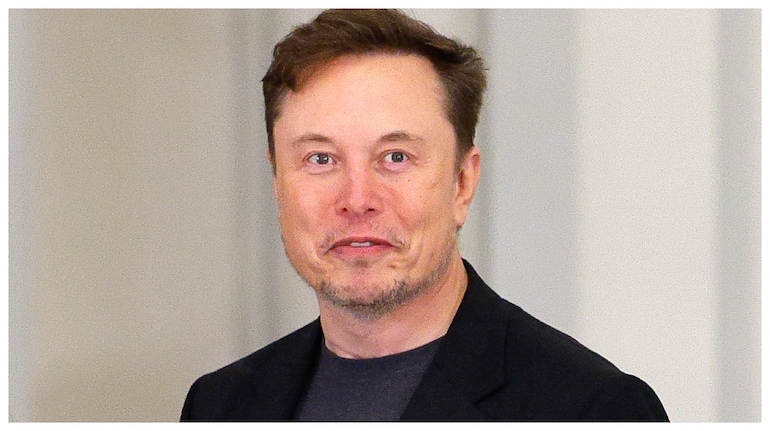

Elon Musk has asked a US court to award damages of up to $134 billion in his lawsuit against OpenAI and Microsoft, according to recent court filings. The claim puts a precise number on a dispute that has been simmering for months and is set to go to trial in April.
Musk, one of OpenAI’s co-founders, alleges that the organisation abandoned its original mission of developing artificial intelligence for the public good when it shifted towards a for-profit structure and entered into a deep commercial partnership with Microsoft. He argues that these moves breached founding agreements and effectively shut him out of the direction OpenAI eventually took.
Court documents show Musk is seeking damages in a wide range, from $79 billion to $134 billion, reflecting what his lawyers argue is the value created by OpenAI after it moved away from its original non-profit model. The sums involved make this one of the most financially significant cases ever linked to the AI industry.
OpenAI was founded in 2015 as a non-profit research lab, with Musk among its early backers. In later years, it created a capped-profit arm to raise the capital needed to build large-scale AI systems. Microsoft became its most important partner and investor, providing funding and access to computing power, while integrating OpenAI’s models into its own products.
Musk’s lawsuit claims that this transition fundamentally changed the nature of OpenAI. He argues that the company prioritised commercial success over its original mission and that Microsoft emerged as the primary beneficiary of that shift. In his filings, Musk describes the partnership as giving Microsoft effective control over OpenAI’s most valuable technology.
OpenAI and Microsoft have both rejected the allegations. OpenAI has said its structure was designed to balance safety, research and the need for capital, and that its mission has not changed. Microsoft has said it is a commercial partner, not an owner, and that OpenAI operates independently.
Legal experts say the case will test how courts interpret the obligations of organisations that begin as mission-driven entities and later adopt hybrid or for-profit models. It could also have wider implications for how AI research groups structure partnerships with large technology firms.
The trial is expected to begin in April, with close attention from the tech industry, investors and policymakers. Beyond the eye-catching numbers, the outcome could influence how future AI ventures balance ideals, control and commercial pressure in a rapidly growing sector.
Discover the latest Business News, Sensex, and Nifty updates. Obtain Personal Finance insights, tax queries, and expert opinions on Moneycontrol or download the Moneycontrol App to stay updated!
Find the best of Al News in one place, specially curated for you every weekend.
Stay on top of the latest tech trends and biggest startup news.





