






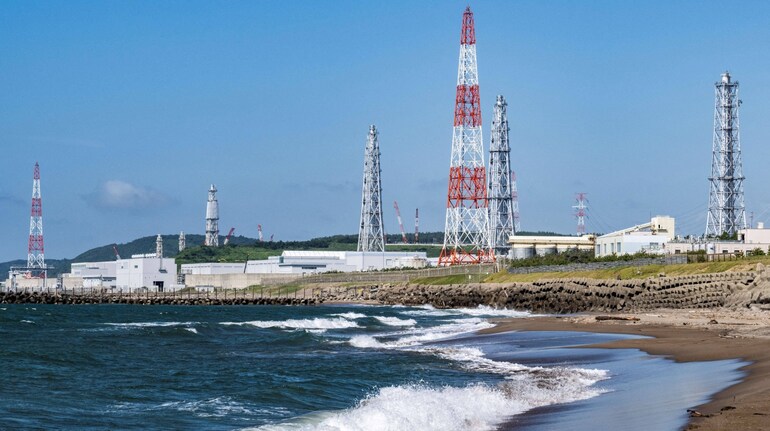
Japan has moved closer to restarting the Kashiwazaki-Kariwa Nuclear Power Plant, the largest nuclear facility in the world, after a key political hurdle was cleared in Niigata Prefecture. The decision marks a major shift in a country that sharply curtailed nuclear power after the 2011 Fukushima disaster.
On Monday, Niigata’s prefectural assembly passed a vote of confidence in Governor Hideyo Hanazumi, who last month signalled his support for resuming operations at the plant. The vote effectively removed the final regional barrier to a restart that has been debated for years.
“This is a milestone, but it is not the end,” Hanazumi told reporters, adding that safety checks and oversight would continue to guide the process.
The Kashiwazaki-Kariwa plant lies about 220 kilometres northwest of Tokyo and has been offline since the Fukushima Daiichi nuclear accident, which followed a massive earthquake and tsunami in March 2011. In the aftermath, Japan shut down all 54 of its reactors. Since then, only 14 of the 33 reactors later judged operable have been restarted.
The facility is operated by Tokyo Electric Power Company, the same utility that ran the Fukushima Daiichi plant. If approved, Kashiwazaki-Kariwa would become the first nuclear station operated by TEPCO to resume operations since the disaster.
Japan’s public broadcaster NHK reported that TEPCO is considering restarting one of the plant’s seven reactors as early as January 20. The full complex has a combined capacity of 8.2 gigawatts, enough to power several million homes. The initial restart would involve a 1.36 gigawatt unit, with another reactor of similar size planned around 2030.
TEPCO has said it remains committed to strict safety standards and preventing any repeat of past accidents.
Despite the political clearance, opposition at the local level remains strong. Around 300 protesters gathered outside the Niigata assembly building, carrying placards reading “No Nukes” and “Never Forget Fukushima.” One assembly member critical of the move described the decision as a “political settlement” that did not reflect public concerns.
A prefectural survey released in October showed that about 60 percent of residents believed conditions for a restart had not been met, while nearly 70 percent expressed worries about TEPCO’s ability to safely manage the plant. Skepticism is particularly strong among people displaced by the Fukushima disaster who later settled in Niigata.
TEPCO has pledged to invest 100 billion yen in the prefecture over the next decade to win local support, but doubts persist.
At the national level, the restart fits into a broader energy push backed by Prime Minister Sanae Takaichi. Her government argues that reviving nuclear power is essential to reduce Japan’s heavy reliance on imported fossil fuels, which currently account for 60 to 70 percent of electricity generation.
According to Reuters, Japan’s trade ministry estimates that restarting even one reactor at Kashiwazaki-Kariwa could raise electricity supply to the Tokyo region by around 2 percent.
Japan plans to double nuclear energy’s share of its power mix to 20 percent by 2040 to meet rising demand and climate goals. Analysts say public acceptance of Kashiwazaki-Kariwa’s return will be a key test of whether that ambition can be achieved.
Discover the latest Business News, Sensex, and Nifty updates. Obtain Personal Finance insights, tax queries, and expert opinions on Moneycontrol or download the Moneycontrol App to stay updated!
Find the best of Al News in one place, specially curated for you every weekend.
Stay on top of the latest tech trends and biggest startup news.




