






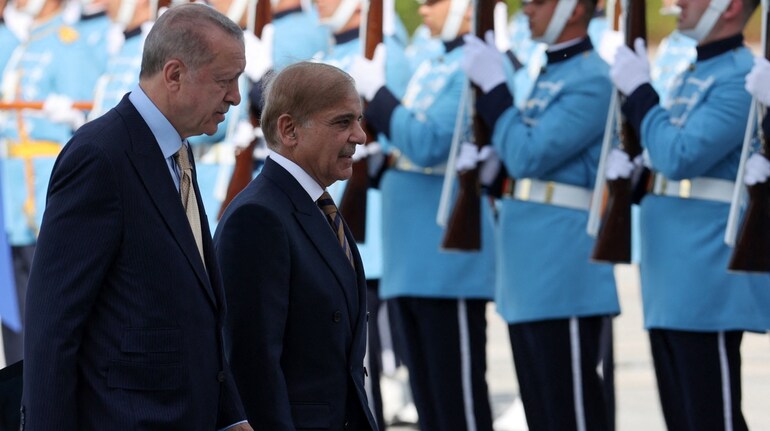

Turkey has stepped away from its mediation role in the deteriorating Pakistan-Afghanistan relationship, dealing a fresh diplomatic blow to Islamabad after months of failed outreach and rising tensions. According to top security and diplomatic sources cited by CNN-News18, Ankara has formally informed Pakistan that further mediation is unlikely to yield results, as Kabul remains unwilling to accept Pakistan’s core demands and views its approach as coercive.
Multiple rounds of talks facilitated by Turkey, along with Qatar and Saudi Arabia, failed to bridge the gap between Islamabad and the Afghan Taliban. Afghan authorities made it clear during these engagements that Pakistan’s conditions left no room for a mutually acceptable settlement. Turkish officials subsequently conveyed to Islamabad that Afghanistan was not prepared to accommodate Pakistan’s security driven demands, prompting Turkey to withdraw from the mediation process, sources told CNN-News18.
At the heart of the deadlock are Pakistan’s sweeping demands. These include the handover of hardcore Tehreek-e-Taliban Pakistan militants, the creation of a five-kilometer buffer zone along the Durand Line, strict scrutiny of Afghan transit trade and goods movement, recognition of Pakistan’s security primacy over Kabul, and the immediate repatriation of Afghan refugees from Pakistan. Afghan authorities have categorically rejected these demands, arguing that they undermine Afghanistan’s sovereignty, according to sources quoted by CNN-News18.
Sources familiar with the talks said that the Afghan Taliban conveyed to Turkey, Qatar and Saudi Arabia that Kabul could not accept pressure-driven arrangements. Despite sustained diplomatic backing from Ankara, Pakistan failed to secure any written guarantees from the Afghan side during the mediation process, underlining the lack of trust and progress.
Diplomatic fault lines have also surfaced among the mediators. Senior Pakistani diplomats have conveyed growing distrust toward Qatar, alleging that Doha has increasingly leaned towards the Afghan Taliban’s position, sources said. Saudi Arabia is now being viewed by Islamabad as the last viable channel for dialogue and de-escalation between the two neighbours, according to officials cited by CNN-News18.
Instead of recalibrating its approach, Pakistan has hardened its stance. Security sources told CNN-News18 that Islamabad has communicated to Turkish officials in Istanbul that any major terrorist attack originating from Afghan soil and targeting Pakistan would be treated as Kabul’s responsibility. Pakistan has reiterated its intent to protect its citizens, sovereignty and national interests "by all means necessary."
According to top security sources cited by CNN-News18, Islamabad has also issued a blunt warning that if cross-border terrorism is not halted, Pakistan is prepared to carry out strikes inside Afghanistan. The threat marks a sharp escalation in rhetoric and signals a shift away from diplomacy towards the use of force.
For Kabul, Pakistan’s posture reinforces long-standing accusations of intimidation and double standards. Afghan officials argue that Islamabad seeks compliance rather than cooperation, while refusing to acknowledge Afghanistan as a sovereign equal.
Turkey’s withdrawal has left Pakistan increasingly isolated, with fewer diplomatic options and shrinking mediation support. As channels close and rhetoric intensifies, the situation points to a dangerous phase in Pakistan-Afghanistan ties, driven largely by Islamabad’s uncompromising demands and escalating threats.
Discover the latest Business News, Sensex, and Nifty updates. Obtain Personal Finance insights, tax queries, and expert opinions on Moneycontrol or download the Moneycontrol App to stay updated!
Find the best of Al News in one place, specially curated for you every weekend.
Stay on top of the latest tech trends and biggest startup news.





