






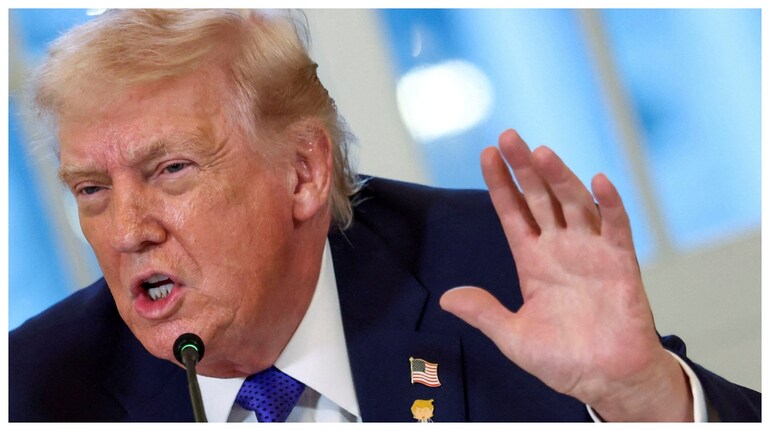

There was an assumption, even among some of his critics, that Donald Trump would enter a quieter phase in his second term. That expectation has not lasted long.
Instead of easing off, Trump has used the opening weeks of 2026 to reassert control, settle scores, and push US power in ways that have startled allies and opponents alike. If anything, the pace has quickened, CNN has reported.
Venezuela and the return of hard power
The most dramatic move has been in Venezuela. The removal of Nicolás Maduro and Trump’s declaration that the US will oversee the country’s oil exports mark one of the most interventionist American actions in the region in decades.
Trump has framed the move as necessary to restore order and revive Venezuela’s economy. Critics see something else: a revival of old-style imperial thinking, where control over resources is openly claimed rather than quietly negotiated.
The fact that Trump has shown little interest in outlining a democratic transition for Venezuela has only deepened those concerns.
Greenland and uneasy allies
Trump has also revived his long-standing demand that the US acquire Greenland. What once sounded like a provocation is now being discussed more seriously inside his administration.
European governments are watching closely. An attempt to force the issue would strain NATO in ways few imagined, especially since it would involve pressure on a fellow member state.
A direct clash with the Federal Reserve
At home, tensions with the US Federal Reserve have escalated. Federal Reserve Chair Jerome Powell has said that federal prosecutors are investigating the central bank’s headquarters renovation and has suggested the probe is politically driven.
Trump has made no secret of his anger at Powell for refusing to cut interest rates as aggressively as the White House wants. Critics warn that using investigative pressure against the Fed risks damaging the independence that underpins confidence in the US economy.
Iran and the danger of miscalculation
Another fault line runs through Iran, where protests have spread despite violent crackdowns. Trump has warned that the US could intervene militarily if repression continues.
The risks are obvious. American action could provoke retaliation against US forces and allies and deepen regional instability. Even supporters of a tougher line admit that Washington’s ability to shape events inside Iran is limited.
Immigration and internal strain
Trump’s hard line on immigration has also intensified. Following the killing of a woman during an ICE operation in Minneapolis, the administration has refused to slow enforcement efforts.
Local leaders and federal officials have offered sharply different accounts of what happened. The episode has become another flashpoint in an already bitter national debate over policing, power and accountability.
A presidency built on pressure
Across issues, a pattern is emerging. Trump’s instinct is not to accommodate constraints but to challenge them, whether they come from courts, allies, institutions or long-standing norms.
Supporters see strength and clarity. Critics see recklessness and a willingness to absorb high risks with unclear exit plans.
The question ahead
Trump has made it clear that his power is not ebbing. The more difficult question is whether this approach can be sustained without triggering economic shocks, deeper domestic divisions or wider conflicts abroad.
The answer may define not just this presidency, but the global environment it leaves behind.
Discover the latest Business News, Sensex, and Nifty updates. Obtain Personal Finance insights, tax queries, and expert opinions on Moneycontrol or download the Moneycontrol App to stay updated!
Find the best of Al News in one place, specially curated for you every weekend.
Stay on top of the latest tech trends and biggest startup news.





