






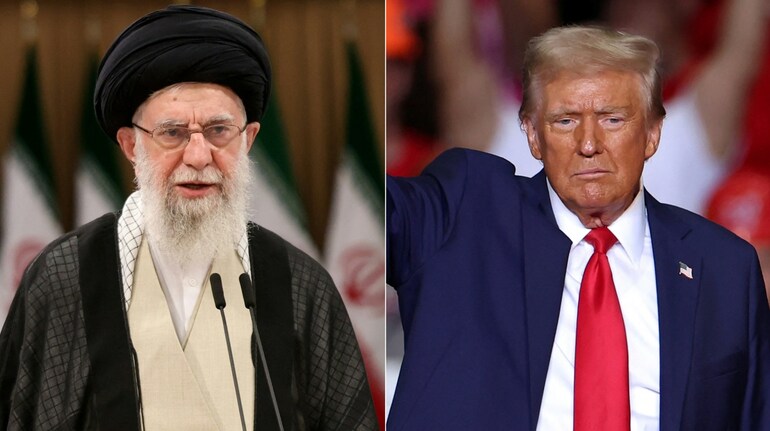

Iran has indicated it could show flexibility in negotiations with Washington over its nuclear programme, provided sanctions relief is seriously discussed. Majid Takht-Ravanchi, Iran’s deputy foreign minister, told the BBC that Tehran is open to compromise if the United States demonstrates genuine intent.
“The ball was ‘in America’s court to prove that they want to do a deal’,” he said. “If they are sincere, I’m sure we will be on the road to an agreement.”
Diplomacy under watch
The renewed signals come as both sides prepare for another round of discussions. According to CNN, US and Iranian representatives are likely to meet on Tuesday in Geneva, Switzerland. US special envoys Steve Witkoff and Jared Kushner are expected to participate.
President Donald Trump has underscored the urgency of striking an agreement. Addressing reporters, he cautioned that failing to reach a settlement could be “traumatic”. Referring to his recent engagement with Israeli Prime Minister Benjamin Netanyahu, Trump said, “We have to make a deal, otherwise it is going to be very traumatic (for Iran) and I don’t want it to happen… If they don’t make a deal, it is going to be a different story. We had a very good meeting yesterday with Israeli Prime Minister Benjamin Netanyahu.”
Washington’s position
Even as diplomatic channels remain active, the US administration has reiterated its red lines. Secretary of State Marco Rubio stated unequivocally that Tehran would not be allowed to obtain nuclear arms.
“Iran will never be allowed to have a nuclear weapon. That’s pretty clear,” Rubio said, repeating Washington’s long-held stance that a nuclear-capable Iran would endanger regional and global stability.
Rubio also pointed to Tehran’s past conduct, noting that American troops remain stationed in the region because Iran has previously shown a readiness to target US interests. His comments come amid reports that the US is reinforcing its military presence in West Asia, including the possible deployment of a second aircraft carrier.
Background and breakdown
The diplomatic push revives efforts linked to the 2015 Joint Comprehensive Plan of Action (JCPOA), concluded in July that year between Iran and major world powers, including the United States. The accord limited Iran’s uranium enrichment to 3.67 per cent and reduced its stockpile to 300 kilograms.
The arrangement unravelled in 2018 after President Trump withdrew the US from the agreement, effectively derailing the framework.
Earlier this year, talks were held in April 2025 in Muscat, Oman, and Rome, Italy. However, tensions escalated sharply in June. On June 21-22, 2025, the United States launched strikes under ‘Operation Midnight Hammer’, hitting nuclear facilities in Fordow, Natanz, and Isfahan. Tehran condemned the attacks, calling them a clear breach of international law and the UN Charter.
Separately, Russia’s TASS news agency reported that Kremlin spokesman Dmitry Peskov said trilateral discussions involving Ukraine, Russia, and the US are scheduled in Geneva on February 17-18, adding to the diplomatic activity unfolding in Switzerland.

Discover the latest Business News, Sensex, and Nifty updates. Obtain Personal Finance insights, tax queries, and expert opinions on Moneycontrol or download the Moneycontrol App to stay updated!
Find the best of Al News in one place, specially curated for you every weekend.
Stay on top of the latest tech trends and biggest startup news.





