
India has taken a firm and uncompromising stand against Pakistan’s latest legal manoeuvre on the Indus Waters Treaty, rejecting the authority of the Permanent Court of Arbitration in The Hague and calling its proceedings illegitimate and non-binding. As hearings continue in the Netherlands, New Delhi has made it clear that it will not allow international forums to be weaponised by Islamabad to undermine India’s sovereignty or whitewash Pakistan’s record on cross-border terrorism.
Indian officials view the arbitration push as a calculated attempt by Pakistan to internationalise a bilateral issue and distract attention from its continued support for terror networks targeting India. The government has now drawn a red line, linking water cooperation directly to national security and making it clear that treaties cannot survive sustained terror provocations.
India rejects Hague tribunal authority
The latest flashpoint came after the Hague-based tribunal issued a directive seeking sensitive operational data and logbooks related to India’s Kishanganga and Ratle hydroelectric projects in Jammu and Kashmir. India rejected the demand outright, refusing to recognise the tribunal’s jurisdiction.
Top government sources told CNN-News18 that the Ministry of External Affairs has formally informed the tribunal that India will neither comply with its directions nor participate in its proceedings. New Delhi has maintained that the Court of Arbitration was illegally constituted, especially when a neutral expert process, supported by India, was already underway. Officials argue that this parallel mechanism amounts to a brazen violation of the treaty’s dispute resolution framework.
Treaty put in abeyance after terror attack
India’s position is rooted in the changed security environment following the April 2025 Pahalgam terror attack. In response, New Delhi exercised its sovereign rights under international law to place the Indus Waters Treaty in abeyance.
“Until fundamental security concerns are addressed and Pakistan credibly abjures its support for cross-border terrorism, India is not bound to perform any treaty obligations, including the sharing of hydrological data or participation in arbitration,” a senior government source told CNN-News18.
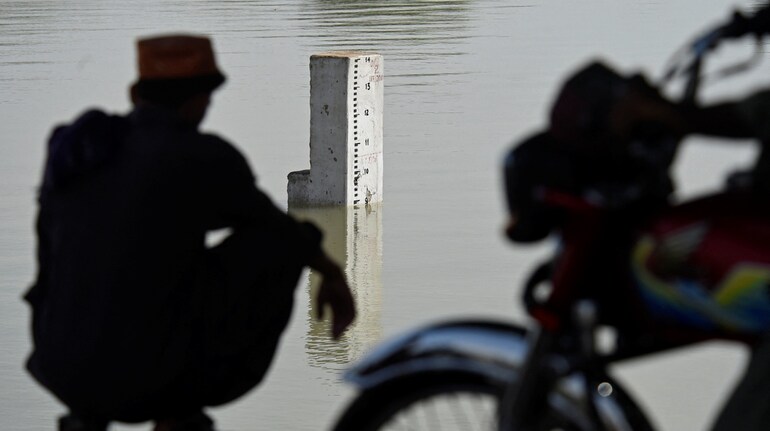
By suspending mandatory data sharing, including river flow information and flood warnings, India has made it clear that cooperation cannot continue while terrorism persists.
Pakistan’s legal push dismissed
Pakistan, which first raised objections to India’s hydropower projects in 2015, has portrayed the arbitration proceedings as a diplomatic win. India has dismissed this narrative, calling the Hague process a charade orchestrated at Pakistan’s behest to deflect scrutiny from its role as a hub of terrorism.
For New Delhi, the dispute is no longer technical or procedural. It is a clear test of sovereignty. Indian officials have underlined that no international body has the authority to sit in judgment over India’s actions on its own territory, particularly when treaty obligations remain suspended due to sustained security provocations by Pakistan.
Discover the latest Business News, Sensex, and Nifty updates. Obtain Personal Finance insights, tax queries, and expert opinions on Moneycontrol or download the Moneycontrol App to stay updated!
Find the best of Al News in one place, specially curated for you every weekend.
Stay on top of the latest tech trends and biggest startup news.