






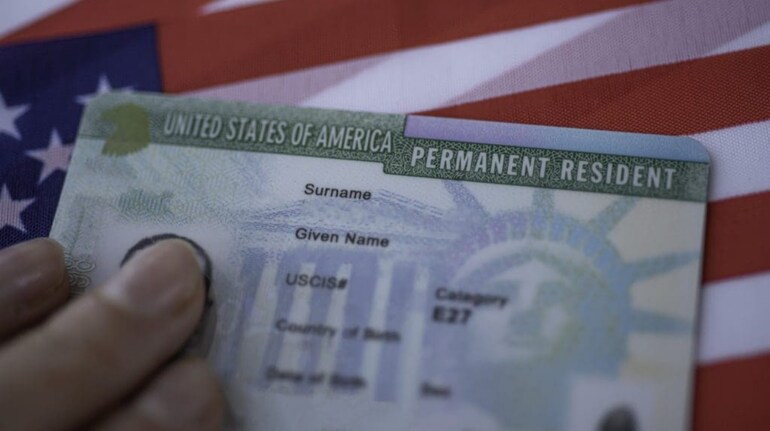

The US Small Business Administration (SBA) has announced a major policy shift that will prevent non-US citizens, including legal permanent residents (green card holders), from accessing SBA-backed business loans.
The revised rules were issued on February 2, 2026, and will take effect from March 1, 2026. The change significantly tightens ownership and eligibility requirements under the agency’s key lending programmes and aligns with President Donald Trump’s “America First” economic agenda.
In a policy notice released on Monday (US time), the SBA said the changes reinforce its mission of supporting “Americans in starting, building, and growing businesses.” The updated framework sharply limits participation by non-citizens in federally supported small business financing.
The move is among the most far-reaching eligibility revisions in recent years and is expected to have a significant impact on immigrant-owned businesses across the United States.
What are SBA-backed business loans?
SBA-backed loans are government-guaranteed financing programmes designed to help small businesses access credit on favourable terms through approved lenders. While the SBA does not directly issue the loans, it guarantees a portion of them, reducing risk for banks and lenders.
Under the new rules, the SBA has amended its Standard Operating Procedure (SOP) 50 10 8, which governs lender and development company loan programmes. The updated guidance comes into force on March 1, 2026.
What has changed under the new SBA rules?
Under the revised SOP 50 10 8, the SBA now requires 100% ownership of any loan applicant to be held by US citizens or US nationals who reside in the United States or its territories.
The new guidance explicitly excludes legal permanent residents (LPRs) from holding any ownership stake in a business seeking SBA financing. This marks a reversal of earlier provisions that allowed limited foreign ownership.
A December 2025 procedural notice had permitted up to 5% ownership by foreign nationals or green card holders under specific conditions. That exception has now been withdrawn entirely, making LPRs ineligible to own stakes in SBA loan applicants, operating companies, or eligible passive companies.
“SBA is requiring that 100% of all direct and/or indirect owners of a small business applicant be US Citizens or US Nationals who have their Principal Residence in the US, its territories, or possessions,” stated US SBA Administrator Kelly Loeffler in the policy announcement.
The latest notice also nullifies the earlier Procedural Notice 5000-872050, which outlined previous citizenship and residency criteria for applicants.
Policy shift amid Trump administration immigration push
The revision comes as the Trump administration continues to emphasise strict immigration policies and expanded deportation efforts. The SBA’s updated loan eligibility rules are being viewed as part of a broader effort to prioritise US citizens across federal economic programmes.
Will Indians be impacted?
Indian immigrants are expected to be among the most affected groups due to their significant presence in US small business ownership. India remains one of the largest sources of migrants globally, and Indian-origin entrepreneurs play a major role in the American economy.
India was the second-largest source of green card holders in FY 2024, and Indian-owned businesses are especially prominent in hospitality, retail, logistics and technology services.
Industry data highlights the potential scale of the impact:
Discover the latest Business News, Sensex, and Nifty updates. Obtain Personal Finance insights, tax queries, and expert opinions on Moneycontrol or download the Moneycontrol App to stay updated!
Find the best of Al News in one place, specially curated for you every weekend.
Stay on top of the latest tech trends and biggest startup news.





