






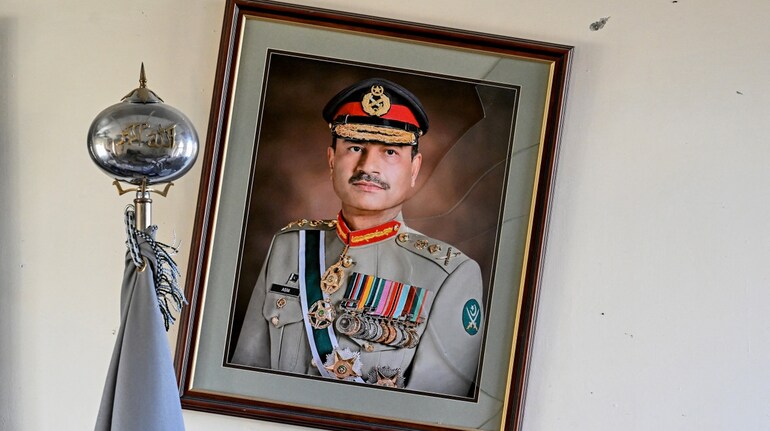

As tensions around Iran briefly eased after Tehran said it would not execute detained protesters, uncertainty over US military action has continued to ripple across the region. While oil markets calmed and Donald Trump said he would “watch it and see” on possible strikes, one neighbour appears deeply unnerved by the prospect of escalation: Pakistan.
According to CNN-News18, Pakistan Army chief Field Marshal Asim Munir convened a high-level meeting of senior commanders and intelligence officials on Wednesday to assess fallout from any US intervention in Iran. The discussion reportedly followed days of aggressive rhetoric from Trump, who had openly threatened military action if Iran continued executing protesters.
The timing exposed Islamabad’s anxiety. Iran has already been battered by Israeli and US strikes, and even the threat of another offensive is enough to destabilise the region. For Pakistan, the danger is not abstract. With its western border with Afghanistan already volatile, officials warned that Pakistan could not afford fresh turbulence along its long and sensitive frontier with Iran.
Sources told CNN-News18 that one of Munir’s biggest fears is that Washington could seek access to Pakistani airspace or military facilities if it launches strikes on Iran. Such a request would place Pakistan in an awkward bind. Rejecting it could anger Trump and jeopardise the recently improved US-Pakistan relationship. Agreeing to it could trigger domestic unrest and inflame opinion across the Islamic world.
Pakistan’s internal fault lines loom large in Munir’s calculations. Around 20 percent of the country’s population is Shia, and Iran is a Shia majority state. Sources said Munir is worried that a US attack on Iran, especially one facilitated by Pakistan, could spark protests and sectarian tension at home. Pakistan is already struggling with rising violence, with 2025 described as the deadliest year in a decade.
Officials also fear secondary shocks. Any strike or regime change scenario in Iran could push refugees toward Pakistan and strain security along the border. According to the report, intelligence assessments suggest Munir has directed commanders and the ISI to remain on high alert and monitor developments closely.
Munir has also asked the ISI chief to intensify contacts with Iran, Turkey, Qatar, Saudi Arabia, the UAE, and the United States in an effort to gauge intentions and explore de-escalation. CNN-News18 reported that Pakistan has joined Saudi Arabia, Qatar, and Turkey in warning the Trump administration that attacking Iran could destabilise the entire region.
The contrast is stark. Even as Trump claims to have assurances from “very important sources on the other side” that executions in Iran have stopped, Pakistan’s military leadership appears gripped by fear of what Washington might do next. Munir’s hurried consultations underline an uncomfortable truth for Islamabad: despite months of outreach and warmer ties with Trump, Pakistan remains a nervous bystander, bracing for consequences it cannot control.
Discover the latest Business News, Sensex, and Nifty updates. Obtain Personal Finance insights, tax queries, and expert opinions on Moneycontrol or download the Moneycontrol App to stay updated!
Find the best of Al News in one place, specially curated for you every weekend.
Stay on top of the latest tech trends and biggest startup news.





