






For years, Australia has looked on as the United States endured mass shooting after mass shooting, often followed by calls for reform that led nowhere. Most Australians believed their own country had solved this problem decades ago, after the 1996 Port Arthur massacre triggered sweeping gun reforms and a national buyback.
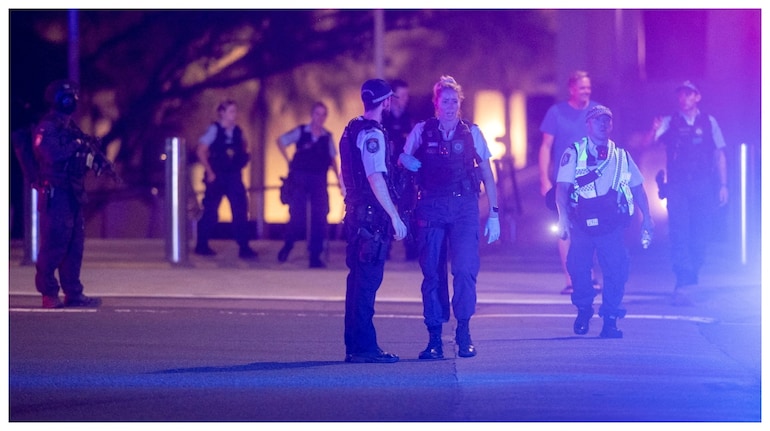
That confidence was badly shaken by Sunday’s mass shooting at Bondi Beach, where two gunmen opened fire during a Hanukkah gathering, killing at least 15 people and wounding many others. The attack has forced a rare national reckoning with whether Australia’s gun laws, among the world’s strictest, have been allowed to weaken through complacency, the New York Times reported.
Why this shooting feels different in Australia
After Port Arthur, Australia went more than two decades without a mass shooting of this scale. Automatic and semiautomatic weapons were effectively banned, firearm registration became mandatory, and gun ownership was restricted to tightly defined purposes that excluded self-defence.
The Bondi shooting disrupted that narrative. It exposed how the number of licensed firearms has steadily increased over time, how some reforms promised years ago were never fully implemented, and how oversight may have loosened in a country that believed the problem had been permanently solved.
“I think there was a real perception that gun control was something we fixed in the 90s, and we’ve patted ourselves on the back ever since,” said Rod Campbell of the Australia Institute.
Political response was swift and bipartisan
Within 48 hours of the attack, federal and state leaders pledged to further tighten gun laws. Proposals under discussion include capping the number of firearms an individual can own, further restricting the types of guns that can be legally licensed, and making Australian citizenship a requirement for gun ownership.
Prime Minister Anthony Albanese invoked the response to Port Arthur, calling it a “proud moment of reform” and signalling that similar urgency was needed again. “If we need to toughen these up, if there’s anything we can do, I’m certainly up for it,” he said.
For many Australians, the speed and clarity of the response stood in contrast to the familiar cycle of “thoughts and prayers” that often follows mass shootings elsewhere.
What is known about the suspects and weapons
Authorities have not publicly detailed the exact firearms used in the Bondi attack. Witnesses described sustained, powerful gunfire lasting at least 10 minutes, louder than the handgun fire used by police officers who eventually intervened.
Police said the older suspect, 50-year-old Sajid Akram, had applied for a firearms licence for sports and target shooting in 2020, which was granted in 2023 after an earlier application lapsed for technical reasons. His son, Naveed Akram, had been investigated in 2019 over associations with individuals later convicted of terrorism, though authorities concluded at the time that he did not pose an imminent threat.
Sajid Akram was killed by police at the scene. His son remains hospitalised.
One proposed reform now under consideration is the use of criminal intelligence, not just formal criminal records, when assessing licence applications.
Revisiting the legacy of Port Arthur
John Howard, the conservative prime minister who led Australia at the time of Port Arthur, said the 1996 reforms had unquestionably saved lives. He argued that if automatic and semiautomatic weapons had remained legal, the death toll at Bondi would likely have been far higher.
Those reforms did more than change the law. They reshaped Australia’s cultural relationship with guns, turning ownership into a regulated privilege tied to specific needs, such as farming or pest control, rather than a right.
Dissent exists, but remains limited
Not everyone supports tougher laws. Some hunting groups and the Shooters, Fishers and Farmers Party argue the attack exposed failures in licensing enforcement rather than flaws in the laws themselves. Others warned against conflating gun policy with broader debates about extremism and antisemitism.
Still, one argument common in the United States has been notably absent: the idea that armed civilians could have stopped the attack. In Australia, public debate remains centred on prevention and restriction, not expanded access.
As Australia confronts the first mass shooting of this scale in decades, the political consensus suggests that the country’s instinct remains the same as it was in 1996: when gaps appear in gun control, tighten them.
Discover the latest Business News, Sensex, and Nifty updates. Obtain Personal Finance insights, tax queries, and expert opinions on Moneycontrol or download the Moneycontrol App to stay updated!
Find the best of Al News in one place, specially curated for you every weekend.
Stay on top of the latest tech trends and biggest startup news.




