







2026 is shaping up to be the year travellers stop postponing meaningful journeys and start prioritising places that offer depth, heritage and genuine cultural immersion. After years of checklist tourism and crowded photo hotspots, a new question is guiding travel decisions: where can you experience Japan’s timeless beauty without battling overwhelming crowds?
According to travel insurance specialist InsureandGo, one destination quietly rising on 2026 bucket lists is Kanazawa — a historic coastal city that delivers refined tradition, striking design and a calmer, more intimate rhythm than Japan’s busiest hubs.
Often referred to as “Little Kyoto,” Kanazawa stands firmly on its own as a cultural powerhouse. The city is known for its beautifully preserved samurai neighbourhoods, atmospheric geisha teahouse quarters, one of Japan’s most celebrated landscape gardens and a contemporary art scene that continues to surprise first-time visitors.
Why Kanazawa stands out in Japan
With a population of approximately 463,000, Kanazawa is the largest city in Ishikawa Prefecture. Unlike many Japanese cities that suffered heavy wartime damage, much of Kanazawa’s historic fabric survived, allowing entire districts to retain their Edo-period layout and character.
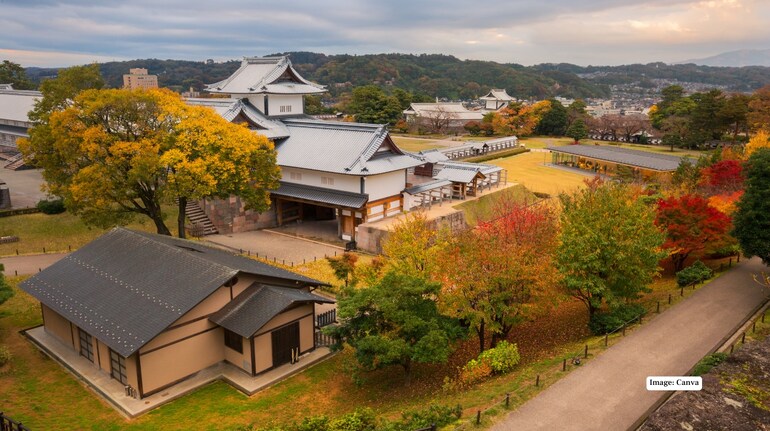
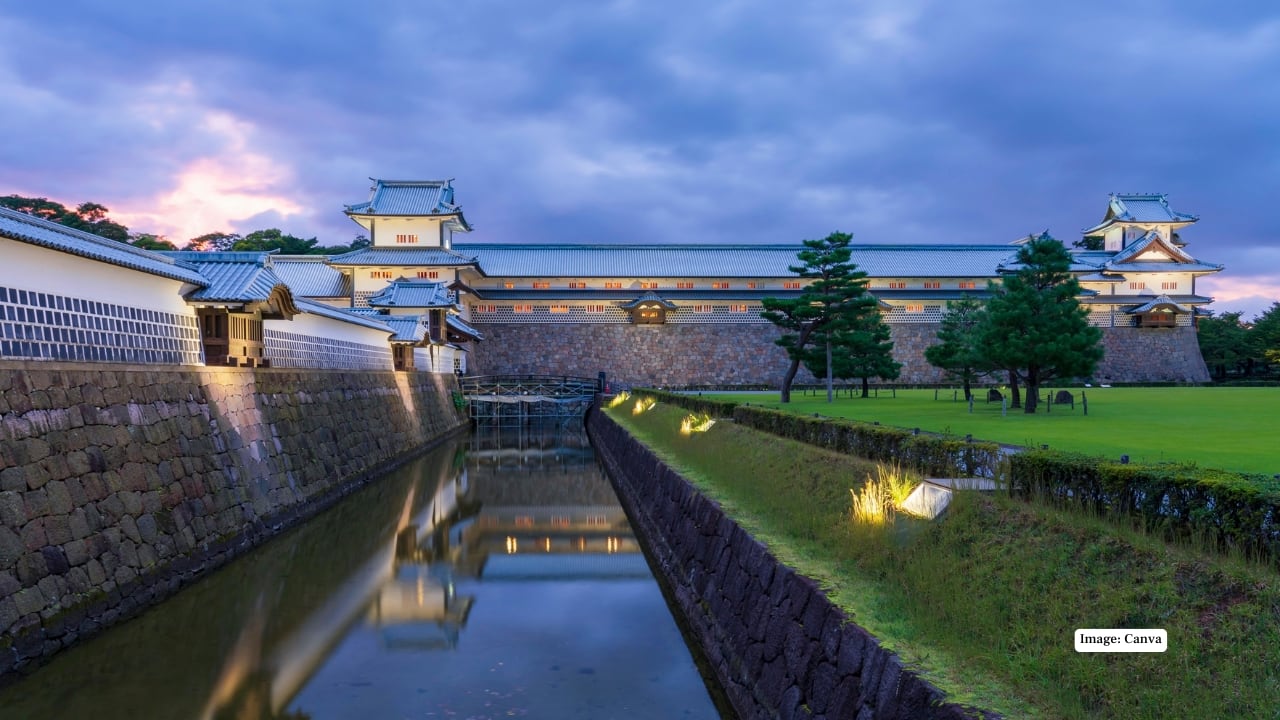
The city’s cultural heart revolves around Kanazawa Castle Park and Kenroku-en Garden — widely regarded as one of Japan’s three most beautiful landscape gardens. Stone walls, moats and reconstructed castle gates frame expansive greenery, creating a central oasis that anchors many of the city’s top attractions.
Plan for at least two full days to explore Kanazawa’s main sights, though its slower pace and layered history often encourage visitors to stay longer.
 Kanazawa
Top things to do in Kanazawa
Kanazawa may be compact, but it offers a rich blend of history, art and everyday life — all within easy walking distance.
1. Kenroku-en Garden
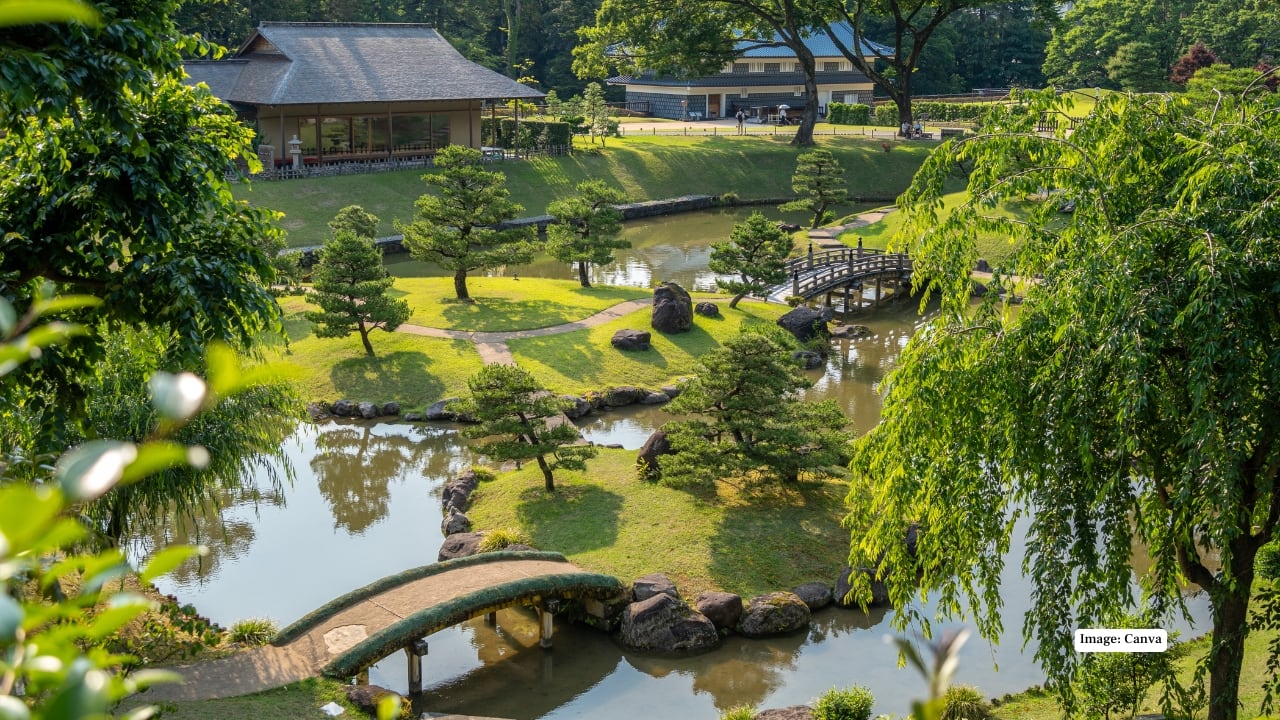
Kenroku-en is celebrated for its harmonious design, combining open lawns, reflective ponds, traditional teahouses and seasonal blooms. Cherry blossoms transform the landscape in spring, while autumn brings fiery maple foliage. In winter, the garden’s snow-laden pines create one of Japan’s most photographed seasonal scenes.
2. Kanazawa Castle
Located beside the garden, Kanazawa Castle was once the seat of the powerful Maeda clan. Today, reconstructed turrets and gates provide insight into feudal-era architecture and the city’s regional importance during the Edo period.
3. 21st Century Museum of Contemporary Art
The 21st Century Museum of Contemporary Art, Kanazawa represents the city’s modern creative identity. Its circular glass structure houses immersive installations and rotating exhibitions from Japanese and international artists, positioning it among the country’s leading contemporary art institutions.
4. Omicho Market
Dating back over 300 years, Omicho Market remains the city’s primary food hub. Fresh seafood from the Sea of Japan — including snow crab and sweet shrimp — dominates the stalls. Kaisendon (seafood rice bowls) are a popular choice for visitors seeking a local lunch experience.
5. D.T. Suzuki Museum
The minimalist D.T. Suzuki Museum honours the influential Buddhist philosopher D.T. Suzuki. Its reflective water garden and restrained architecture create a contemplative environment aligned with Zen philosophy.
6. Higashi Chaya District
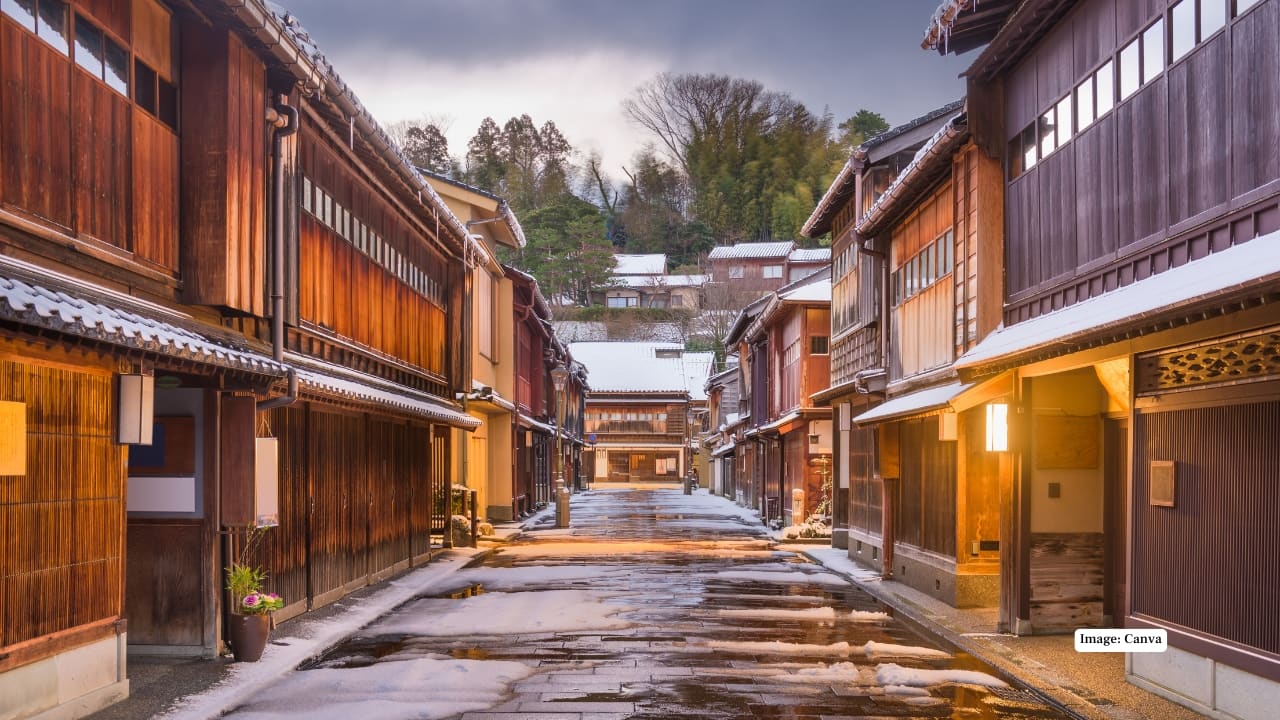
This preserved teahouse district features traditional wooden buildings that once hosted geisha performances. Today, visitors can explore craft boutiques, tea rooms and gold-leaf workshops. Kanazawa produces nearly all of Japan’s gold leaf, and even desserts here are delicately decorated with it.
7. Nagamachi Samurai District
Narrow lanes and earthen walls define this former samurai quarter. Residences such as the Kurando Terashima House offer a glimpse into the domestic life of feudal warriors, preserving a tangible connection to the city’s past.
 Kanazawa
Best time to visit Kanazawa
Kanazawa has a temperate climate and can be visited year-round, though each season offers a different experience.
A rainy season runs from mid-June to late July, though rainfall is not constant throughout this period.
 Kanazawa
How to get to Kanazawa
While Kanazawa does not have a major international airport, travellers can fly into Komatsu Airport (KMQ), located approximately 30 kilometres away.
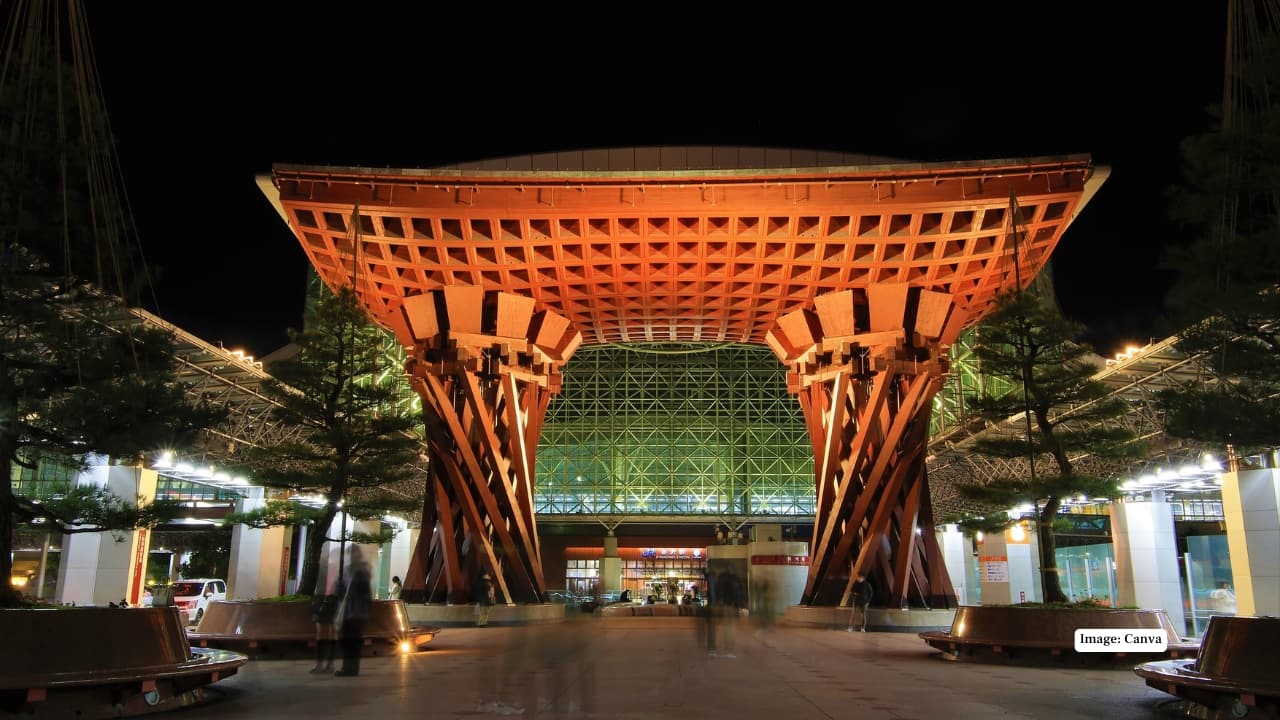
The city is directly connected to Tokyo via the Hokuriku Shinkansen (bullet train), making it an easy addition to a Tokyo–Kyoto itinerary. The journey from Tokyo takes roughly 2.5 hours. Driving from Tokyo is also possible, covering around 297 kilometres.
 Kanazawa
Extending your trip
Kanazawa also serves as a gateway to nearby cultural and natural highlights:
Naoshima, often called Japan’s “art island,” is known for outdoor installations and museums integrated into coastal landscapes.
Kiso Valley offers access to the historic Nakasendō Trail, where preserved post towns such as Magome and Tsumago reflect Edo-era travel routes.
Mountain onsen towns in Nagano provide traditional open-air bathing experiences, particularly scenic during winter.
A cultural escape that feels personal
In an era when overtourism is reshaping major global destinations, Kanazawa offers something increasingly rare: cultural depth without chaos. Visitors can explore samurai-era streets in the morning and step into contemporary art installations by afternoon, all within a city that still feels lived-in rather than staged.
For travellers seeking a destination that blends heritage, craftsmanship and understated sophistication, Kanazawa stands out as one of Japan’s most rewarding cities to visit in 2026.

Discover the latest Business News, Sensex, and Nifty updates. Obtain Personal Finance insights, tax queries, and expert opinions on Moneycontrol or download the Moneycontrol App to stay updated!
Find the best of Al News in one place, specially curated for you every weekend.
Stay on top of the latest tech trends and biggest startup news.





