






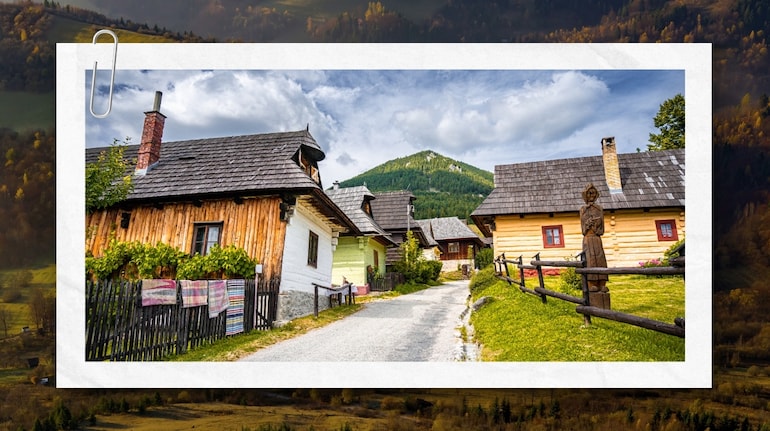

What does it feel like to walk into a village where time seems to have politely paused centuries ago? Tucked away in the mountains of central Slovakia, Vlkolínec offers precisely that rare sensation—of stepping into a living postcard from Europe’s rural past.
Nestled on the slopes of the Veľká Fatra mountains, Vlkolínec is one of those places that quietly resists the rush of modern life. Recognised as a UNESCO World Heritage Site in 1993, this small village is celebrated for its remarkably preserved folk architecture and traditional mountain settlement layout. With its wooden log houses, stone-lined paths and pastoral surroundings, Vlkolínec feels less like a tourist attraction and more like a chapter from history that never quite closed.
A UNESCO-listed village that time forgot
Vlkolínec’s inclusion on the UNESCO World Heritage list rests on its extraordinary authenticity. Unlike many historic settlements that have gradually absorbed concrete, glass and modern alterations, this village has retained its original character. The layout, architecture and materials reflect centuries-old building traditions that evolved in harmony with the harsh mountain climate.
The village is made up of nearly 50 wooden houses, most dating back to the 18th and 19th centuries. Built using local timber, these structures feature thick log walls and steep thatched roofs designed to withstand heavy snowfall. Narrow lanes weave between the homes, punctuated by stone wells, wooden fences and open meadows, offering a rare glimpse into how rural Slovak communities once lived and worked.
Perhaps the most iconic structure here is the wooden belfry, constructed in 1770. Standing beside the Church of the Visitation of the Virgin Mary, the belfry is a defining symbol of Vlkolínec—simple, functional and deeply rooted in local craftsmanship.
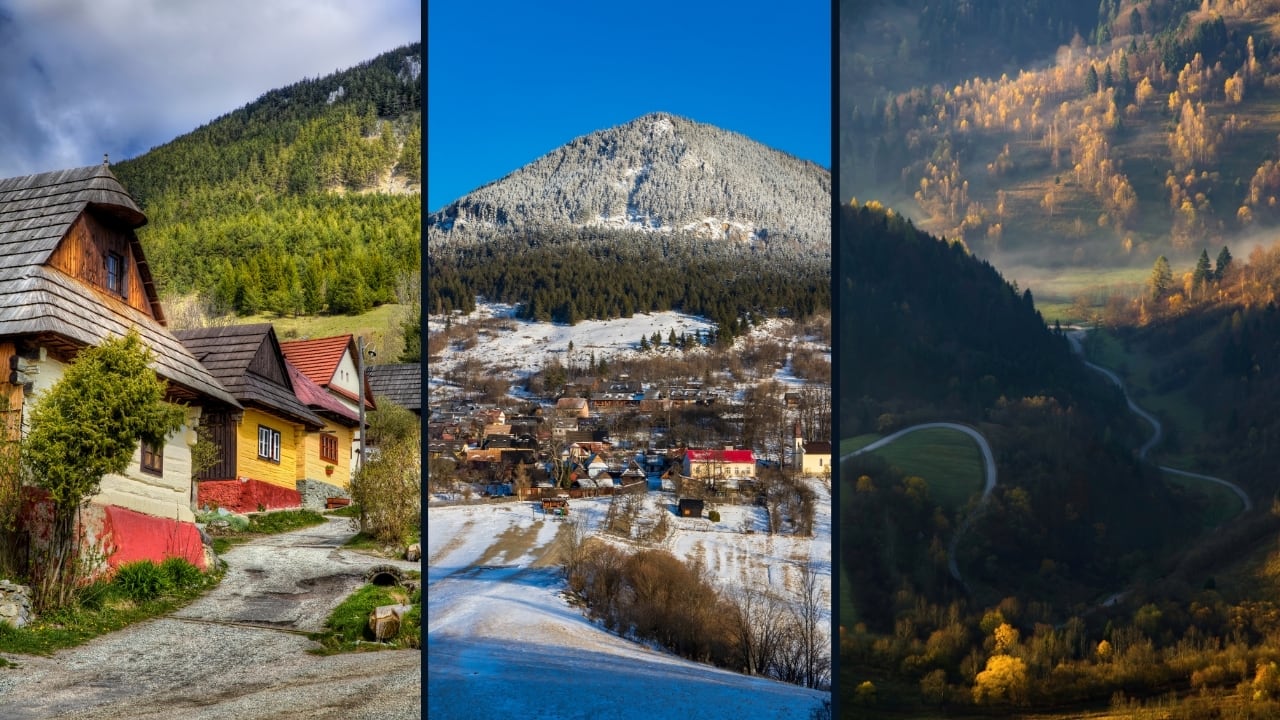 Vlkolínec
Inside the wooden homes of Vlkolínec
What truly brings Vlkolínec to life is the chance to step inside some of its historic homes. Several houses, including the well-known “Peasant House”, have been preserved as small folk museums. These interiors are modest yet evocative, showcasing handwoven textiles, wooden furniture, clay stoves and everyday tools once used by farmers and shepherds.
Each house tells its own story. Construction techniques were passed down through generations, resulting in homes that were practical, durable and closely tied to the rhythms of rural life. Stone foundations kept moisture at bay, while thick wooden walls provided insulation during long winters. The simplicity of these spaces reflects a lifestyle shaped by nature, seasons and self-sufficiency.
Where heritage meets wilderness
Set against the backdrop of the Veľká Fatra National Park, Vlkolínec enjoys a setting as striking as its architecture. The national park is one of Slovakia’s most pristine natural areas, known for dense forests, alpine meadows and rugged mountain terrain. For travellers who enjoy the outdoors, the village doubles as a gateway to nature.
Well-marked hiking trails begin near the settlement, leading visitors through forested slopes, along quiet streams and up to panoramic viewpoints overlooking the region. Wildlife sightings are common, with red deer, wild boar and numerous bird species inhabiting the area. Each season brings a distinct charm—from wildflowers carpeting the hills in spring to snow-draped roofs and trails in winter.
A village that still lives and breathes
What sets Vlkolínec apart from many heritage sites is that it is not merely a preserved relic—it is still inhabited. A small community continues to live here, maintaining traditional homes while carefully integrating modern necessities. This ongoing habitation lends the village an authenticity that cannot be recreated in open-air museums.
Residents play a crucial role in conservation efforts, ensuring that traditions, building methods and cultural practices are not lost to time. Visitors are not just observing history; they are witnessing it in motion, shaped by people who have chosen preservation over transformation.
Folk traditions and local celebrations
Vlkolínec’s cultural calendar adds another layer to its appeal. Throughout the year, the village hosts folk festivals that celebrate Slovak traditions through music, dance and craftsmanship. Visitors may encounter performances of traditional folk songs, dancers in regional costumes, or artisans demonstrating skills such as weaving and wood carving.
These gatherings offer a deeper connection to the village’s heritage, transforming a visit into a cultural exchange rather than a sightseeing stop. Local food, often prepared using age-old recipes, further enhances the experience.
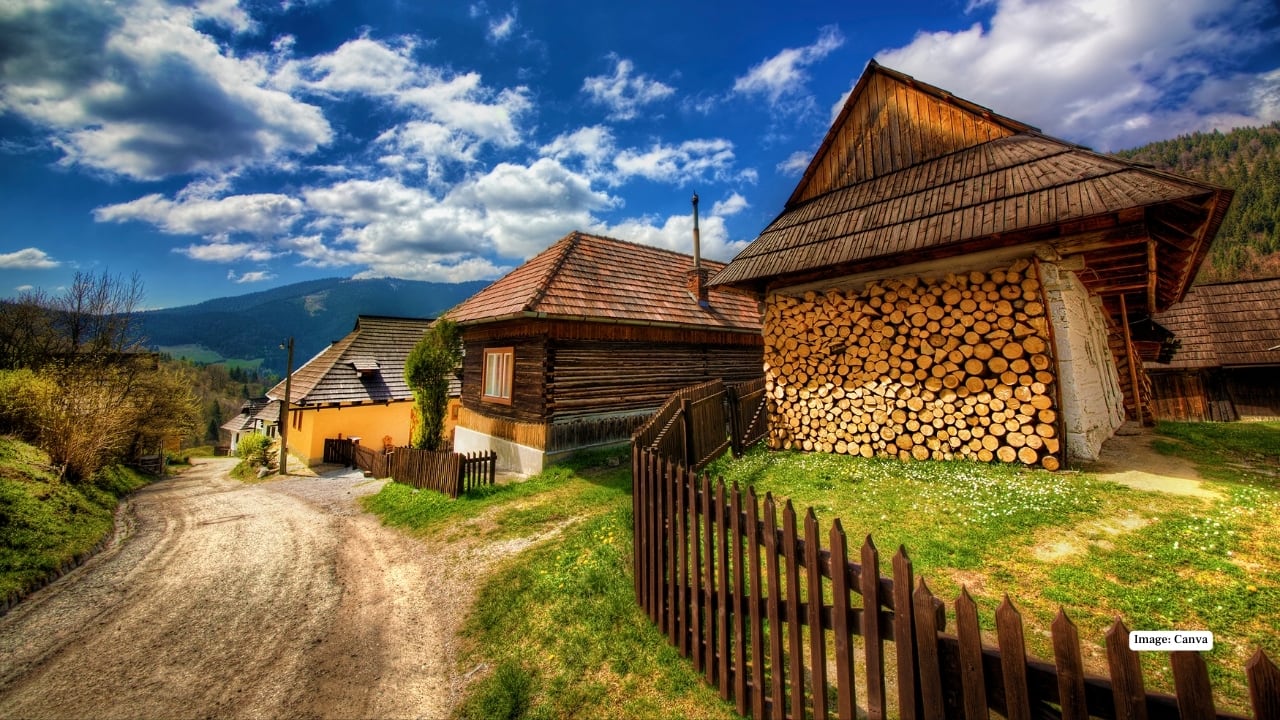 Vlkolínec
Why Vlkolínec deserves a place on your travel list
In a world where many destinations compete through scale and spectacle, Vlkolínec stands out through quiet authenticity. Its wooden houses, mountain setting and living traditions offer an intimate look at Slovakia’s rural heritage—one that feels both fragile and fiercely protected.
For travellers drawn to history, architecture, nature or slow travel, Vlkolínec delivers something increasingly rare: a sense of continuity. It is not just a village frozen in time, but a living reminder of how communities once thrived in harmony with their environment.
A visit to this UNESCO-listed gem is more than a journey through scenic landscapes—it is an encounter with a way of life that has endured for centuries, carefully preserved for those willing to wander off the usual tourist trail.

Discover the latest Business News, Sensex, and Nifty updates. Obtain Personal Finance insights, tax queries, and expert opinions on Moneycontrol or download the Moneycontrol App to stay updated!
Find the best of Al News in one place, specially curated for you every weekend.
Stay on top of the latest tech trends and biggest startup news.





