






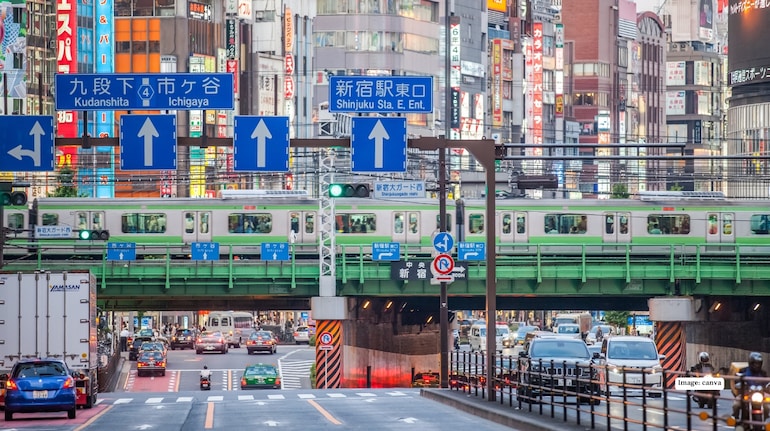
When it comes to mega transit hubs, nothing on the planet comes close to the scale and energy of Shinjuku Station in Tokyo, Japan. Recognised by Guinness World Records as the busiest railway station in the world, Shinjuku is more than a place to catch a train — it’s a sprawling, multi-level transit city that pulses with life around the clock.
Handling 3 to 3.8 million passengers every single day, Shinjuku sees more footfall in 24 hours than many global airports see in a week. Over a year, that number climbs to an astonishing 1.2–1.3 billion travellers, cementing its status as one of the world’s most impressive engineering and logistical feats.
 Shinjuku Station
A Transit Giant With Mind-Blowing Scale
What makes Shinjuku so massive? Its sheer complexity and size:
1. 36 platforms serving JR lines, private railways, and the Tokyo Metro.
2. More than 200 entrance and exit gates, each spilling into different parts of Tokyo.
3. Trains arriving every few seconds during peak hours.
4. Multiple underground levels filled with shops, restaurants, walkways, and connecting corridors.
Shinjuku Station opened in 1885 and has since evolved into an essential gateway connecting central Tokyo to its suburbs and regional areas. Today, it is jointly operated by JR East, Odakyu Electric Railway, Keio Corporation, and Tokyo Metro, making it one of the most interconnected stations anywhere in the world.
A Mini City Where Trains Are Just the Beginning
Stepping inside Shinjuku feels like entering a fully functional underground city. Beyond its 36 platforms and 200 gates lies a sprawling maze of shopping malls, department stores, underground food halls, convenience stores, entertainment zones, and smaller satellite stations.
The network of passageways stretches for kilometres, connecting every corner of this transit hub. Passengers often say you could spend hours inside without ever stepping outdoors—and still not see everything it has to offer.
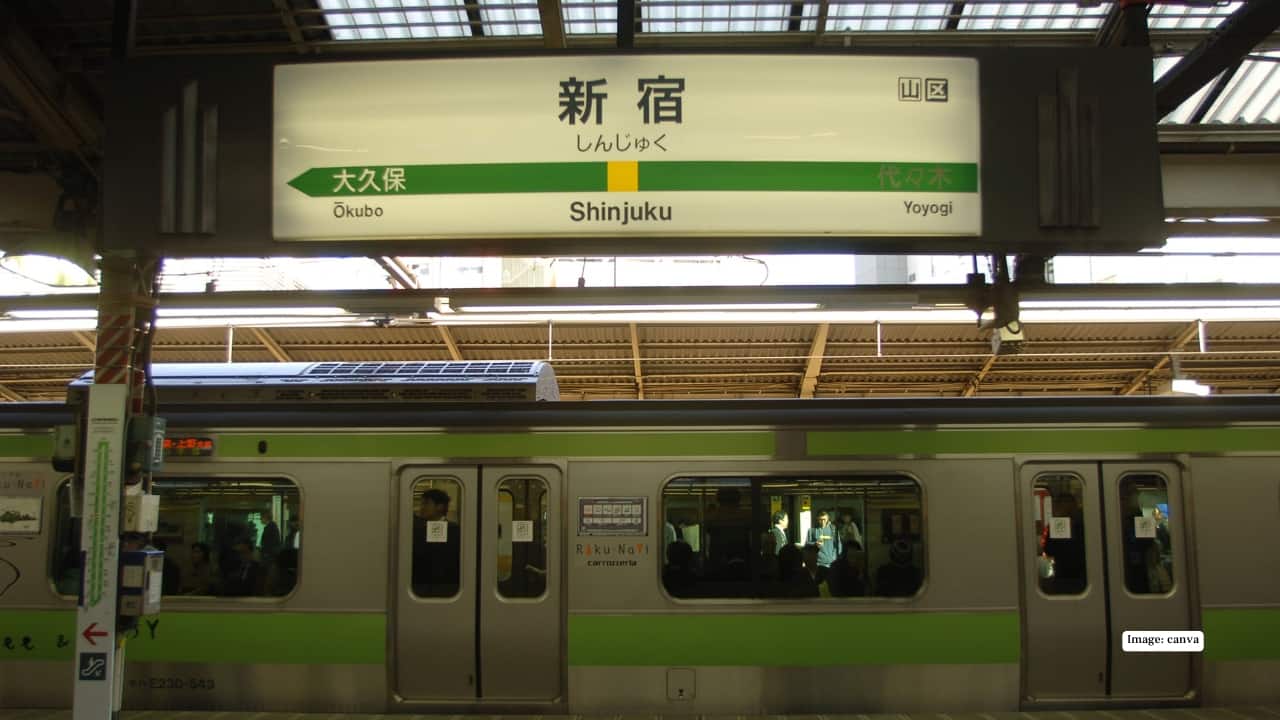 Shinjuku Station
A Station With Two Personalities
Shinjuku’s exits themselves offer contrasting experiences:
East Exit: Leads you straight into Tokyo’s buzzing entertainment district, home to neon-lit shopping streets, cafés, arcades, and nightlife.
West Exit: Opens into a sleek business zone filled with skyscrapers, corporate offices, and luxury hotels.
These drastically different worlds add to the charm of Shinjuku, making the station a cultural landmark as much as it is a transit hub.
Nearby Attractions You Shouldn’t Miss
If you’re visiting Shinjuku, there are some must-see spots just a short walk from the station:
1. Shinjuku Gyoen National Garden: A tranquil oasis of lawns, ponds, and traditional Japanese landscaping — perfect for a peaceful break from Tokyo’s fast pace.
2. Tokyo Metropolitan Government Building Observatory: Just 10 minutes from the west exit, offering free panoramic views of Tokyo and, on clear days, even Mount Fuji.
3. Kabukicho: One of Tokyo’s most vibrant nightlife districts, filled with izakayas, themed bars, clubs, ramen shops, karaoke rooms, and theatres.
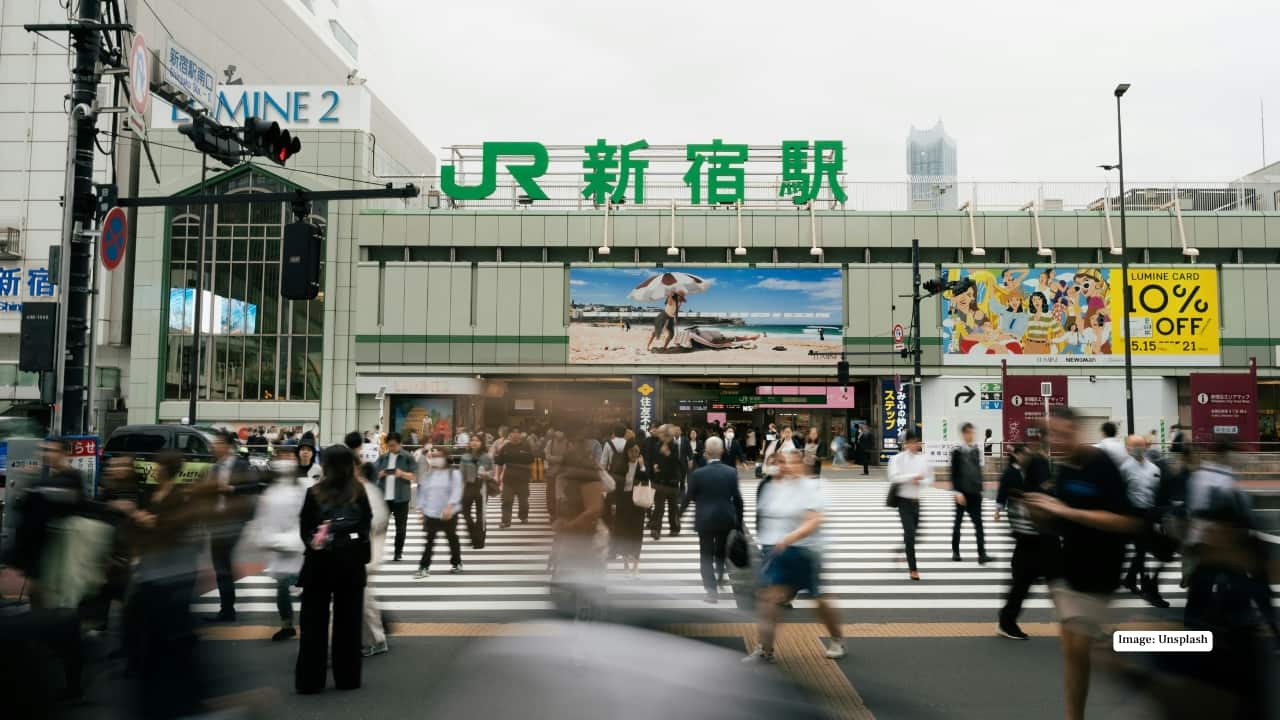 Shinjuku station
Why Shinjuku Station Is Worth Visiting
Even if you’re not catching a train, Shinjuku Station is an experience in itself. Walking through its corridors during rush hour feels like being swept into a living river of people — constant movement, seamless efficiency, and a glimpse into the organised chaos that drives Tokyo’s daily rhythm.
Whether you’re a commuter, tourist, or just curious explorer, Shinjuku remains an astonishing example of how large-scale public transport can shape an entire city.

Discover the latest Business News, Sensex, and Nifty updates. Obtain Personal Finance insights, tax queries, and expert opinions on Moneycontrol or download the Moneycontrol App to stay updated!
Find the best of Al News in one place, specially curated for you every weekend.
Stay on top of the latest tech trends and biggest startup news.




