






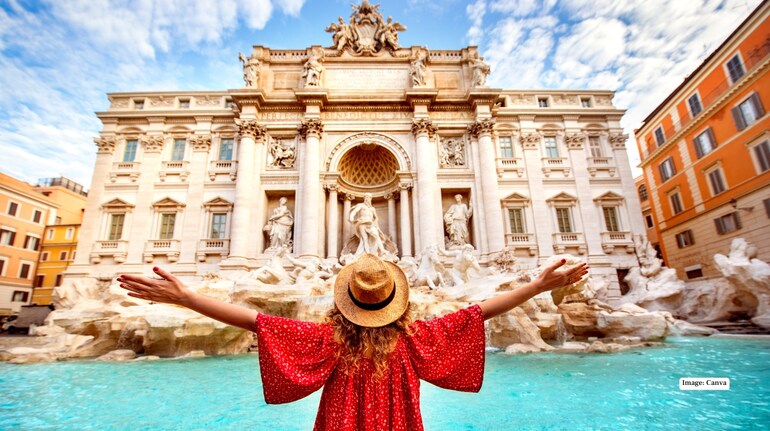
Rome is taking a decisive step to rein in overtourism at one of its most crowded landmarks. From February 1, 2026, tourists will have to pay €2 ($2.35 or approx. Rs 211) to get close to the Trevi Fountain, one of the Eternal City’s most photographed and visited attractions.
The new fee will apply during peak daytime hours, when congestion around the late-Baroque masterpiece often reaches unmanageable levels. While visitors can still admire the fountain for free from the surrounding piazza, access to the front basin area—where crowds traditionally gather—will now be ticketed.
Why Rome is introducing a Trevi Fountain entry fee
City officials say the move is less about revenue and more about managing chaotic tourist flows. Tens of thousands of visitors descend on the Trevi Fountain daily, creating bottlenecks in an already narrow part of Rome’s historic centre.
According to estimates, the €2 fee could generate up to €6.5 million annually, funds that will be channelled into monument maintenance and city infrastructure. The decision follows a year-long trial where visitor numbers were staggered using entry and exit pathways—an experiment that reportedly delivered positive results.
Rome’s mayor, Roberto Gualtieri, defended the decision, saying the small fee could significantly improve visitor experience. “Two euros isn’t very much,” he noted, adding that controlled access would reduce overcrowding and make visits more enjoyable.
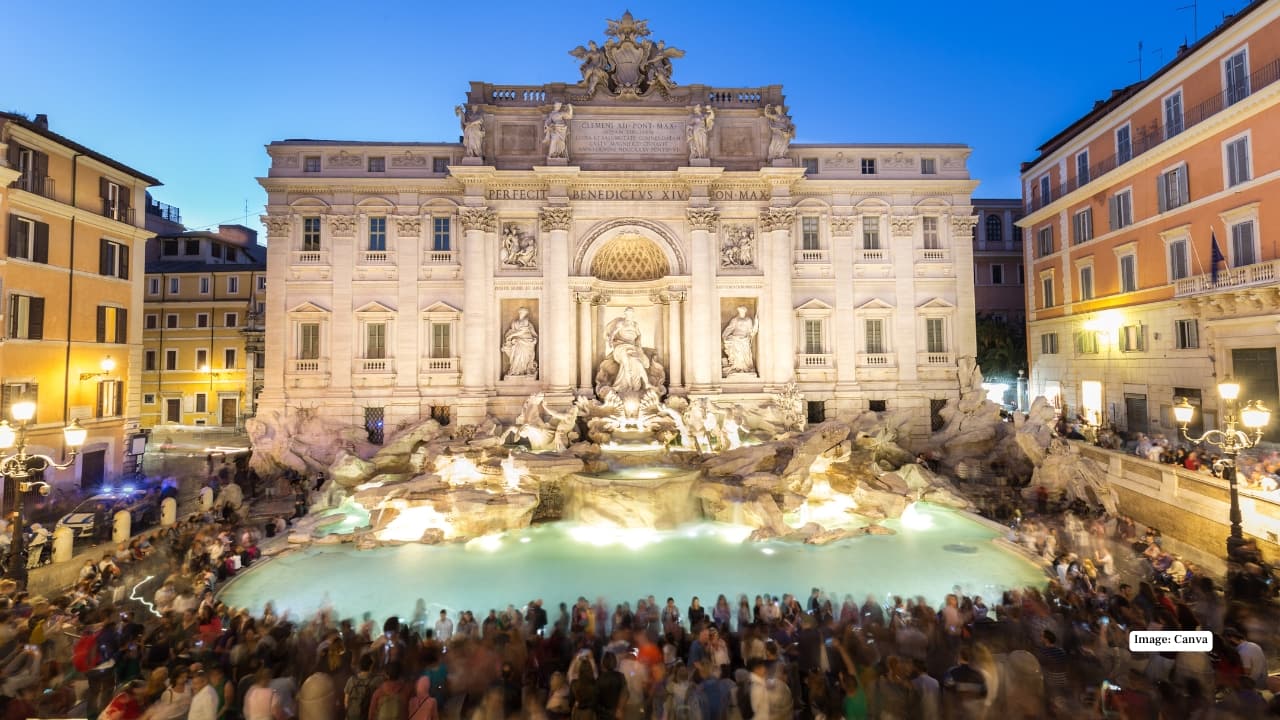 Rome’s iconic Trevi Fountain
Who won’t have to pay?
As with other tourist levies in Italy, local residents will be exempt from the Trevi Fountain fee. The policy is part of a broader initiative to make Rome more liveable for locals, with several museums—including the Napoleonic Museum and Circus Maximus—offered free to residents.
Additionally, children under five and people with disabilities will not be required to pay. Visitors unwilling to spend the €2 can still view the fountain from a distance or visit during night-time hours, when access restrictions will not apply.
Why the Trevi Fountain Remains One of the World’s Most Beloved Landmarks
The Trevi Fountain is famous not just for its stunning late Baroque design and appearances in classic films like La Dolce Vita, but also for the age-old tradition of tossing a coin over your shoulder to ensure a return to Rome. Each day, visitors throw thousands of euros into the fountain for good luck—a ritual that has become as iconic as the monument itself. These coins, collected regularly from the basin, are donated to local charities, preserving a unique blend of superstition, culture and community support that adds to the Trevi Fountain’s enduring appeal.
Part of a wider European tourism trend
Rome’s decision mirrors a growing movement across Europe as popular destinations grapple with overtourism. Venice has already reinstated its €5 day-tripper tax, while the Dutch heritage village of Zaanse Schans is set to introduce a €17.50 entry fee.
Rome itself has precedent: the Pantheon already operates under a ticketed entry system, and a new €5 museum ticket is being introduced alongside expanded free access for residents.
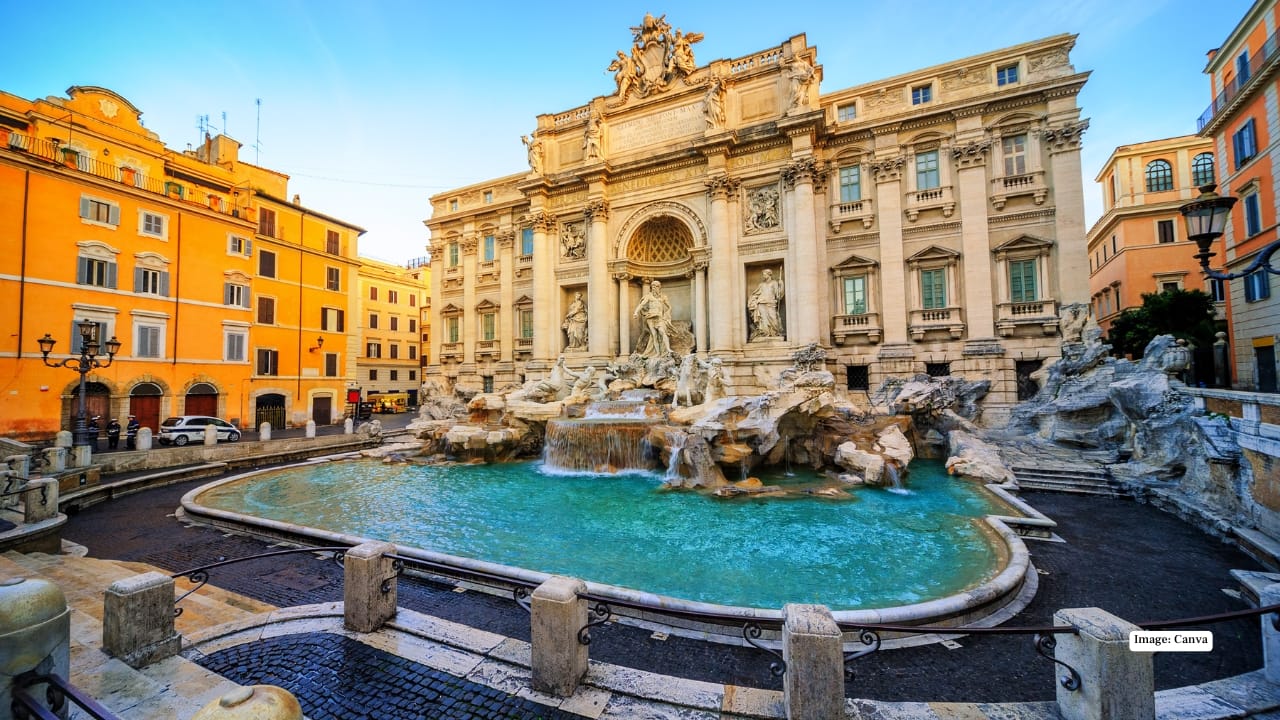 Rome’s iconic Trevi Fountain
Why the Trevi Fountain attracts massive crowds
Immortalised in Federico Fellini’s La Dolce Vita, the Trevi Fountain is more than just a monument—it’s a cultural symbol. Tourists flock to toss coins over their shoulders, hoping for a return to Rome, turning the small piazza into one of the city’s most congested spaces year-round.
With the new fee set to begin in 2026, Rome is betting that a modest charge—and better crowd control—can help preserve the fountain’s magic without sacrificing accessibility.
For travellers planning a Roman holiday next year, the message is clear: seeing the Trevi Fountain up close will now come at a small cost—but potentially with a far better experience.

Discover the latest Business News, Sensex, and Nifty updates. Obtain Personal Finance insights, tax queries, and expert opinions on Moneycontrol or download the Moneycontrol App to stay updated!
Find the best of Al News in one place, specially curated for you every weekend.
Stay on top of the latest tech trends and biggest startup news.




