






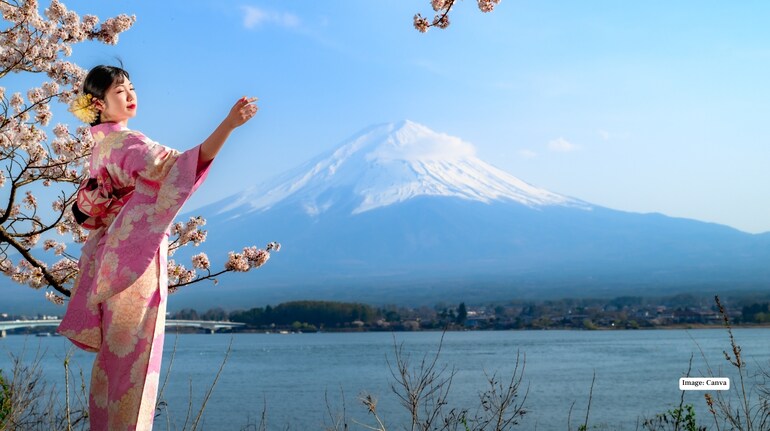

What if you travel halfway across the world to see Mount Fuji… and it simply isn’t there?
No clouds on the forecast, your camera fully charged, expectations sky-high—and yet Japan’s most iconic peak stays hidden, wrapped in mist like a secret it’s not ready to share. It’s a surprisingly common experience. Mount Fuji is clearly visible for only about 70 to 80 days a year, which makes every clear sighting feel less like luck and more like winning a quiet lottery.
The world’s most photographed mountain—and one of the most elusive
Standing at 3,776 metres, Mount Fuji dominates postcards, paintings and travel dreams. But in reality, Japan’s climate has other plans. High humidity, shifting cloud cover and atmospheric haze mean Fuji spends most of the year playing hide-and-seek with travellers.
Meteorological observations from the Tokyo region back this up: on average, the mountain reveals itself on roughly seventy days annually, with most of those appearances clustered in winter. Summer, ironically the most popular travel season, is also when Fuji is at its shyest—often completely swallowed by clouds for weeks at a time.
Best time to see Mount Fuji
The best time to see Mount Fuji is during winter, from December to February, when cold, dry air offers the clearest views. Early mornings just after sunrise provide the highest chances before clouds form. Late autumn can offer brief visibility, while summer is the worst season, with humidity often hiding the mountain completely.
Why winter is Fuji’s best-kept secret
If there’s one insider tip that seasoned Japan travellers swear by, it’s this: winter mornings are gold.
Cold, dry air strips away haze and moisture, delivering crisp blue skies that make Fuji’s snow-capped cone look almost unreal. December to February offers the highest odds, especially just after sunrise. By late morning, clouds tend to roll in, softening the outline until the mountain fades once again.
It’s fleeting. It’s quiet. And when it happens, it’s unforgettable.
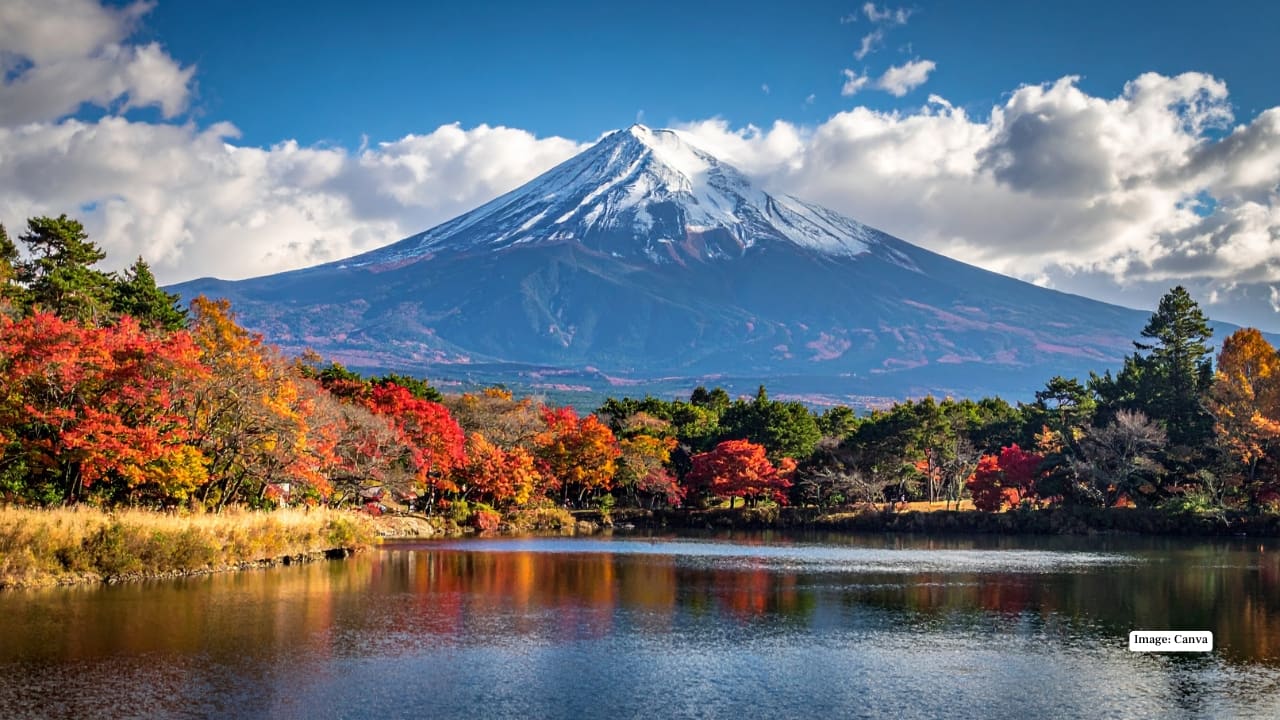 Mount Fuji
When Fuji hides, run the lake instead
On one such winter trip, with Fuji refusing to cooperate, the alternative turned out to be just as memorable: a full loop around Lake Kawaguchi, the largest of the Five Fuji Lakes.
The route stretches about 16 kilometres, making it far more popular with cyclists and drivers than runners. But that’s exactly what makes it special. Long, peaceful stretches hug the water’s edge, passing cafés, small shrines, quiet docks and sleepy neighbourhoods. And every few kilometres, the mountain teases you—briefly emerging from behind clouds before disappearing again.
It’s a reminder that Fuji isn’t a static monument. It’s a living presence, changing with the light, the weather and your patience.
Why Mount Fuji is so often hidden
The reasons are surprisingly simple:
In other words, Fuji doesn’t disappear—it just waits.
The best places to catch a clear view
If you’re determined to stack the odds in your favour, these spots offer some of the best chances:
How to actually see Mount Fuji (and not just hope)
The magic is in the waiting
Perhaps that’s the real reason Mount Fuji feels so powerful. You don’t just look at it—you wait for it. You plan around it. You adjust expectations and learn to enjoy the stillness of lakes, the quiet of winter mornings, and the beauty of a landscape even when its star refuses to appear.
And when Fuji finally emerges—clear, white, impossibly perfect—you understand why seeing it feels like a privilege, not a guarantee.

Discover the latest Business News, Sensex, and Nifty updates. Obtain Personal Finance insights, tax queries, and expert opinions on Moneycontrol or download the Moneycontrol App to stay updated!
Find the best of Al News in one place, specially curated for you every weekend.
Stay on top of the latest tech trends and biggest startup news.





