







Malaysia has quietly pulled off one of the biggest tourism success stories in Southeast Asia. In 2025, the country welcomed a record 42.2 million international visitors, an 11.2% jump year-on-year and a 20.4% increase over pre-pandemic 2019 levels, officially making it the most visited country in the region, ahead of traditional heavyweights like Thailand.
The milestone, hailed by Deputy Prime Minister Ahmad Zahid Hamidi as a “solid foundation” for the upcoming Visit Malaysia 2026 (VM2026) campaign, signals more than just a post-pandemic rebound. It reflects Malaysia’s growing appeal as a stable, accessible and experience-rich destination for global travellers.
Record Arrivals Signal Strong Tourism Recovery
Tourism numbers tell the story clearly. After welcoming around 38 million foreign visitors in 2024, Malaysia’s arrival figures surged further in 2025, underlining strong global demand. The performance stands out at a time when several Southeast Asian destinations have struggled with geopolitical tensions, climate disruptions and infrastructure stress.
By comparison, Thailand recorded 32.9 million foreign arrivals in 2025, a decline attributed to regional tensions, natural disasters and safety concerns. Malaysia’s political stability, efficient governance and investor-friendly tourism policies have helped it stand out as a safer, more predictable choice for travellers.
Visa-Free Access Gives Malaysia an Edge
One of Malaysia’s biggest advantages has been its liberal visa regime. Travellers from most countries enjoy visa-free entry, with English widely spoken across cities and tourist hubs.
For two of Asia’s largest outbound markets—China and India—recent policy changes have been a game changer. Chinese tourists have been granted extended visa options of up to five years, while Indian travellers can visit Malaysia visa-free until 2026, significantly lowering barriers to travel.
These measures have helped Malaysia tap into high-volume markets at a time when global travellers are prioritising ease, affordability and flexibility.
Improved Connectivity Fuels Growth
Malaysia’s tourism surge has also been been powered by expanding air connectivity. The government’s upgrades to Kuala Lumpur International Airport (KLIA) Terminal 1, along with an increase in international flight routes, have made travel smoother and more affordable. Increased flight capacity from China, India, Australia and the Middle East has played a critical role in sustaining arrival numbers.
What Makes Malaysia So Appealing to Tourists?
Malaysia’s tourism success is rooted in variety. Few destinations offer such a seamless mix of modern cities, cultural heritage, wildlife experiences and island escapes.
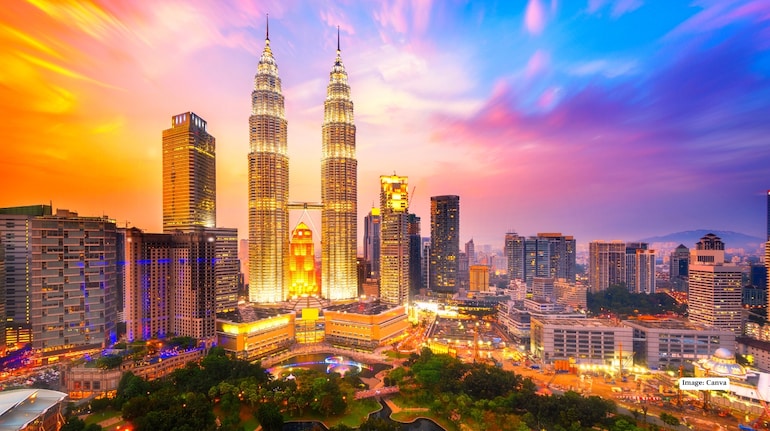
Kuala Lumpur draws first-time visitors with its iconic skyline, led by the Petronas Twin Towers, vibrant shopping districts and legendary street food.
A short drive away, the Batu Caves—one of the most important Hindu pilgrimage sites outside India—attract millions each year with their towering Murugan statue and colourful stairway.
Penang and Melaka, both UNESCO-recognised for their heritage, offer a blend of colonial history, multicultural cuisine and thriving café scenes.
Beyond cities, Malaysia’s natural assets are just as compelling. With nearly 878 islands, the country is ideal for beach holidays and island-hopping. Langkawi and Pangkor cater to leisure travellers, while Sipadan Island is globally renowned for diving, offering encounters with sea turtles and pristine coral reefs.
Exploring Beyond the Usual Tourist Trail
Malaysia’s eastern region on Borneo is fast gaining attention among eco-tourists and adventure seekers. The Kinabatangan Wildlife Sanctuary offers guided river safaris to spot orangutans, pygmy elephants and proboscis monkeys, often paired with luxury rainforest lodge stays.
Mount Kinabalu, Southeast Asia’s tallest peak at over 13,000 feet, remains a bucket-list climb, with permits and guided treks in high demand. Meanwhile, Taman Negara, believed to house one of the world’s oldest rainforests at over 130 million years, showcases Malaysia’s extraordinary biodiversity.
Tourism’s Growing Economic Impact
The tourism boom has translated into tangible economic gains. Hospitality, transport, retail and food services have all seen strong growth, while higher tourist spending has boosted government revenues and supported local businesses.
Malaysia’s continued investment in airports, hotels, transport networks and tourism infrastructure underscores how central travel has become to its economic strategy.
What’s Next: Visit Malaysia 2026
With momentum firmly on its side, Malaysia is now gearing up for Visit Malaysia 2026, a nationwide campaign aimed at attracting even more international travellers. The focus will include eco-tourism, wellness travel, cultural tourism and promoting lesser-known towns and rural destinations.
By spreading tourism beyond major cities, the government hopes to ensure more inclusive growth while preserving Malaysia’s cultural and natural heritage.
The Bottom Line
Malaysia’s record 42.2 million visitors in 2025 is no coincidence. Visa-friendly policies, improved connectivity, political stability and a rare diversity of experiences have positioned the country as Southeast Asia’s most compelling travel destination right now.
From skyscrapers and street food to rainforests, reefs and ancient traditions, Malaysia’s tourism story is only getting started—and for travellers planning their next Asian getaway, it may just be the region’s smartest choice.
Discover the latest Business News, Sensex, and Nifty updates. Obtain Personal Finance insights, tax queries, and expert opinions on Moneycontrol or download the Moneycontrol App to stay updated!
Find the best of Al News in one place, specially curated for you every weekend.
Stay on top of the latest tech trends and biggest startup news.





