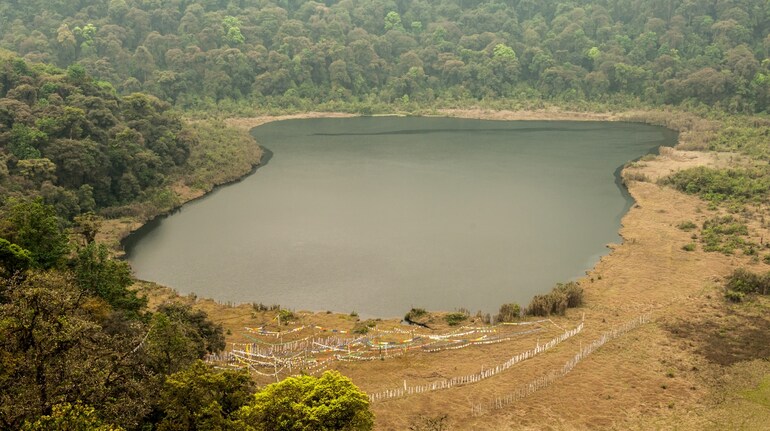
In a significant step for environmental conservation, the Indian government has announced the addition of four more wetlands to the prestigious Ramsar Convention list, bringing the total number of Ramsar sites in India to 89. This announcement, made just ahead of World Wetlands Day on February 2, highlights India’s growing commitment to preserving its rich natural heritage and ensuring sustainable development.
The newly designated Ramsar sites are:
1. Sakkarakottai Bird Sanctuary, Tamil Nadu
Located in Ramanathapuram, this sanctuary is a vital stop for migratory birds. Its wetlands and estuarine habitats support diverse bird species, making it a key site for avian conservation.
2. Therthangal Bird Sanctuary, Tamil Nadu
Near Palk Bay, this sanctuary attracts migratory waders and waterfowl. Its coastal wetlands serve as an important stopover for birds migrating along the East Asia-Australasia Flyway.
3. Khecheopalri Wetland, Sikkim
A sacred lake surrounded by Himalayan forests, Khecheopalri Wetland is home to various bird species, especially migratory ones passing through the eastern Himalayan region, and is cherished by locals.
4. Udhwa Lake, Jharkhand
Located in Sahebganj, Udhwa Lake offers a rich wetland ecosystem for birds, especially waterfowl. It serves as a breeding ground and vital habitat for various migratory and resident species.
For Sikkim and Jharkhand, this marks a special moment—both states are now home to their very first Ramsar sites, a major achievement in their environmental journeys. Tamil Nadu also stands out in this announcement, becoming the state with the highest number of Ramsar sites in India, with a total of 20.
A Win for Both Nature and Development
Union Minister Bhupender Yadav, while announcing the new sites on January 31, emphasized how this achievement reflects the harmonious relationship between nature ("Prakriti") and development ("Pragati"). Under the leadership of Prime Minister Narendra Modi, India is showing the world that environmental preservation and growth can go hand-in-hand, and these new additions to the Ramsar list are proof of that vision in action.
And 89 it isAs the global community is gearing to celebrate World Wetlands Day, India has reasons to rejoice.We have added 4 new Ramsar sites to the list of Wetlands of International Importance:1Sakkarakottai Bird Sanctuary, Tamil Nadu2 Therthangal Bird Sanctuary, pic.twitter.com/V5FXywLMCeBhupender Yadav (@byadavbjp) January 31, 2025
India Leads in Ramsar Wetlands
India now has the most Ramsar wetlands in Asia and ranks third globally, following the UK (with 176 Ramsar sites) and Mexico (144 Ramsar sites). This impressive ranking showcases India’s dedication to protecting its natural wonders, ensuring they remain safe for generations to come.
What are Wetlands?
Wetlands are areas where water covers the soil or is present either seasonally or year-round. These ecosystems are crucial for maintaining biodiversity, mitigating floods, and filtering pollutants. Wetlands also provide essential habitats for a wide variety of plant and animal species, especially birds, fish, and amphibians. These areas are of significant ecological importance, as they help maintain the water cycle, support agriculture, and provide resources for local communities.
What is a Ramsar Site?
A Ramsar Site is a wetland of international importance that has been designated under the Ramsar Convention on Wetlands, which was signed in 1971 in Ramsar, Iran. The purpose of the convention is to ensure that wetlands are conserved and used wisely to support biodiversity and the ecosystem services they provide. Wetlands that are given Ramsar status are recognized globally for their ecological significance and their importance to both local communities and the planet at large.
Why Ramsar Sites Matter Globally
Designating wetlands as Ramsar Sites isn’t just about local protection; it’s about a global commitment to preserving some of the most important ecosystems on Earth. These sites help regulate the water cycle, provide vital resources to communities, and are key players in mitigating climate change by storing carbon. By protecting these areas, countries are also ensuring a sustainable future for wildlife and people alike.
India’s addition of four more wetlands to the Ramsar list is a significant step forward in global conservation efforts. As the country continues to lead in protecting its wetland ecosystems, this achievement sets an example for the world on the importance of preserving nature while embracing development. The recognition of these wetlands not only boosts India's standing in global environmental efforts but also highlights the country's ongoing commitment to balancing conservation with progress.

Discover the latest Business News, Sensex, and Nifty updates. Obtain Personal Finance insights, tax queries, and expert opinions on Moneycontrol or download the Moneycontrol App to stay updated!
Find the best of Al News in one place, specially curated for you every weekend.
Stay on top of the latest tech trends and biggest startup news.