India’s history is often told through the lens of conquest and kingship. Yet, tucked into its architectural past are stories of queens whose names still echo through stone corridors and ancient ramparts. These women were not merely companions to kings—they were strategists, reformers, patrons of the arts, and, at times, fierce defenders of their people. The forts that carry their names are more than geographical markers; they are chapters in the country’s story that deserve to be read slowly and remembered well. Here are six forts in India named in honour of women who shaped history in their own right.
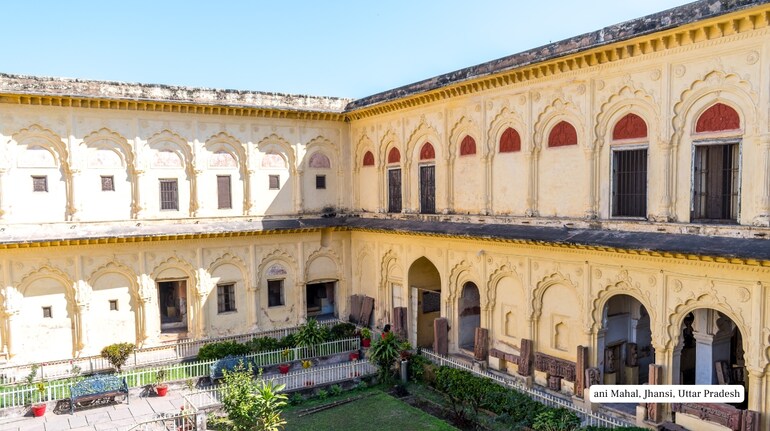
1. Rani Mahal, Jhansi, Uttar Pradesh
Though the larger complex is known simply as Jhansi Fort, it is within its walls that one finds the Rani Mahal—the Queen’s Palace. This modest yet dignified residence was once home to Rani Lakshmibai, who led an armed resistance against the British during the revolt of 1857. The structure today retains traces of her strength, with fading murals and stone balconies that overlook the city she once defended with unmatched resolve.
2. Kittur Fort, Belagavi District, Karnataka
Though originally built by the Desai rulers, Kittur Fort is now inextricably linked with the name of Rani Chennamma. In 1824, she raised her banner against British encroachment, becoming one of the first Indian royals to challenge colonial rule. The fort, modest in size but monumental in memory, still stands as a quiet witness to her resistance and sacrifice.
 Rani Durgavati Fort (Madan Mahal), Jabalpur, Madhya Pradesh
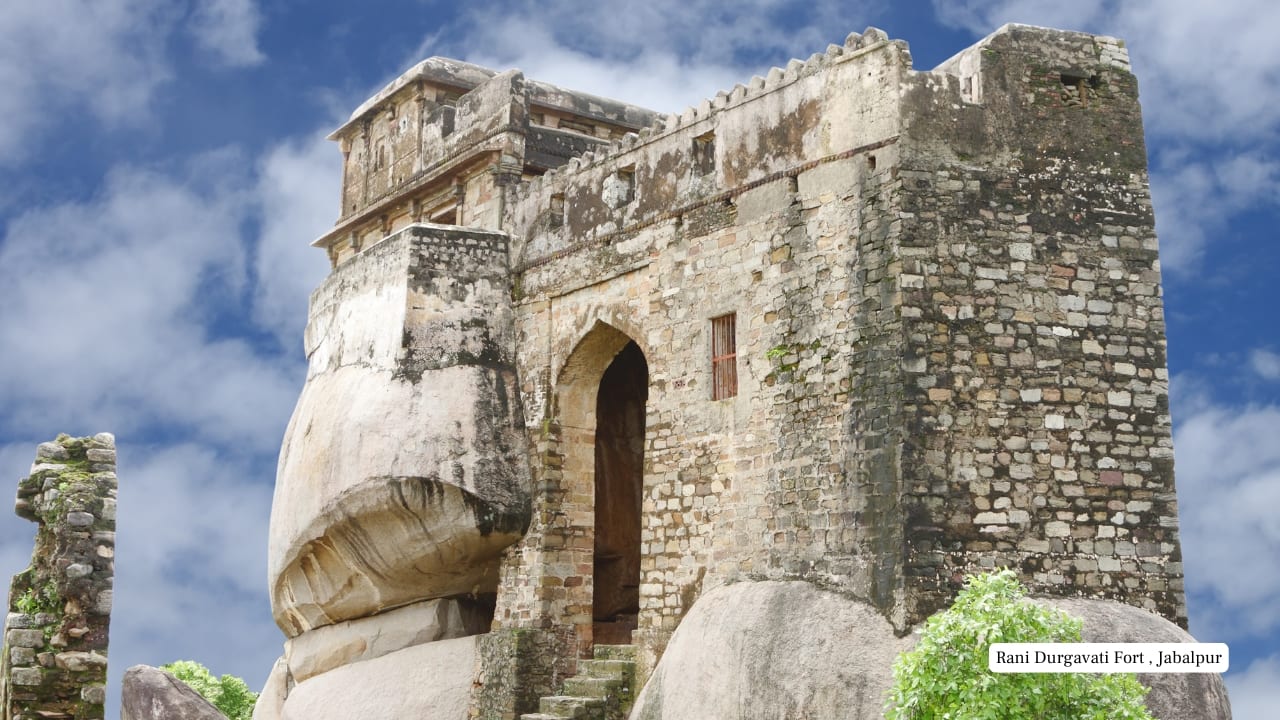
3. Rani Durgavati Fort (Madan Mahal), Jabalpur, Madhya Pradesh
Perched high on a rocky outcrop overlooking Jabalpur is a fort popularly known as Madan Mahal. However, it is the legacy of Rani Durgavati, the Gond queen who fought valiantly against Mughal expansion, that gives the fort its deeper meaning. Though compact in size, the structure is strategic in design, bearing witness to a ruler remembered more for her courage than the stone that marks her presence.
4. Ahilya Fort, Maheshwar, Madhya Pradesh
Overlooking the banks of the Narmada River is Ahilya Fort, a stately residence and administrative centre named after Ahilyabai Holkar. She is remembered not for warfare but for wisdom—building temples, dharamshalas, and roads across her kingdom. Today, the fort has been restored as a heritage stay, where the scent of river breeze and carved balconies continue to echo her vision of benevolent governance.
 Mirjan Fort, Uttara Kannada, Karnataka
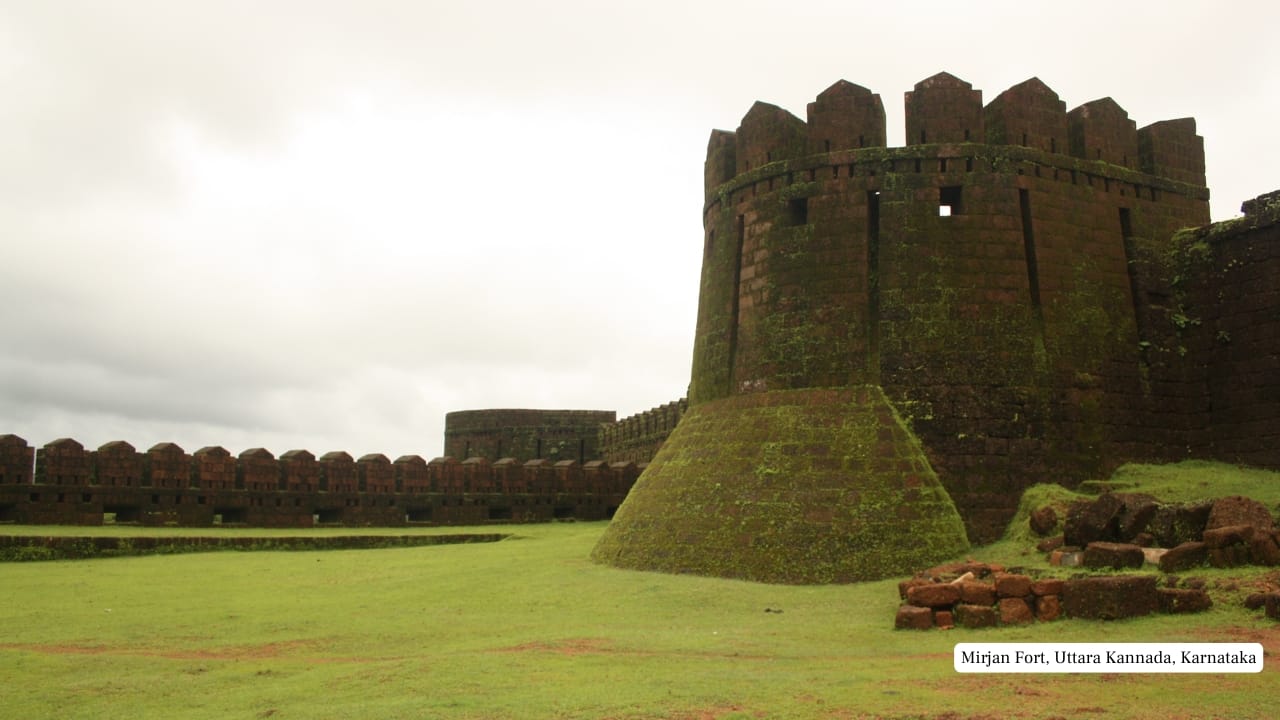
5. Mirjan Fort, Uttara Kannada, Karnataka
Hidden amid coconut groves and laterite cliffs lies Mirjan Fort, believed to have been commissioned or significantly developed by Queen Chennabhaira Devi of the Tuluva dynasty. Known for her foresight in both military and civic planning, she transformed this coastal outpost into a formidable trading and defensive base. The quiet ruins, overgrown yet dignified, suggest a past of order, ambition, and royal acumen.
These forts do not shout their history—they murmur it. They are not the grandest in size, but their stories are among the most compelling. Through them, we glimpse a version of India’s past that too often goes untold: one in which women governed, rebelled, built, and led.
For the traveller willing to listen, these places offer more than stone and silence—they offer memory.

Discover the latest Business News, Sensex, and Nifty updates. Obtain Personal Finance insights, tax queries, and expert opinions on Moneycontrol or download the Moneycontrol App to stay updated!
Find the best of Al News in one place, specially curated for you every weekend.
Stay on top of the latest tech trends and biggest startup news.