- My Alerts
- Go Ad-Free
-
My Account















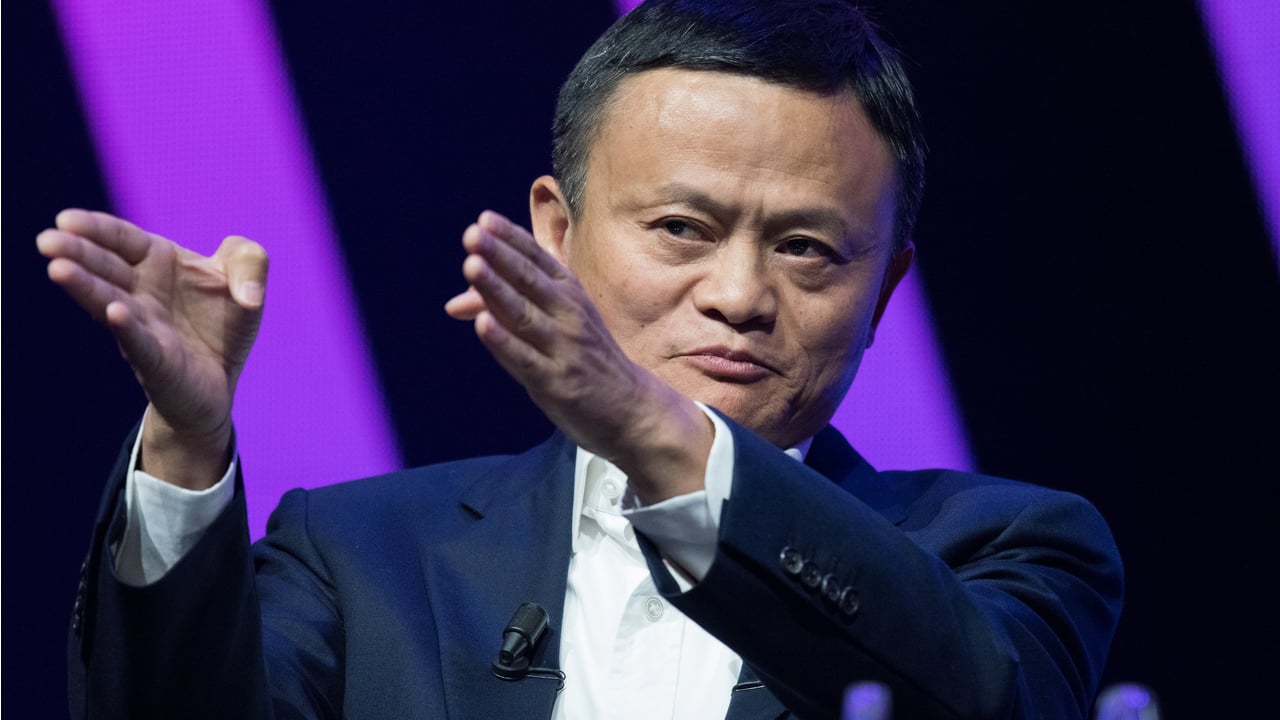
Jack Ma
Ma Yun (born September 10, 1964), popularly known as Jack Ma, is a Chinese entrepreneur, philanthropist, and former executive. He is the co-founder and former executive chairman of Alibaba Group, one
...Read more- Rakul Preet Singh lashes out at Bollywood's paid PR culture: ‘There are some people who even bash other people’
Rakul Preet Singh recently spoke out against the growing trend of paid publicity in Bollywood, calling the practice unnecessary and strongly criticising its negative impact in a recent interview.
- Michael trailer: Jaafar Jackson steps into his uncle’s legacy as the biopic charts the King of Pop’s rise to fame
The Michael biopic trailer offers an intimate glimpse into the life of Michael Jackson, tracing his journey from child prodigy to global icon beyond a simple greatest-hits retelling.
- Hijack and bomb threat on tissue paper: Kuwait-Delhi IndiGo flight diverted to Ahmedabad
Authorities indicated that the flight would continue to Delhi after receiving the necessary security clearance.
- Michael Jackson biopic set for grand premiere at multi-day fan celebration in Berlin
The highly anticipated Michael Jackson biopic Michael will premiere on April 10 in Berlin as part of a multi-day fan celebration honouring the King of Pop. The red carpet event will be attended by the film’s cast and creators, marking a global gathering for fans ahead of the film’s worldwide release.
- Google Cloud gaming chief urges studios to educate teams on what AI can and cannot do
Google Cloud’s global director for games, Jack Buser, argues AI should be treated as a powerful tool that enhances human creativity rather than replacing it, and predicts 2026 will be the year studios scale AI across entire development workflows.
- US police arrest woman over alleged Trump assassination plot — what happened?
Morgan L. Morrow, 39, from Ripley, West Virginia, was arrested for allegedly plotting to assassinate US President Donald Trump, using social media to recruit others, according to the Jackson County Sheriff’s Department.
- Republic Day parade 2026: Ursula von der Leyen wears silk brocade jacket, gives a nod to Indian culture
President of EU Commission Ursula von der Leyen is on a 4-day visit to India ahead of 16th India-EU summit. To know what she wore to attend Republic Day parade, read on.
- Republic Day parade 2026: PM Narendra Modi wears light blue jacket and red tie-dye pagdi with gold motifs in his signature style
PM Narendra Modi wears his signature Modi jacket over kurta and his pagdi to mark the celebration of 77th Republic Day.
- How to clean and store winter blankets and jackets properly
Caring for your blankets, quilts, and jackets isn’t just about organization — it’s about preserving comfort, quality, and longevity. With a little effort now, you’ll thank yourself when winter rolls around again.
- Krishna Shroff celebrates her 33rd birthday with dad Jackie Shroff, brother Tiger Shroff, mom - See pics
Krishna Shroff rang in her 33rd birthday with a warm and intimate celebration alongside her parents Jackie and Ayesha Shroff, and brother Tiger Shroff. The family pictures shared on Instagram captured heartfelt moments, love, and togetherness from the special day.
- "I hope someone will bring a subject": Jackie Shroff wishes to work with son Tiger Shroff
Veteran actor Jackie Shroff, whose illustrious film career has spanned over four decades, has expressed his desire to collaborate once again with his son, actor Tiger Shroff.
- Hijack Season 2 Review: Idris Elba battles pressure and panic in a Berlin metro
Season 2 of ‘Hijack’ shifts tracks from the sky to the underground and finds new ways to stretch tension without losing its grip. It is not flawless, but it remains a gripping and well-acted thriller.
- Disha Patani with rumoured beau Talwiinder, Rakul Preet Singh-Jackky Bhagnani, and others attend Nupur Sanon–Stebin Ben’s reception
Disha Patani was spotted arriving with her rumoured beau Talwiinder at Nupur Sanon and Stebin Ben’s star-studded Mumbai reception. Their appearance together quickly caught attention as videos and pictures from the event went viral on social media.
- ‘Bitten by this snake’: UP man pulls reptile out of jacket inside hospital, internet stunned
A shocking video from Uttar Pradesh’s Mathura shows a man pulling a snake out of his jacket inside a government hospital, claiming it had bitten him. Doctors explained that identifying the snake can help determine the correct treatment.
- Song Sung Blue Movie Review: Kate Hudson and Hugh Jackman strike an honest chord together
‘Song Sung Blue’ is a music-filled drama that finds beauty in persistence and partnership. The film stays with you not through spectacle, but through the honesty of people refusing to give up on each other.
- Steve Smith pips Sachin Tendulkar; goes past Jack Hobbs with 13th Ashes ton, now chases Don Bradman’s record
In just 219 innings, Steve Smith edged out Sachin Tendulkar to record his 37th Test century.
- Jack Smith blasts Trump in House deposition: ‘Jan 6 Capitol Hill attack didn't happen without him’
Former special counsel Jack Smith defends his Trump investigations, saying Jan. 6 “would not have happened without him” and evidence was sufficient for conviction.
- Jackie Shroff pays tribute to late Rajesh Khanna on his 83rd birth anniversary
Jackie Shroff paid a heartfelt tribute to the late Rajesh Khanna on his 83rd birth anniversary by sharing a nostalgic video on social media. The post featured a series of Rajesh Khanna’s pictures set to the iconic song Chala Jata Hoon, honouring the legendary actor’s enduring legacy.
- Rakul Preet Singh celebrates Christmas 2025 with husband Jackky Bhagnani’s birthday, shares heartfelt moments
Rakul Preet Singh marked Christmas 2025 by celebrating husband Jackky Bhagnani’s birthday, sharing warm, intimate moments from their everyday life, turning the festive day into a heartfelt double celebration online.
- Anaconda Movie Review: Jack Black anchors a cautious creature film that isn’t loud or scary
‘Anaconda’ takes a cautious route, choosing mood and character over loud scares or laughs. It doesn’t fully deliver on either, but the effort feels sincere and keeps the film from falling flat.



