
Just ahead of Mobile World Congress 2026 in Barcelona, Xiaomi has unveiled its global flagship Xiaomi 17 Series, featuring the Xiaomi 17 and Xiaomi 17 Ultra, both powered by Qualcomm’s latest Snapdragon 8 Elite Gen 5 chip and running on HyperOS 3 based on Android 16. The company, however, has not yet announced pricing but the phones will be launched in India on March 11.
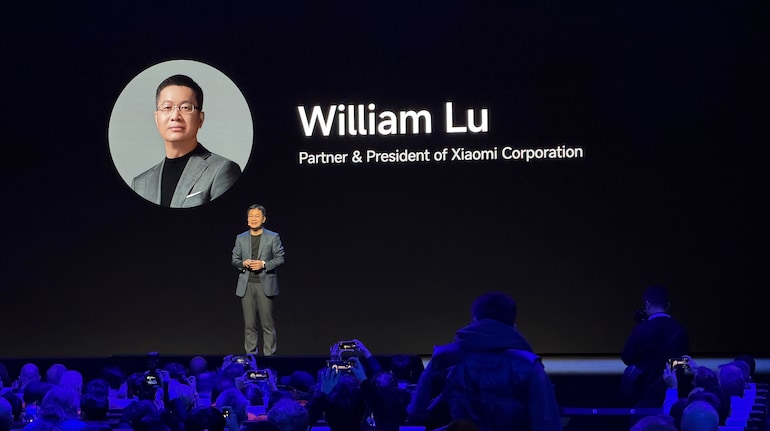
President William Lu positioned the launch as part of a larger transformation story — one that he described as “a year of change and success” for the company. Financially, he said, 2025 marked one of Xiaomi’s strongest performances yet, with revenue crossing €55 billion — a record for the company.
Lu underscored Xiaomi’s continued investment in core technologies, including chipsets, operating systems and AI models, revealing that the company will invest more than €24 billion over the next five years to strengthen its foundational capabilities.
At the heart of both smartphones sits Qualcomm’s Snapdragon 8 Elite Gen 5 processor, built on a 3nm process node. The chipset is designed to push high-efficiency performance while doubling down on integrated AI capabilities, a direction that underscores Xiaomi’s ambition to compete not just on raw power but on-device intelligence. The devices ship with HyperOS 3, based on Android 16, with the company promising smoother animations, tighter ecosystem integration, and a more fluid cross-device experience across Xiaomi’s expanding product portfolio.
The standard Xiaomi 17 comes with a 6.3-inch 1.5K OLED display featuring a 120Hz refresh rate, targeting users who want flagship-grade visuals in a relatively compact form factor. One of its headline features is a massive 6,330mAh battery — unusually large for this segment — paired with 100W wired and 50W wireless fast charging. The combination suggests Xiaomi is leaning heavily into endurance as a differentiator in a premium market where battery anxiety remains a key consumer concern.
The Xiaomi 17 Ultra pushes the envelope further, particularly in memory and storage configurations, offering up to 16GB of RAM and a substantial 1TB of internal storage. The Ultra branding signals Xiaomi’s continued focus on power users such as creators, gamers and professionals.
In imaging and design, Xiaomi is expected to position the 17 Ultra as the halo device of the lineup, reinforcing its premium build language and camera-first narrative.
During his keynote, Lu emphasized that Xiaomi is now the only company globally operating a fully integrated ecosystem spanning smartphones, AIoT devices and electric vehicles — covering product development, manufacturing and R&D. The company has maintained its position as the world’s No. 3 smartphone brand for five straight years, while also leading globally in wearables and ranking among the top five tablet brands.
In electric vehicles, Lu said Xiaomi’s performance has surpassed expectations. By the end of 2025, the company had delivered over 500,000 vehicles, a milestone he described as remarkable for a relatively new entrant in the automotive industry.
Artificial intelligence was another major pillar of the address. Xiaomi’s AIoT platform now supports more than 1 billion connected devices worldwide. The company has also expanded its large home appliance portfolio globally, introducing washing machines, refrigerators and air conditioners to new markets.
Moneycontrol on January 6 reported that Xiaomi was stepping up headquarters-level support for its India business as it pivots towards mid- and premium-priced smartphones, with global executives reiterating the country’s strategic importance. The additional support could include increased manpower and entry into new product categories as Xiaomi looks to regain momentum in one of its key overseas markets.
The company is also evaluating a broader launch of its Internet of Things (IoT) portfolio in India, with a global team member currently on the ground to drive expansion.
Xiaomi is now positioning itself as a full-fledged IoT ecosystem player, with 15–18% of its revenue already coming from non-smartphone categories. The company plans a broader reset in 2026 with a stronger smartphone portfolio spanning Rs 7,000 devices to flagship models, alongside expansion into categories such as tablets, wearables and smart home products.



Discover the latest Business News, Sensex, and Nifty updates. Obtain Personal Finance insights, tax queries, and expert opinions on Moneycontrol or download the Moneycontrol App to stay updated!
Find the best of Al News in one place, specially curated for you every weekend.
Stay on top of the latest tech trends and biggest startup news.