






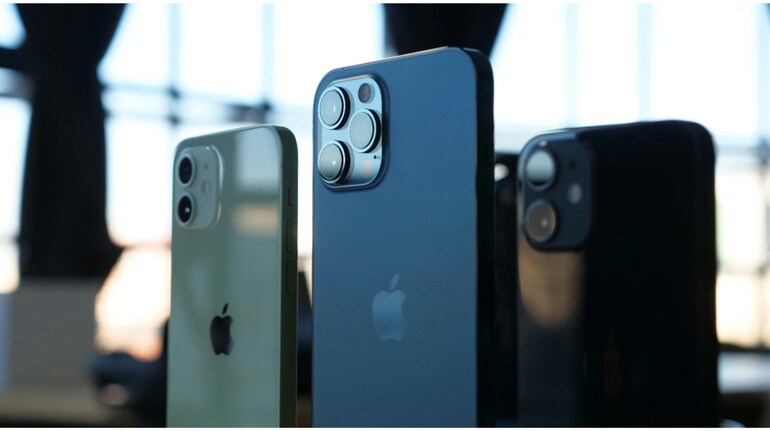

Smartphones around the world are becoming more expensive, and people are still buying them. In the last quarter of 2025, the average price of a smartphone sold globally crossed $400 for the first time in a single quarter.
To put that in perspective, $400 works out to roughly Rs 38,000. This means the average phone being sold worldwide now costs close to what many people still consider a premium price.
According to a report by Counterpoint Research, global smartphone revenue touched $135 billion between October and December 2025, the highest ever for any quarter. Compared to the same period a year earlier, revenues grew by 7 percent. At the same time, smartphone shipments grew by 4 percent, showing that while people are buying slightly more phones, they are spending much more on each one.
A big reason for this is that more buyers are choosing higher-priced phones. Many people upgraded to newer and more expensive models during year-end sales and the holiday season. Easy payment options and exchange offers also made it simpler to spend more than before. On top of this, the cost of making smartphones has increased, which has pushed prices up further.
Apple benefited the most from this shift. The company led the global smartphone market in terms of revenue, taking more than half of the total share during the quarter. Strong demand for the iPhone 17 series helped Apple grow its smartphone revenue by 11 percent compared to last year. Sales were strong in regions such as China, North America, and Latin America. The most expensive Pro Max version of the iPhone saw particularly high demand, helping Apple post one of its strongest year-end quarters in recent years.
Samsung remained the second-largest smartphone brand by revenue. The company saw the fastest growth in phone shipments among the top five brands, with volumes rising 17 percent year-on-year. This growth came mainly from its Galaxy A series, which sells in large numbers across regions such as Latin America, Southeast Asia, the Middle East, Africa, and parts of Europe. However, because more buyers chose lower-priced models, Samsung’s average phone price fell during the quarter.
Chinese smartphone brands showed mixed results. OPPO recorded the fastest revenue growth among the top five brands, helped by stronger sales of its higher-priced phones and growing presence outside China. Vivo also saw steady growth, supported by demand in China and India.
Xiaomi had a tougher quarter. Both its sales volumes and revenue declined as rising component costs affected its affordable phone lineup. Sales dropped in key markets like China and India, and while Xiaomi did launch some higher-priced models, that was not enough to offset the overall decline.
Looking ahead, researchers expect smartphone prices to keep rising in 2026. Demand for new features, especially AI-based ones, along with higher component costs, could push prices up further. At the same time, these higher costs may slow down overall phone sales, forcing brands to focus more on selling fewer but more expensive devices rather than chasing large volumes.



Discover the latest Business News, Sensex, and Nifty updates. Obtain Personal Finance insights, tax queries, and expert opinions on Moneycontrol or download the Moneycontrol App to stay updated!
Find the best of Al News in one place, specially curated for you every weekend.
Stay on top of the latest tech trends and biggest startup news.







