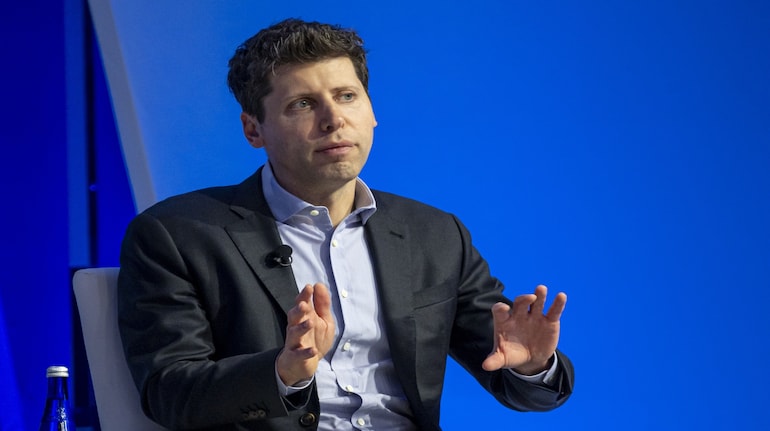

Sam Altman fielded tough questions in a wide-ranging AMA on X, addressing OpenAI’s Pentagon deal, the balance of power between governments and AI companies, and fears of nationalization. His responses shed light on how he views democratic accountability, national security, and the future relationship between Silicon Valley and Washington.
What Was the Pentagon Deal About?
Altman explained that OpenAI finalised a deal with the U.S. Department of War (formerly Department of Defense) to deploy its AI models on classified networks, partly to “de-escalate the situation” with federal leadership and the AI industry. He acknowledged the optics of the deal “don’t look good,” but said the goal was to reduce tensions and provide a framework for safer collaboration.
He also speculated that OpenAI was able to reach an agreement before competitors like Anthropic because both sides “got comfortable with the contractual language” and OpenAI may have been more aligned with operational control expectations.
Should Private Companies Decide Ethical Limits in National Security?
One of the most repeated themes in Altman’s AMA was the question of “who decides” ethical boundaries for powerful AI.
Altman argued that private companies, including OpenAI, should not be the ultimate authority on ethical national security decisions because they are not democratically accountable. “We have expertise with the technology … but I think you should be terrified of a private company deciding what to do if a nuke is coming towards the U.S.” he said, underscoring his preference for democratic oversight.
He acknowledged the tension between private innovation and public accountability and emphasised that democratic processes and governance structures should play a key role in high-stakes decisions.
Could the Government Nationalise AI Development?
While not the central focus of his AMA, Altman was asked directly about whether the U.S. government might nationalise OpenAI or other AI efforts.
He said it isn’t a scenario he sees as “super likely on the current trajectory,” but stressed the importance of close partnerships between government and private AI companies for national and global safety. Altman emphasised that government involvement and informed oversight are critical without suggesting outright nationalisation is imminent.
Public Perceptions About Safety and National Security
Altman noted that many people take national security and safety for granted and may underestimate the effort required to uphold them. His AMA responses suggested that while safety is a shared concern, achieving and maintaining it — especially in the context of AI — is complex, requiring both technical safeguards and broad societal engagement.
Balancing AI Progress and Public Trust
Over the course of the AMA, Altman acknowledged difficult optics and potential criticisms of the Pentagon deal but also expressed optimism about productive industry-government relationships. He framed the agreement as an attempt to de-escalate conflict and set a precedent for terms that could be extended to other AI labs.
Overall, the session revealed Altman’s cautious stance on private firms unilaterally setting ethics rules for national security, his belief in democratic oversight, and the nuanced challenges of aligning AI innovation with public safety concerns.


Discover the latest Business News, Sensex, and Nifty updates. Obtain Personal Finance insights, tax queries, and expert opinions on Moneycontrol or download the Moneycontrol App to stay updated!
Find the best of Al News in one place, specially curated for you every weekend.
Stay on top of the latest tech trends and biggest startup news.