






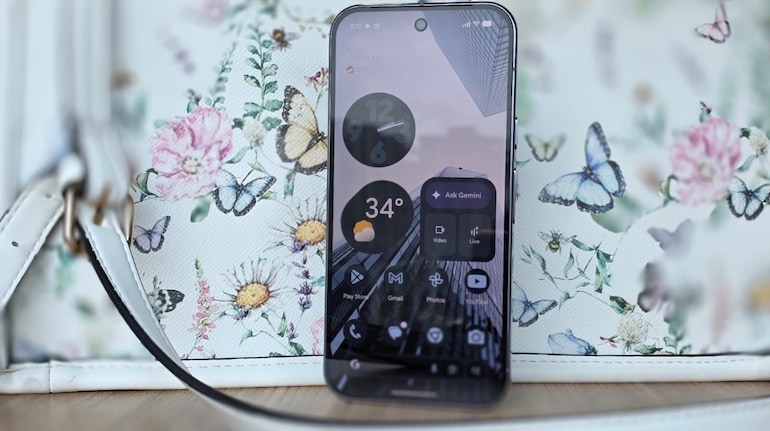
For years, buying a Pixel meant buying the “camera phone.” It didn’t matter if the hardware looked dated, the battery underwhelmed, or the specs fell behind Samsung and Apple. The magic was in the lens: Google’s computational photography made sure your shots came out sharp, vivid, and almost unfairly good compared to the competition. That identity is shifting. With the Pixel 10 Pro, Google has quietly stopped trying to be the king of smartphone cameras. Instead, it wants to be the king of AI.
And that’s the big story here. The 10 Pro still looks like last year’s phone, still takes excellent photos, and still plays in the same league as the iPhone 17 Pro and Galaxy S25. But the real energy this time is in the software and the new Tensor G5 chip that powers it. This is less about the lens and more about the brains. Whether that’s enough to make it the best Android flagship of 2025 is another question.
Design: polished, predictable, unexciting
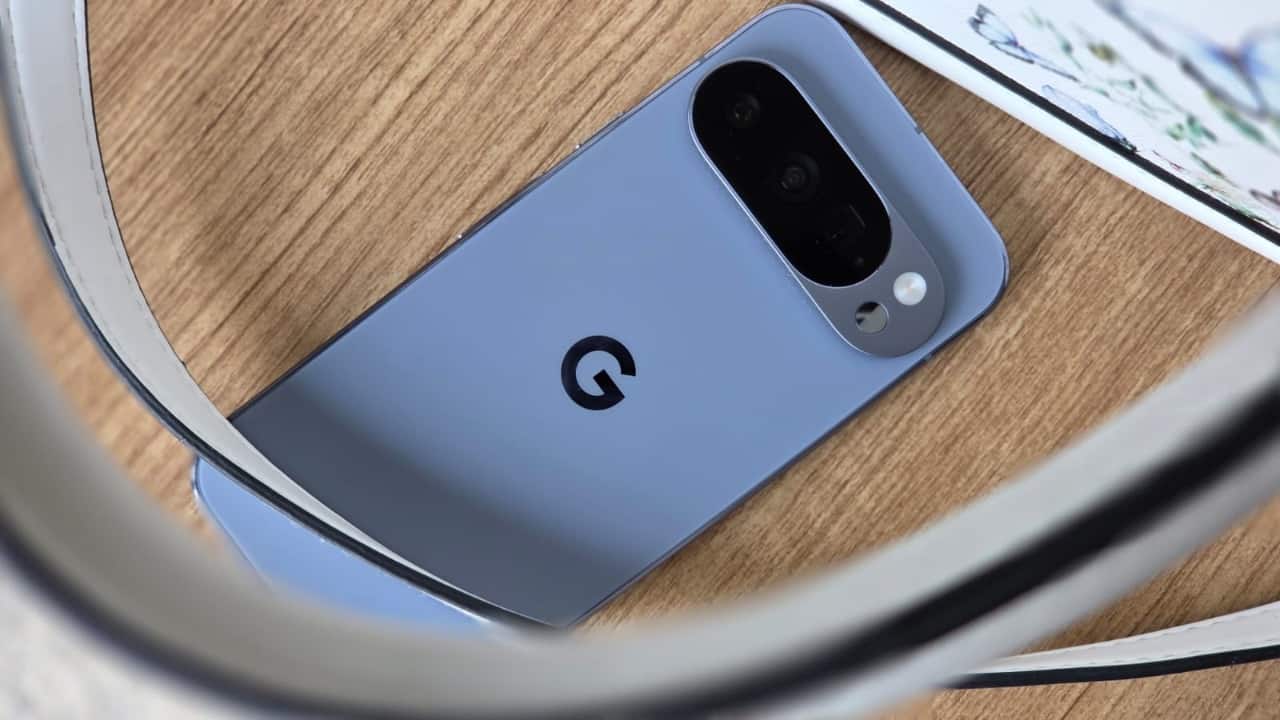
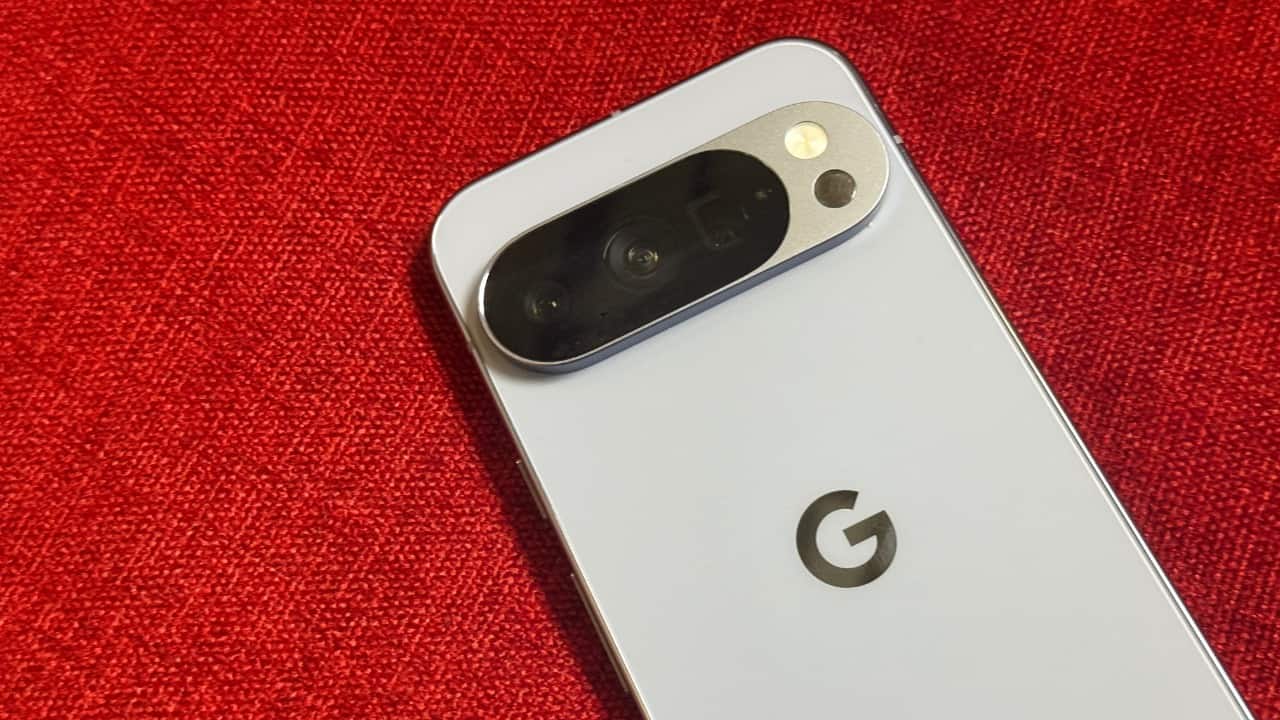
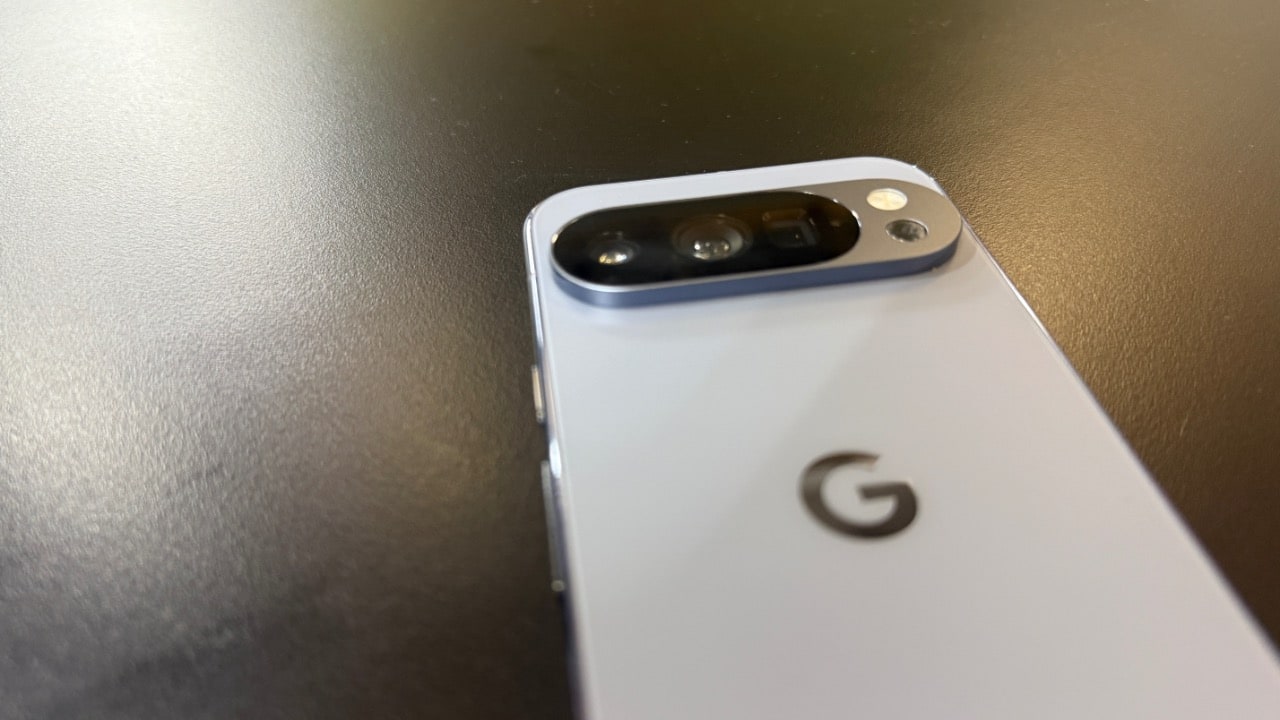
At a glance, you’d struggle to tell the Pixel 10 Pro apart from the 9 Pro. The dimensions are almost identical, down to a fraction of a millimetre. It’s slightly heavier — eight grams more — but unless you’re weighing it in the palm of your hand, you won’t notice.
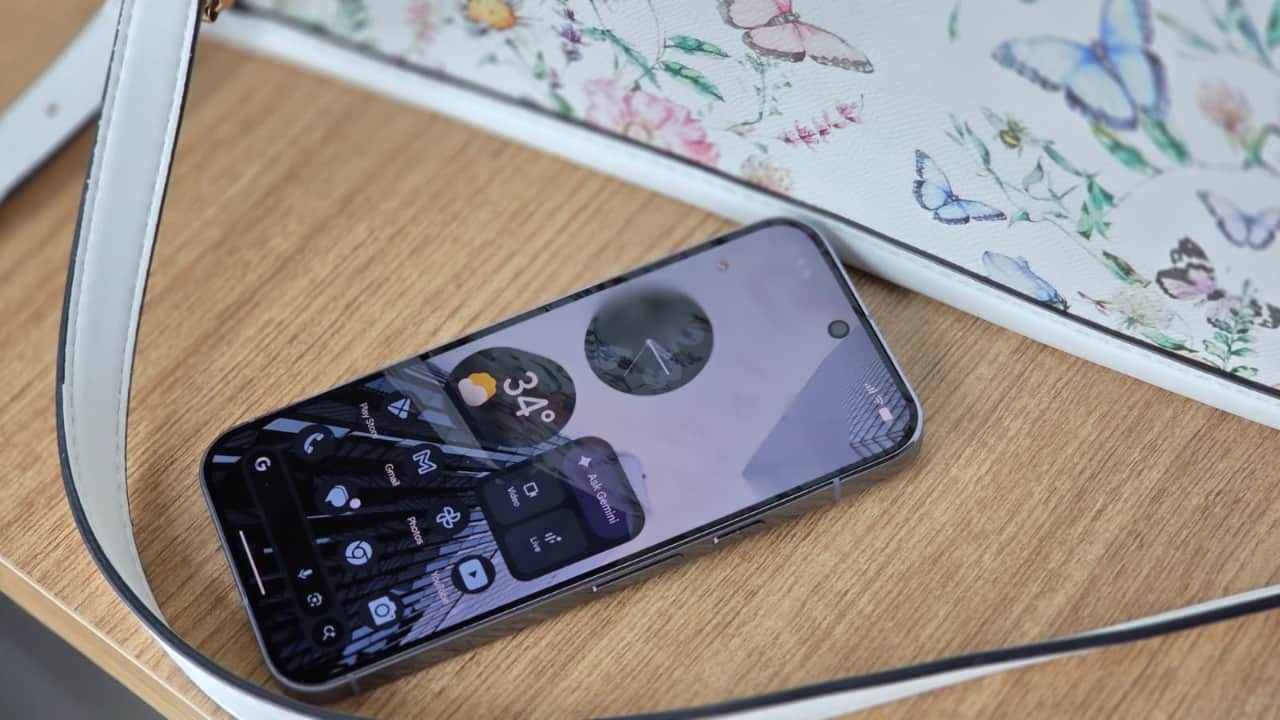
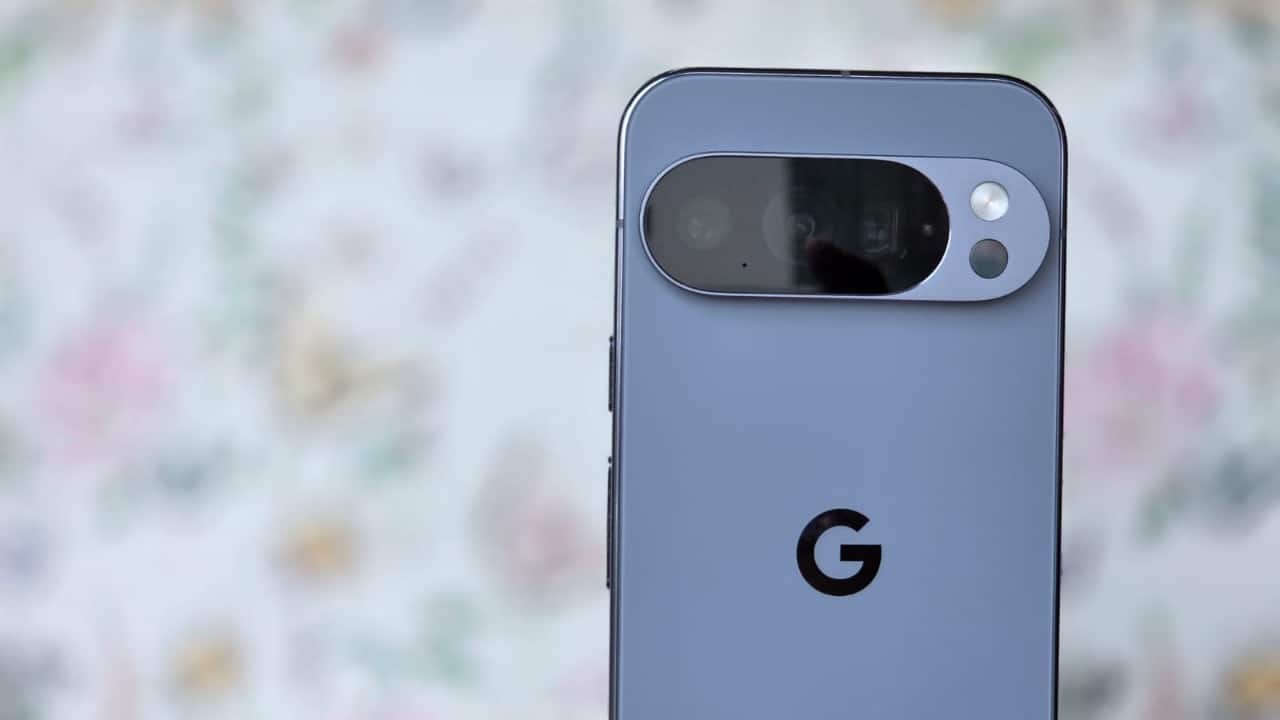

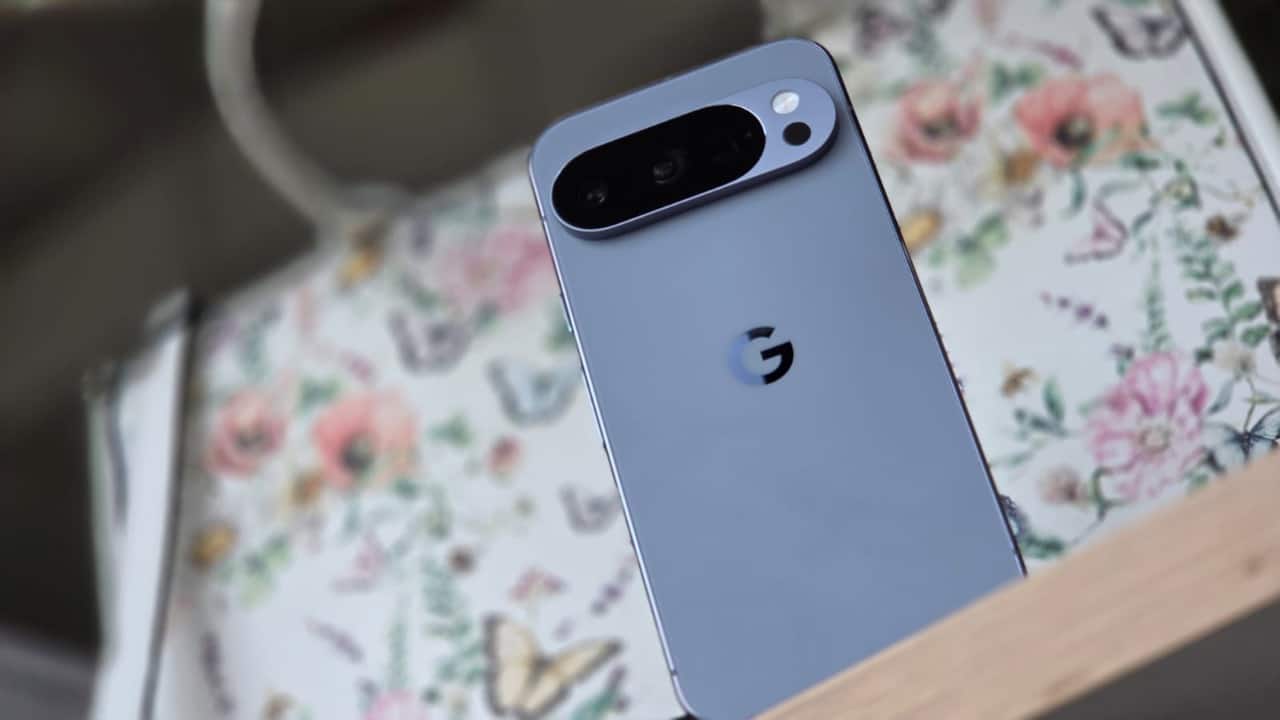
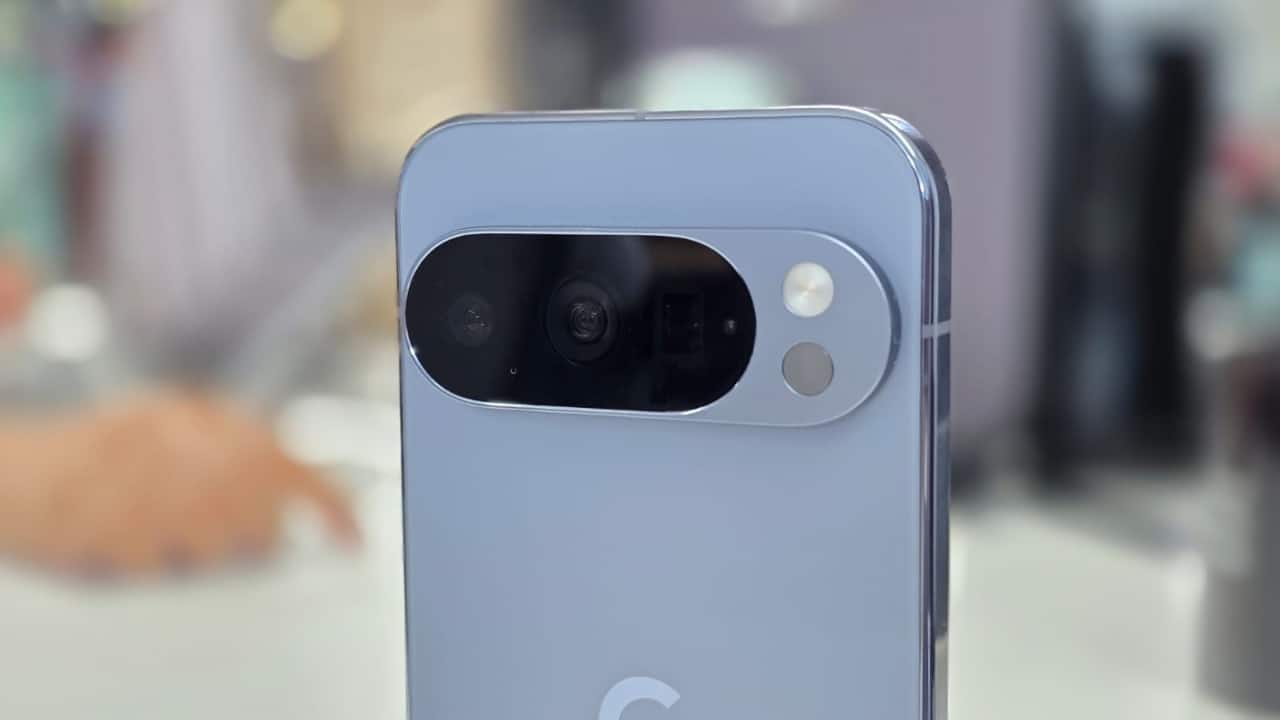
The camera bar is back, stretching across the rear in the same way it has since the Pixel 6. Google is clearly sticking with the formula, even if some of us are getting a little bored of it. New colour options — Moonstone (a greyish silver) and Jade (a fresh green) — are the only real visual cues that you’re holding the latest model.
Build quality is solid, of course. Aluminium frame, Gorilla Glass Victus 2 front and back, the same modern flat edges that make it feel more iPhone-like than older Pixels. It’s handsome, but not groundbreaking. The Pixel 10 Pro isn’t trying to turn heads; it’s trying to keep you inside the Google ecosystem.
Display: brighter, faster, flawless
If Google didn’t tinker with the design, it didn’t need to mess with the display either. The 6.3-inch OLED is still one of the best in the business: LTPO panel, up to 120Hz refresh, and now capable of a blinding 3,300 nits peak brightness. That’s 300 more than last year, and yes, you notice it outdoors.
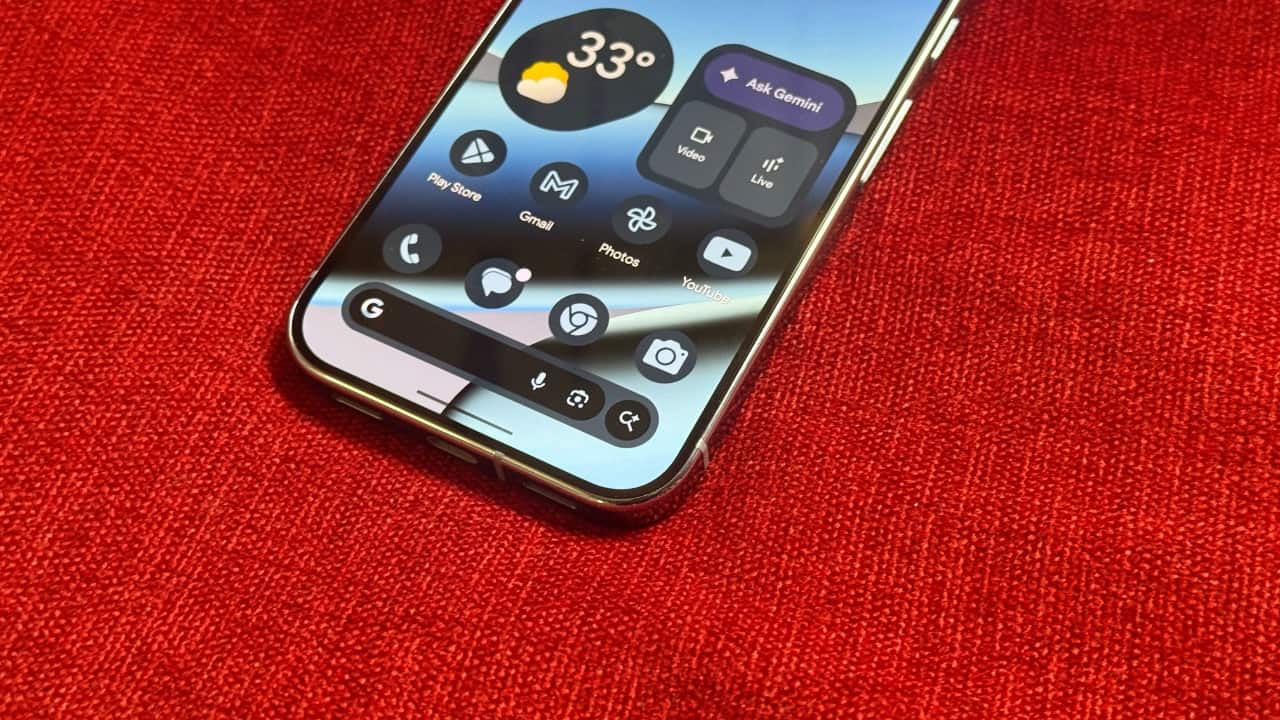
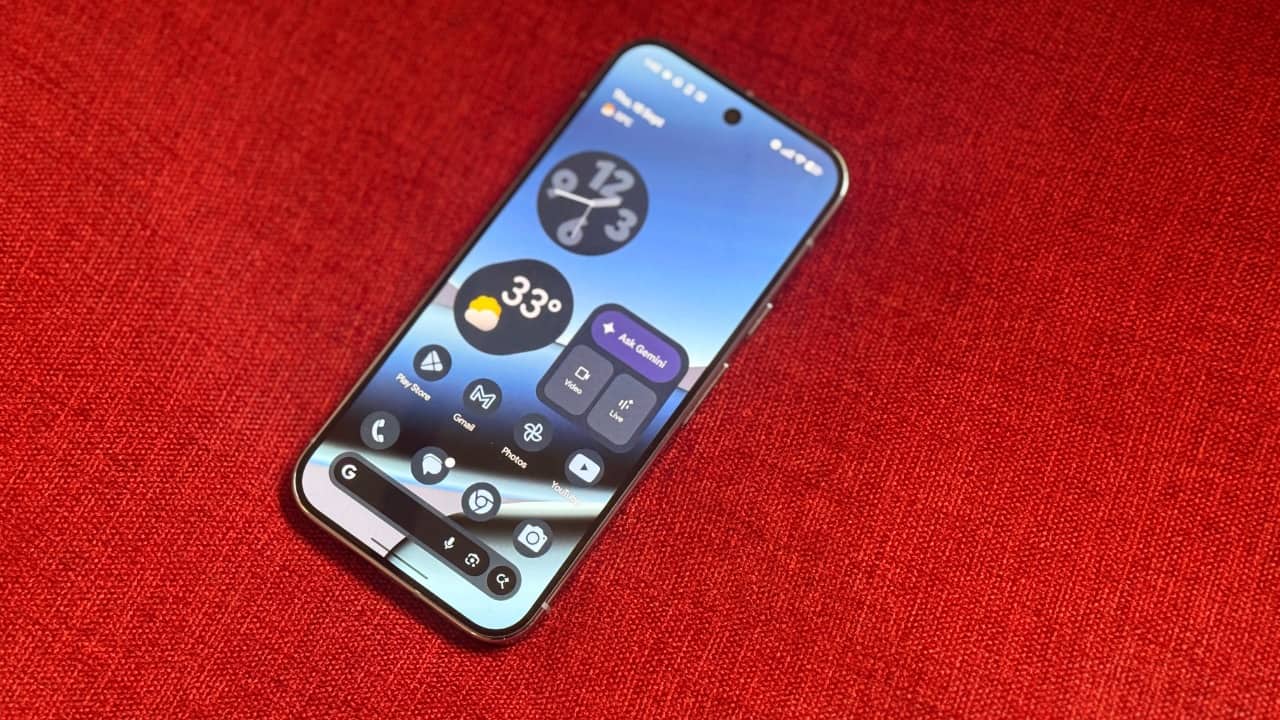
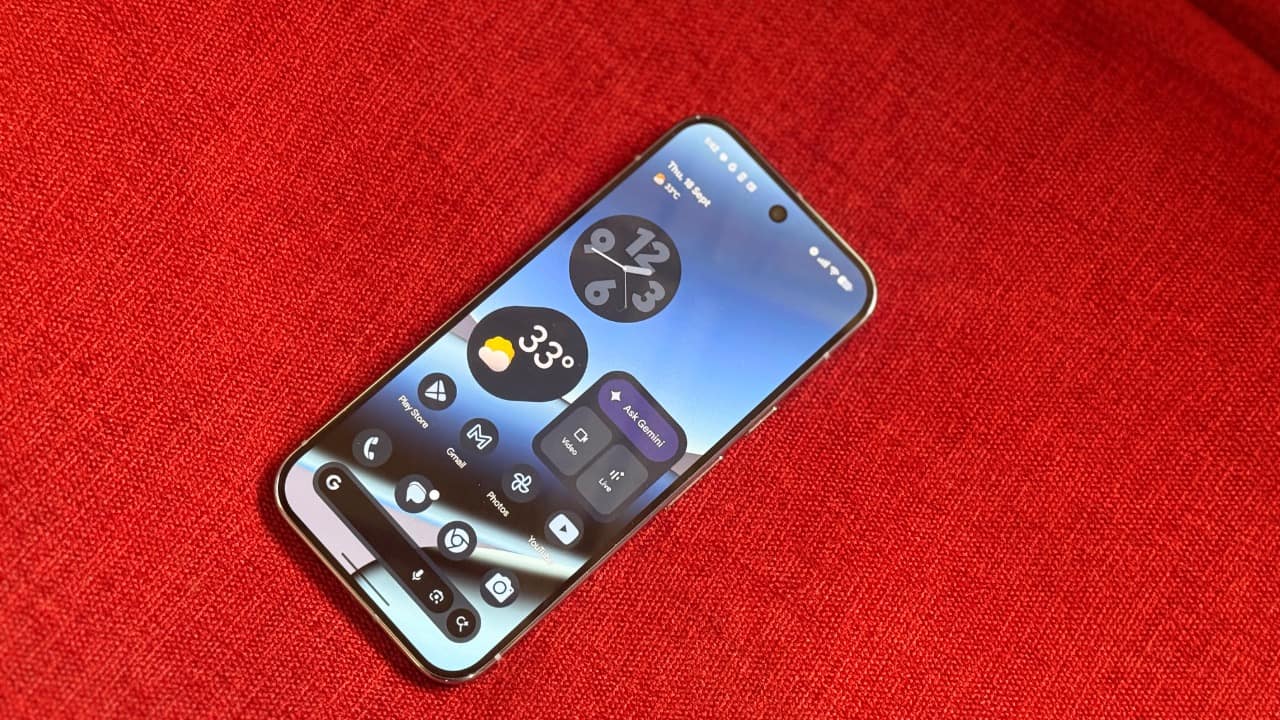
In tests, the panel delivered nearly 3,000 nits at 20% APL and 2,159 nits at full white. Translation: one of the brightest phones on the market. Colour accuracy is excellent, minimum brightness is pleasingly low for bedtime scrolling, and touch response is butter-smooth.
No complaints here. If you want to nit-pick, it’s essentially the same screen as last year — but when “last year” already set a high bar, it’s hard to complain.
Cameras: still great, but no longer the best
Here’s where things get interesting. Pixel phones built their reputation on cameras, and while the Pixel 10 Pro is still one of the most capable shooters around, the gap has closed — and in some areas, rivals have leapt ahead.
Hardware-wise, nothing has changed. The main 50MP sensor, 48MP ultrawide, and 48MP telephoto with 5x optical zoom are all recycled from the Pixel 9 Pro. Even the 42MP selfie camera is the same. Google clearly decided to rest on its laurels.
Yes, the results are still excellent. The main camera captures detail-rich shots in almost any light, ultrawide doubles as a solid macro lens, and the telephoto gives you crisp 5x and usable 10x shots. But then you look over at Samsung’s Galaxy S25 Ultra, or even the likes of Vivo X series or Oppo Find X series, with its computational wizardry, and you realise: Google doesn’t own the camera crown anymore.










What’s new is the AI sprinkle. The Pixel 10 Pro can zoom all the way to 100x using a local generative AI model that fills in missing detail. The results? Impressive in the right conditions — buildings, cars, trees — but hit-and-miss with anything unpredictable. Faces and text often come out warped or alien. You can almost see the pixels being hallucinated.
There’s also Best Take (now automatic), Add Me, and the new AI Camera Coach, which teaches you how to frame better shots. Nice touches, but they don’t hide the fact that hardware hasn’t moved forward. If you care only about raw photography, this isn’t the undisputed champ anymore.
Performance: finally catching up
The real leap this year is under the hood. Google ditched Samsung’s foundries and moved Tensor production to TSMC. The new Tensor G5 is the company’s most ambitious chip yet, with a claimed 34% CPU performance boost and a 60% jump in TPU (the bit that handles AI).
In practice, the phone feels faster, smoother, and more stable. The Tensor G series has always lagged behind Qualcomm’s Snapdragon in benchmarks, but Google doesn’t care about raw numbers. It cares about what AI can do on-device. And the G5 finally feels like it has the horsepower to back that up. Having said that, the Tensor G5 still lags behind the A18 found in the iPhone 16 models.
Software: AI in every corner
Pixel 10 Pro ships with Android 16 and Google’s bold promise of seven years of updates, stretching into 2032. The UI is colourful, playful, and familiar if you’ve used a recent Pixel. But the real difference is how much of it is now powered by Gemini Nano, Google’s smallest AI model that runs entirely on-device.
The headline feature is Magic Cue. Think of it as a proactive assistant that pulls context from your Google account and whatever you’re doing on your phone. Call a business? Magic Cue might pop up your latest email with that business, ready to reference. Call an airline? Your flight info is already on-screen. It works locally, storing only ten days of data, which is a smart privacy compromise.
Then there’s Gemini Live, which can have full back-and-forth voice conversations and even see what’s on your screen or camera. Need to cook with what’s in your fridge? It can whip up recipes. Need help fixing a gadget? Point the camera at it, and Gemini Live tries to guide you.
On the photo side, Ask Photos lets you edit pictures by talking to your phone: “brighten the background” or “fix the colours.” And Camera Coach quietly analyses your scene and offers suggestions.
None of these features alone are must-haves yet, but together they show the shift. Google is betting the Pixel’s future not on sharper photos, but on AI as the operating glue of the smartphone.
Should you buy it?
The Pixel 10 Pro is a fascinating phone because it marks a philosophical shift. Google isn’t gunning for the “best camera phone” badge anymore — that crown has already slipped. Instead, it’s chasing the “AI phone” title. The hardware upgrades are minor, the design is recycled, and the cameras don’t wow the way they used to. What Google is really selling you this year is software — a mix of clever and sometimes gimmicky AI features made possible by the new Tensor G5 chip.
Now, here’s the catch. The Pixel 10 Pro starts at Rs 1,09,900 in India. That’s firmly “premium” territory, and for many Indians, “premium” still translates to iPhone. At this price, the Pixel isn’t just competing with Samsung and Apple on specs; it’s up against an entrenched cultural perception that if you’re spending over a lakh, you buy an iPhone.
So, who should buy it? If you want the smartest Android phone — one that feels proactive, that can guess what you need before you ask — this is it. But if your priorities are the best camera, the longest battery life, or the most luxurious hardware, you’ll find better options elsewhere.
The Pixel 10 Pro isn’t about what’s in the frame anymore; it’s about what’s happening around it. Google has shifted the centre of gravity from the lens to the AI brain. Whether that’s enough to convince Indian buyers to spend iPhone money on a Pixel is the real question.


Discover the latest Business News, Sensex, and Nifty updates. Obtain Personal Finance insights, tax queries, and expert opinions on Moneycontrol or download the Moneycontrol App to stay updated!
Find the best of Al News in one place, specially curated for you every weekend.
Stay on top of the latest tech trends and biggest startup news.






