






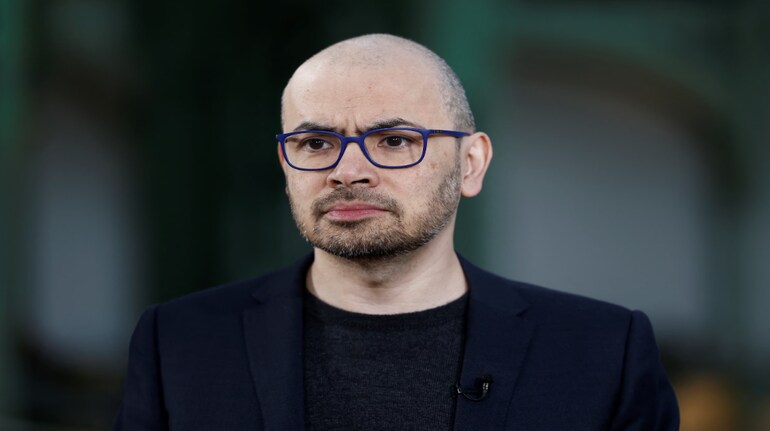

Google’s top AI executive Demis Hassabis has openly questioned the logic behind OpenAI’s plan to introduce advertising in ChatGPT, highlighting what he described as a major irony in the company’s public messaging around artificial general intelligence. Speaking at the World Economic Forum 2026 in Davos, Hassabis suggested that OpenAI’s actions do not fully align with its repeated claims that AGI is just around the corner.
Hassabis, who leads Google DeepMind, responded to recent comments and decisions from OpenAI CEO Sam Altman. OpenAI announced earlier this month that it will begin testing ads inside ChatGPT in the coming weeks, a move that immediately sparked debate across the technology industry. For Hassabis, the timing of that decision raises uncomfortable questions.
He said that actions speak louder than words and questioned why a company would focus on advertising if it truly believed AGI was imminent. In his view, pushing ads into a conversational AI product suggests a need to shore up near-term revenue rather than confidence in a world-changing technological breakthrough arriving any day now. Hassabis added that this is a reasonable question to ask, especially given the bold public statements made about the pace of AI progress.
Hassabis also made it clear that Google does not currently plan to introduce ads into its own Gemini app. He said the company will closely watch how ChatGPT’s ad experiment plays out, signalling that Google is taking a wait-and-see approach rather than rushing to monetise its consumer-facing AI tools in the same way.
During the discussion, Hassabis described the move to ads as a premature revenue push. He noted that it is interesting OpenAI has gone down this path so early in the life of conversational AI products, suggesting the company may feel pressure to generate more income. That pressure has become a recurring theme in recent commentary around OpenAI’s finances.
In late 2025, analyst and professor Scott Galloway warned that OpenAI was facing serious financial management challenges, describing the situation as a potential trainwreck. More recently, investor George Noble claimed the company appears to be falling apart in real time, despite its reported valuation touching $500 billion. Against that backdrop, the decision to introduce ads looks less like a strategic choice and more like a necessity.
Hassabis also directly addressed Altman’s claims that the world has already “whooshed by AGI” and is rapidly moving toward superintelligence. He rejected that idea outright, saying AGI should not be reduced to a marketing term or used primarily for commercial advantage. According to Hassabis, AGI has always had a scientific definition that goes far beyond current systems.
He described true AGI as a system capable of exhibiting the full range of human cognitive abilities, including the highest levels of creativity seen in great scientists and artists. Solving a maths problem or answering questions convincingly is not enough. An AGI system, in his view, would need to generate entirely new ideas and breakthrough insights, something current models are still far from achieving.
Hassabis said he believes the industry is still five to ten years away from reaching that level of intelligence. His comments underline a growing divide between how AI leaders talk about progress and how they choose to monetise their products. As companies race to capitalise on AI’s popularity, the tension between long-term scientific goals and short-term commercial realities is becoming harder to ignore.


Discover the latest Business News, Sensex, and Nifty updates. Obtain Personal Finance insights, tax queries, and expert opinions on Moneycontrol or download the Moneycontrol App to stay updated!
Find the best of Al News in one place, specially curated for you every weekend.
Stay on top of the latest tech trends and biggest startup news.







