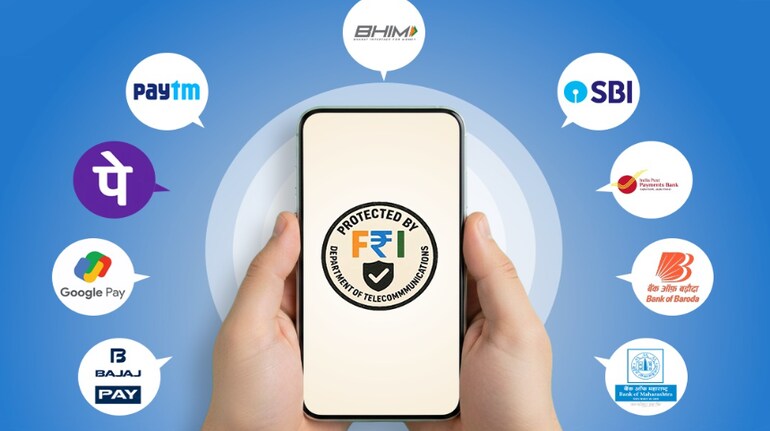

The Government of India says a backend fraud-detection system has helped prevent digital payment frauds worth Rs 660 crore in just six months. Called the Financial Fraud Risk Indicator (FRI), the mechanism works quietly across telecom and banking networks to stop high-risk transactions before money is transferred.
What is the Financial Fraud Risk Indicator (FRI)
The Financial Fraud Risk Indicator is a risk-based metric developed by the Department of Telecommunications. It identifies mobile numbers that show signs of being linked to financial fraud and categorises them as medium, high, or very high risk.
FRI draws inputs from multiple sources, including telecom service providers, banks, digital payment platforms, and reports submitted on cybercrime and fraud-reporting portals.
These signals are processed on DoT’s Digital Intelligence Platform (DIP), which allows authorised institutions to share intelligence on suspected misuse of telecom resources.
According to the government, more than 1,000 banks, third-party application providers (TPAPs), and payment system operators are now onboarded on the DIP. Support from the Reserve Bank of India and the National Payments Corporation of India has played a key role in scaling adoption across the banking and UPI ecosystem.
How FRI prevents financial fraud
When a user initiates a digital transaction—such as a UPI payment or mobile banking transfer—the system checks whether the mobile number involved has been flagged under FRI. If the risk level is high, banks and payment apps can take preventive action.
This may include declining the transaction, issuing warnings, or asking for additional verification. By intervening before money leaves the account, FRI helps reduce losses from scams such as fake customer-care calls, OTP fraud, SIM-swap attacks, and account takeovers.
The DoT says this approach helped prevent losses of around Rs 660 crore within six months of FRI’s rollout in May 2025, based on reports from public sector banks, private banks, co-operative banks, and UPI platforms.
Role of citizens and Sanchar Saathi
Citizen participation is a key input for FRI. Reports submitted through the Sanchar Saathi platform—such as suspected fraud calls, fake connections, or stolen phones—feed into the overall risk assessment.
The government describes this public participation, or Jan Bhagidari, as critical in identifying patterns, blocking offending numbers, and disabling fraudulent connections at scale.
How users benefit from FRI
FRI does not require users to install a separate app or enable a manual setting. Protection works automatically in the background as long as bank accounts and UPI apps are linked to an active mobile number and used through official platforms.
As digital payments continue to grow in India, FRI represents a shift from reacting to fraud after losses occur to preventing it at the network level—helping safeguard users’ money before damage is done.


Discover the latest Business News, Sensex, and Nifty updates. Obtain Personal Finance insights, tax queries, and expert opinions on Moneycontrol or download the Moneycontrol App to stay updated!
Find the best of Al News in one place, specially curated for you every weekend.
Stay on top of the latest tech trends and biggest startup news.