






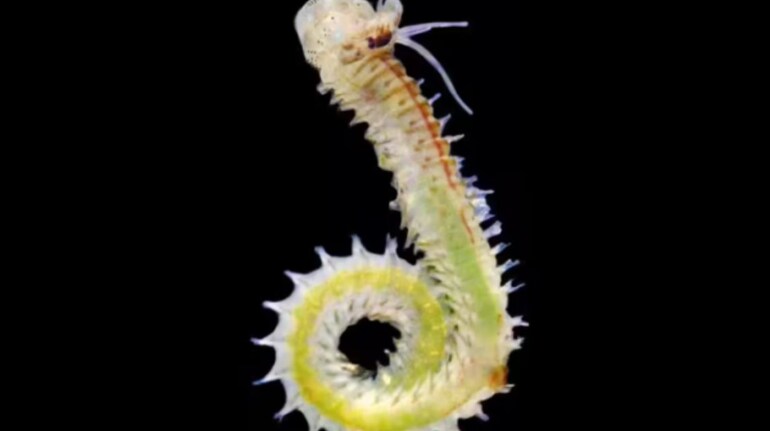

Scientists have discovered two new species of marine worms recently. The discovery occurred off the coast of West Bengal, India. Even human‑impacted mudflats and docks can hide rich biodiversity. Researchers from the Zoological Survey of India led the study. The findings reveal resilience and surprises in marine ecosystems.
Who is behind the discovery?
The Zoological Survey of India led this recent discovery. Researchers worked with international experts to explore Bay of Bengal. They collected specimens from mudflats, mangroves and dock pilings. Fieldwork revealed habitats that appear harsh and human‑impacted. Their careful study identified two species previously unknown to science. Collaboration ensured both accurate taxonomy and detailed ecological documentation.
What this research highlight in Science?
Researchers highlighted how extreme environments reveal species’ unique adaptations. Such discoveries expand knowledge of India’s marine life significantly. They called for further surveys to uncover hidden species. Coastal ecosystems may hide unexpected biodiversity surprises. Even polluted mudflats could host resilient species thriving quietly.
Do these species have any speciality of their own?
The first worm, Namalycastis solenotognatha, has channeled jaws. It survives in sulphide-rich, smelly mudflats rarely explored.
The second, Nereis dhritiae, lives on submerged wooden dock pilings. Both belong to polychaete family Nereididae, key marine worms.
They adapt to extreme or human-altered coastal environments. Each species shows resilience, morphology and ecological uniqueness.
Are there more worms to be researched?
Scientists believe many species remain undiscovered in Bay of Bengal. Polluted and mangrove habitats are still largely unexplored scientifically. Each new survey could reveal more resilient and unique worms. Polychaetes are diverse; many may serve ecological functions unnoticed.
How these worms are beneficial for nature and humans?
These worms improve sediment aeration and nutrient cycling naturally. They enhance soil and water quality for other marine life. Healthy ecosystems benefit fisheries and coastal livelihoods indirectly. By surviving polluted areas, they indicate ecosystem resilience levels.
Any plans for conservation of these worms?
Researchers emphasise habitat protection as the first conservation step. Mudflats, mangroves, and coastal zones are under human stress. Bioindicator species like these worms can guide environmental management. Conservation plans could ensure survival of both worms and ecosystems. Educating locals about ecological importance may support long-term protection.
Discover the latest Business News, Sensex, and Nifty updates. Obtain Personal Finance insights, tax queries, and expert opinions on Moneycontrol or download the Moneycontrol App to stay updated!
Find the best of Al News in one place, specially curated for you every weekend.
Stay on top of the latest tech trends and biggest startup news.





