






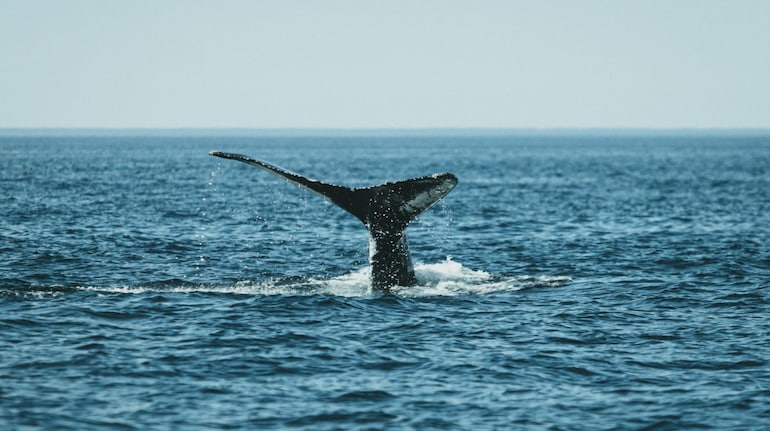

For more than three decades, scientists have tracked an unusual whale call detected in the Pacific Ocean, sparking enduring questions about a mysterious animal whose voice breaks known acoustic patterns.
A whale call that puzzled scientists
The mystery began in 1989 using United States Navy hydrophones. Analysts expected routine whale sounds within familiar frequency ranges. Instead, one recurring call stood apart from known species. The sound registered consistently at 52 hertz frequency. That pitch was significantly higher than blue whales. Fin whales also vocalise at much lower frequencies. The call appeared whale-like but acoustically unusual. Scientists soon realised the signal was not equipment error. Repeated recordings confirmed the same frequency pattern. The unexplained call triggered long-term scientific monitoring efforts.
Researchers from Woods Hole Oceanographic Institution followed recordings carefully. They tracked the sound for more than 12 years. The calls appeared across the Pacific Ocean region. They were mostly detected between August and February. Peak detections occurred during December and January months. The whale then disappeared beyond recording range. Scientists believe the sound came from one whale. Their paper noted no overlapping calls were recorded. That suggested a single individual producing the signal.
What could explain the strange frequency
Despite years of monitoring, the whale was never seen. Its species remains unidentified by researchers. Even the whale’s sex is completely unknown. Locating one whale in vast oceans proved impossible. Scientists proposed several theories explaining the unusual call. One theory suggests a physical vocal abnormality. Another suggests hybrid ancestry between whale species. Some speculate a blue and fin whale hybrid. Such hybrids are sometimes called flue whales. Each theory remains unproven without visual confirmation.
The unusual frequency raised deeper biological questions. Could other whales even hear this call. Baleen whales communicate using specific frequency ranges. A mismatch could affect social interactions underwater. This uncertainty sparked widespread public curiosity worldwide. Many wondered whether the whale was isolated. That speculation shaped its enduring public nickname. It became known as the loneliest whale. Scientists caution against emotional assumptions about animals. There is no evidence whales experience loneliness like humans.
Cultural impact and unanswered questions
Despite scientific caution, the story captured global imagination. A South Korean band BTS referenced it musically. Their song Whalien 52 drew emotional inspiration. In 2021, a documentary explored the mystery. The film examined whale communication challenges underwater. It also highlighted rising ocean noise pollution. Shipping activity increasingly disrupts marine acoustic environments. These disturbances complicate whale tracking and communication studies.
At present, nobody has ever seen Blue 52. Blue whales can live nearly 90 years. That leaves possibility of future sightings. Until then, questions about this whale remain. Scientists continue studying ocean acoustics globally. Blue 52 remains a symbol of ocean mystery. Its solitary song continues echoing through scientific curiosity.
Discover the latest Business News, Sensex, and Nifty updates. Obtain Personal Finance insights, tax queries, and expert opinions on Moneycontrol or download the Moneycontrol App to stay updated!
Find the best of Al News in one place, specially curated for you every weekend.
Stay on top of the latest tech trends and biggest startup news.





