






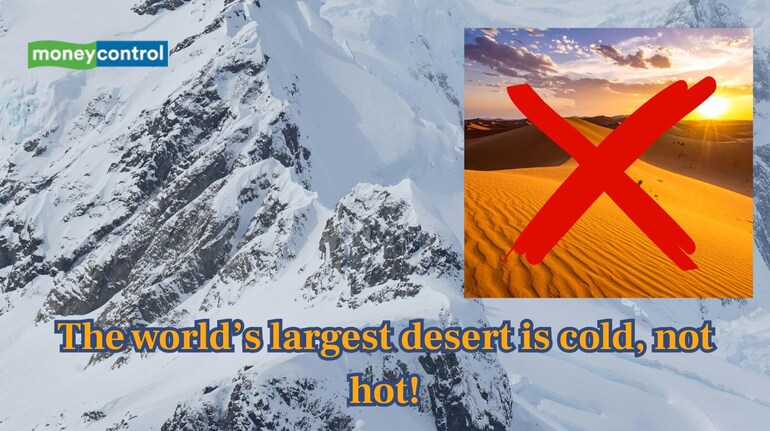

The largest desert on Earth is not the Sahara. It is Antarctica, vast, white and brutally dry. This frozen continent qualifies because deserts mean extreme dryness. Temperature does not define deserts, but annual rainfall does. Antarctica receives less precipitation than many scorching sandy regions. This makes it officially Earth’s biggest desert by definition.
Desert Means Dry, Not Hot and Sandy
Most people imagine dunes stretching endlessly beneath burning suns. However, scientists define deserts by minimal yearly precipitation levels. Regions receiving under 250 millimetres annually are deserts.
Antarctica receives far less than that threshold yearly. Much of its interior sees almost no snowfall. It is technically colder and drier than Sahara.
Why Antarctica Is Drier Than the Sahara?
The Antarctic interior is an icy polar plateau. Moisture struggles to penetrate its frigid atmospheric system. Cold air holds little water vapour above continent. Snowfall remains rare and evaporation extremely limited.
The Sahara receives more rainfall than Antarctica annually. Yet Antarctica covers nearly 14 million square kilometres.
Life Survives At The Edge Of Extremes
Despite harshness, Antarctica is not entirely lifeless. Most wildlife gathers along comparatively milder coastal fringes. Penguins, seals and seabirds dominate marine ecosystems.
The frozen interior supports almost no complex organisms. Microbes survive within ice and beneath rocky surfaces. Life here adapts to cold, dryness, and isolation.
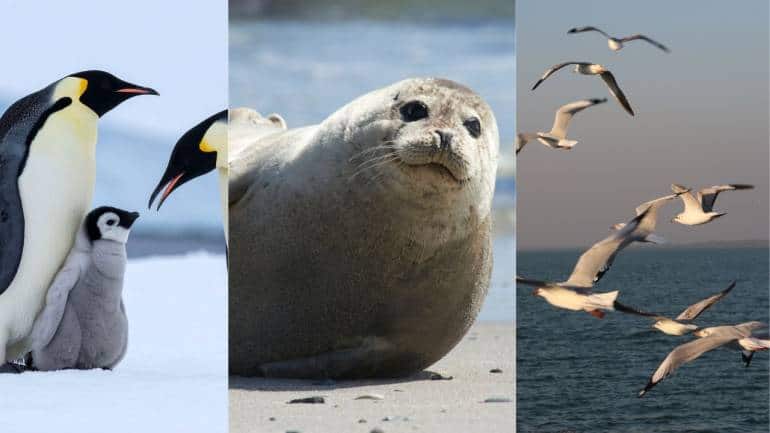 Penguins, seals and seabirds dominate marine ecosystems. (Image: Canva)
Could Antarctica Stop Being a Desert?
Antarctica is classified desert because snowfall remains extremely limited. Desert status depends on dryness, not freezing temperatures. Climate change is altering Antarctic weather patterns gradually. Scientists expect shifts, but not sudden transformation.
Antarctica is unlikely losing desert title soon. Even with warming oceans and melting edges, the continent’s core stays exceptionally cold and dry. For now, Earth’s largest desert remains frozen solid.
A Frozen Giant Changing Our Perspective
Understanding Antarctica as desert challenges familiar geography lessons. It forces reconsideration of textbook images and assumptions. Climate researchers monitor its dryness and shifting ice.
Global warming may alter snowfall patterns gradually. Even deserts of ice respond to atmospheric change. The largest desert on Earth remains astonishingly misunderstood.
Discover the latest Business News, Sensex, and Nifty updates. Obtain Personal Finance insights, tax queries, and expert opinions on Moneycontrol or download the Moneycontrol App to stay updated!
Find the best of Al News in one place, specially curated for you every weekend.
Stay on top of the latest tech trends and biggest startup news.





