






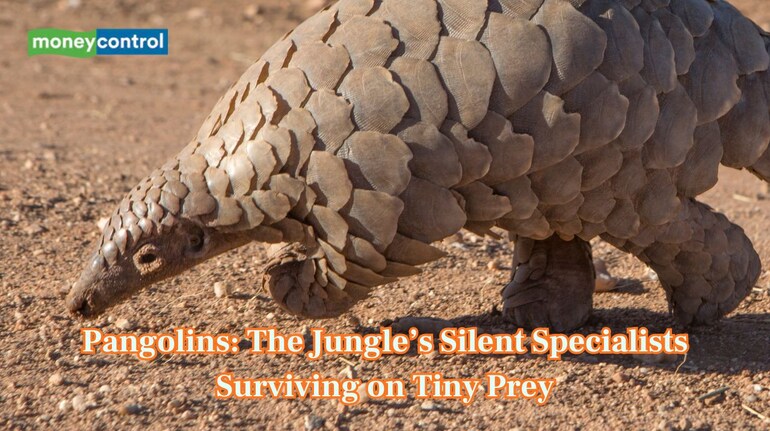

Deep in Asia and Africa, pangolins roam the dense jungle. They are covered in tough, protective, overlapping keratin scales. This species survives almost entirely on ants and termites. Pangolins use their long, sticky tongues to extract insects. They are mostly nocturnal and extremely elusive to humans. Their diet is only dependent on ting prey.
Pangolins: The Forest Ghosts
Pangolins are unique mammals, the only scaly species worldwide. Their diet is highly specialised, focusing on small insects. They weigh between two and thirty-five kilograms, depending species. Pangolins can curl into balls to avoid large predators. Local communities often call them “forest ghosts” for quiet movements.
What Do They Eat?
Pangolins feed almost exclusively on ants and termites daily. They can eat thousands of insects from a single nest. Their long tongues reach deep inside insect colonies efficiently. Pangolins have no teeth, relying on stomach muscles to grind. This extreme specialisation is rare among mammals worldwide today.
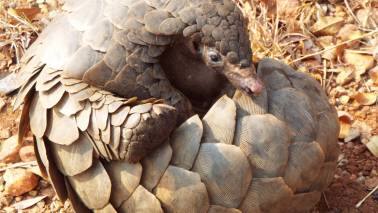 Pangolins live in tropical forests, savannas and shrublands. (Image: Canva)
Where Are They Found?
Pangolins live in tropical forests, savannas and shrublands. Asian species are in India, China and Southeast Asia. African species are found across central and southern Africa. They prefer dense forests with high insect abundance and shelter. Distribution maps show isolated populations fragmented by human activity.
How Pangolins Survive on a Diet of Tiny Prey?
Pangolins have strong claws to dig insect nests efficiently. Their thick scales act as armour against leopards and tigers. They can curl tightly, deterring attacks from many predators. A keen sense of smell helps locate hidden insect colonies.
Their specialised stomach muscles grind exoskeletons for nutrient absorption. Their long, sticky tongue reaches deep into termite mounds quickly. By eating thousands of insects, they meet energy needs efficiently.
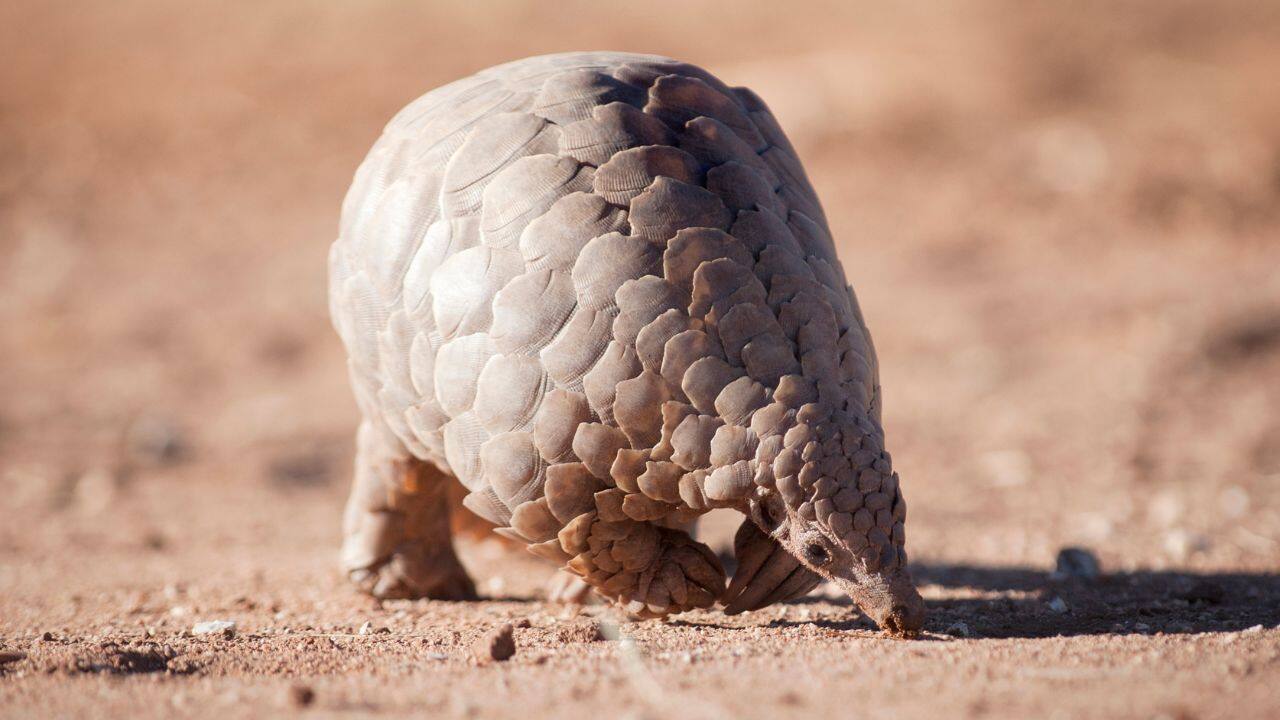 Pangolins are remarkable specialists, thriving on tiny insect prey. (Image: Canva)
Why Are Pangolins Important?
Pangolins maintain ecological balance by controlling insect populations naturally. They prevent termite and ant colonies from overrunning surrounding habitats. Their specialised diet helps scientists study evolutionary adaptation in mammals. Conservationists regard pangolins as indicators of forest ecosystem health. Protecting pangolins preserves both wildlife and local human communities.
Discover the latest Business News, Sensex, and Nifty updates. Obtain Personal Finance insights, tax queries, and expert opinions on Moneycontrol or download the Moneycontrol App to stay updated!
Find the best of Al News in one place, specially curated for you every weekend.
Stay on top of the latest tech trends and biggest startup news.





