






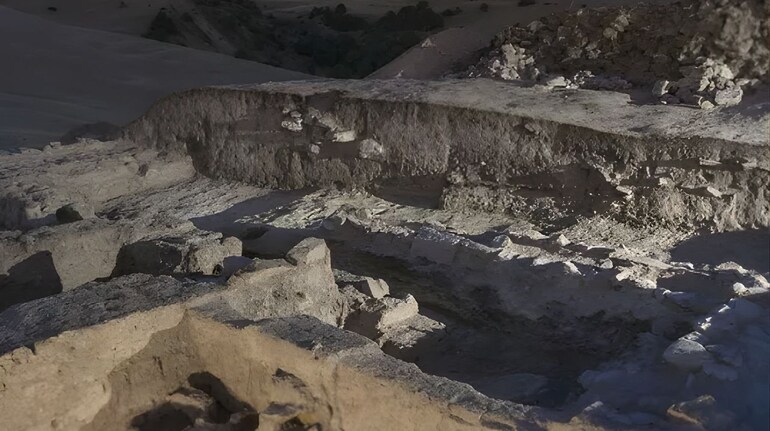

Walls conceal themselves in the mountains that are above the planet Earth. A name would linger in the works of medieval literature which was "Marsmanda". Archaeologists are now convinced that they have possibly discovered this 1500-year-old city. The location is in southeastern Uzbekistan that is above 2,000 metres above sea level.
Its rugged terrain is blown on by cold winds. But in some past century it must have flourished with industry. Was this the ancient town remembered of medieval times as the "city of iron"?
Marsmanda: City Hidden In Plain Sight
The archaeologists discovered great stone walls and terraces. They were charting regular streets and fortified buildings. The settlement covers an area of close to 120 hectares that is enormous to a mountain city. The building of this city is not on farmland, but iron.
East and West were linked with Marsmanda. It would have provided iron to the whole of Central Asia. This is according to what researchers believe. It was mentioned by the Arab geographers in the 10th century. They talked of the bustling yet cold town of the mountain.
Who was the discoverer of this city of iron?
It was found by an archaeologist known as Michael D. Frachetti. LiDAR scanning technology was applied by his team which involved drones. Structures that were concealed under vegetation and soil were exposed through lasers. The pre-modern architecture was a digital creation. The plan was in accordance with what medieval books that talked of Marsmanda is cold.
The Iron Heart Of The Mountains
Pits also revealed slags of iron slag This slag is a by-product of metal smelting. Its abundance indicates the existence of iron in a large scale. Here were furnaces and kilns raging. It was a manufacturing powerhouse at the time.
Weapons and iron tools can have been made here. They probably followed trade routes of Silk Road. The mountains were not separated landscapes. They were commercial regions connecting civilisations.
Life 2000 metres: How did people survive?
Life at an elevated altitude is never easy. Winters are also lengthy, dry and extremely cold. The seasons of farming are brief with unpredictable seasons. Sources of water may take months to thaw.
The archeologists discovered huge amounts of iron slag. This indicates that iron production was the driving force to the economy. The city was probably not dependent on agriculture but metallurgy. Iron was its blood and means of commerce.
When Science Meets History
It is a discovery that was made possible by the modern technology. LiDAR helped the researchers to look under the soil since the traditional survey would only have detected it. Inscriptions or writing are now the new search area of archaeologists.
This would ensure that the city is identified. At the moment, the match is very suggestive. Subsequent excavations will be undertaken in future. Each of the trenches might provide more explicit responses.
Why Did the City Decline?
Any successful city has turning points and Marsmanda was no exception. The directions of trade can change abruptly. Silk road networks were not fixed. Income might have crashed in case of caravan routes modified.
Climate can also be a contributory factor. Lower temperatures further lower the viability of crops. Mountain villages are particularly climate vulnerable. The political instability could have interfered with trade.
Discover the latest Business News, Sensex, and Nifty updates. Obtain Personal Finance insights, tax queries, and expert opinions on Moneycontrol or download the Moneycontrol App to stay updated!
Find the best of Al News in one place, specially curated for you every weekend.
Stay on top of the latest tech trends and biggest startup news.





