






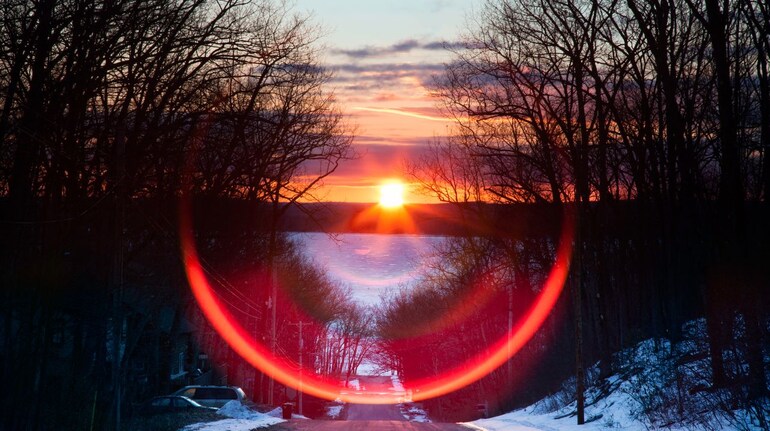
Skywatchers and scientists are preparing for the key astronomical moments of 2026, as the year’s solstices and equinoxes set the rhythm for Earth’s changing seasons across both hemispheres.
Astronomical events marking seasonal change will occur four times during 2026. These moments are defined by Earth’s position relative to the Sun. They determine when spring, summer, autumn, and winter officially begin astronomically. Times are measured in Universal Time and vary locally. Observers worldwide use these markers for calendars, science, and cultural traditions.
The spring equinox arrives on 03/20/2026 during the afternoon. At this moment, day and night are nearly equal worldwide. It marks astronomical spring in the Northern Hemisphere. Southern regions simultaneously enter autumn. This balance has long guided agriculture, festivals, and ancient calendars.
The summer solstice follows on 06/21/2026 during the morning hours. It delivers the longest day and shortest night in northern regions. Sunlight reaches its highest daily path across northern skies. Southern areas experience their shortest daylight period instead.
Autumn officially begins with the equinox on 09/23/2026 shortly after midnight. Day and night again approach equal length worldwide. Northern regions move into autumn while southern regions welcome spring. This transition often aligns with harvest traditions globally.
The winter solstice arrives on 12/21/2026 during the evening. Northern regions experience their shortest daylight hours. It marks the astronomical start of winter. Southern areas simultaneously reach their longest days.
| Event | Date | Approximate Time (UT) | Seasonal Meaning |
|---|---|---|---|
| Spring Equinox | 03/20/2026 | 14:46 | Northern spring begins |
| Summer Solstice | 06/21/2026 | 08:24 | Longest northern day |
| Autumnal Equinox | 09/23/2026 | 00:05 | Northern autumn begins |
| Winter Solstice | 12/21/2026 | 20:50 | Shortest northern day |
Astronomers use solstices and equinoxes to track Earth’s orbit precisely. Climate scientists compare daylight cycles with seasonal weather patterns. Educators use these events to explain planetary motion. Many cultures still celebrate them through rituals and festivals.
For the public, these dates offer opportunities for sky observation. Sunrise and sunset positions noticeably shift near these moments. Shadows change length and direction through the year. Such changes remind observers of Earth’s constant motion.
As 2026 unfolds, these four precise moments will quietly shape daily life, from longer evenings to darker mornings, reminding Earth’s inhabitants of their planet’s steady journey around the Sun.
Discover the latest Business News, Sensex, and Nifty updates. Obtain Personal Finance insights, tax queries, and expert opinions on Moneycontrol or download the Moneycontrol App to stay updated!
Find the best of Al News in one place, specially curated for you every weekend.
Stay on top of the latest tech trends and biggest startup news.




