






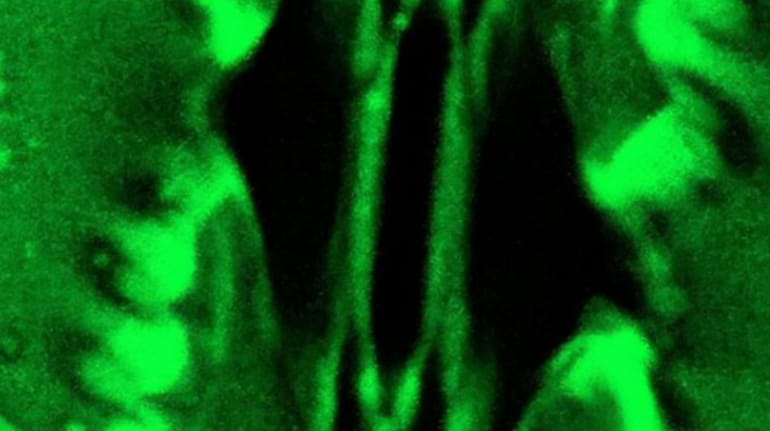

A groundbreaking discovery has amazed plant biologists. Scientists have visualised the process of plant respiration directly. This marks the first time gas exchange has been recorded live. The research sheds new light on how plants survive and thrive. For the first time, humans can watch plants “inhale” and “exhale”. These images highlight the intricate and dynamic life of plants.
What Did Scientists Capture?
Scientists have captured plant respiration in real time. This event recorded by scientists for the very first time. The process involves gas exchange through microscopic openings called stomata. Carbon dioxide enters while oxygen and water vapour are released continuously. The movement of gases was visualised with unprecedented cellular-level detail. This breakthrough allows humans to observe how plants truly “breathe.”
How Plants “Breathe”?
Plants rely on stomata for gas exchange and survival. These tiny pores open and close in response to environmental conditions. Light, humidity and temperature influence stomatal movement and water loss. Carbon dioxide intake fuels photosynthesis, producing energy and oxygen for life. Water vapour release helps regulate internal temperature and maintain balance.
Who Captured This Plant Breathing?
Researchers from leading plant biology institutions conducted the study. They used advanced imaging techniques and sensitive detection sensors. The technology tracked subtle changes in stomata over time accurately. The team recorded the first-ever real-time movement of plant gases. Their work provides a new window into fundamental plant processes.
Why this scientific breakthrough matters?
Understanding respiration reveals how plants adapt to environmental stress. It shows how water loss is carefully regulated under harsh conditions. This knowledge is crucial for agriculture and sustainable crop management. Farmers can improve water and nutrient efficiency using these insights. It also helps predict plant behaviour under climate change scenarios.
Broader Scientific Significance
The discovery advances plant biology and environmental research globally. It provides data for studying plant adaptation and stress responses. Climate scientists gain insights into vegetation interactions with the atmosphere. The technique could be applied to other plant physiological studies. This breakthrough paves the way for more efficient and resilient crops.
The Future of Plant Research
Scientists hope to study multiple species using this imaging method. Real-time visualisation could guide breeding for drought-resistant and productive crops. It also highlights the complexity of even the simplest plant functions. Observing respiration in action bridges gaps between plant science and agriculture. This achievement represents a major step forward for understanding plant life.
Discover the latest Business News, Sensex, and Nifty updates. Obtain Personal Finance insights, tax queries, and expert opinions on Moneycontrol or download the Moneycontrol App to stay updated!
Find the best of Al News in one place, specially curated for you every weekend.
Stay on top of the latest tech trends and biggest startup news.





