






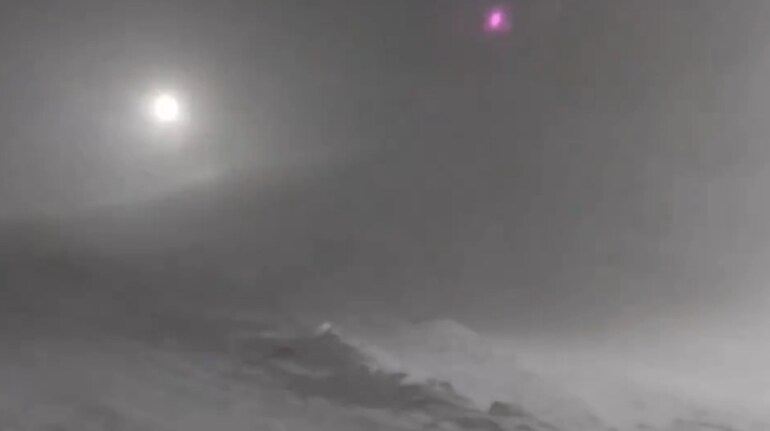

Winter has tightened its icy grip on Siberia and it’s showing no mercy this holiday season. Yakutia, Russia’s far-eastern region, has plunged into extreme cold. The temperatures have dropped to a staggering −56°C, shattering ordinary expectations.
What Is Happening in Russia?
Christmas arrived with snow and bone-chilling frost. Yakutsk, the regional capital of Russia faced −50°C to −56°C temperatures. Schools and kindergartens were closed to protect residents. Icy winds and blizzards make outdoor activity dangerous. Residents are urged to stay indoors and conserve heat. This brutal cold reminds the world of Siberia’s extremes.
What Makes Yakutia So Cold?
Yakutia sits in a landlocked Siberian basin. Cold air becomes trapped, forming a winter pressure system. Clear skies at night allow heat to escape rapidly. Permafrost locks ground heat deep below the surface. The result is a frozen pocket of extreme winter conditions. High-latitude sunlight scarcity worsens the relentless chill.
❄️ -56°C has been recorded in Yakutia — the lowest temperature on Earth right now. pic.twitter.com/DjJ9EZazrD— World of Statistics (@stats_feed) December 25, 2025
Can life Survive at −56°C?
Humans survive using clever adaptations and extreme precautions. Homes have triple-glazed windows to keep warmth inside. Cars rely on engine block heaters to start safely. Special clothing protects against frostbite and frozen skin. Even brief exposure outdoors can cause severe injury.
Scientists study these adaptations to understand human resilience. They measure how bodies respond to extreme cold stress. Researchers also examine architecture and technology for survival lessons.
Does This Have Any Connection with Science?
Extreme cold is a natural laboratory for science. Meteorologists study pressure systems and Arctic wind patterns. Climate scientists track permafrost and methane release risks. Researchers learn how humans endure harsh environments. This event lead towards engineering, climate modelling and survival strategies. Yakutia shows what is possible in nature’s coldest extremes.
What is The Bigger Picture here?
While –56°C highlights nature’s raw power, experts warn that rapid climate shifts may make such extremes more unpredictable in the future. Even as global warming progresses, pockets of extreme cold remain.
Melting permafrost threatens ecosystems and human infrastructure. Studying Yakutia helps predict impacts on climate and society. It highlights the delicate balance between natural extremes and survival.
Discover the latest Business News, Sensex, and Nifty updates. Obtain Personal Finance insights, tax queries, and expert opinions on Moneycontrol or download the Moneycontrol App to stay updated!
Find the best of Al News in one place, specially curated for you every weekend.
Stay on top of the latest tech trends and biggest startup news.





