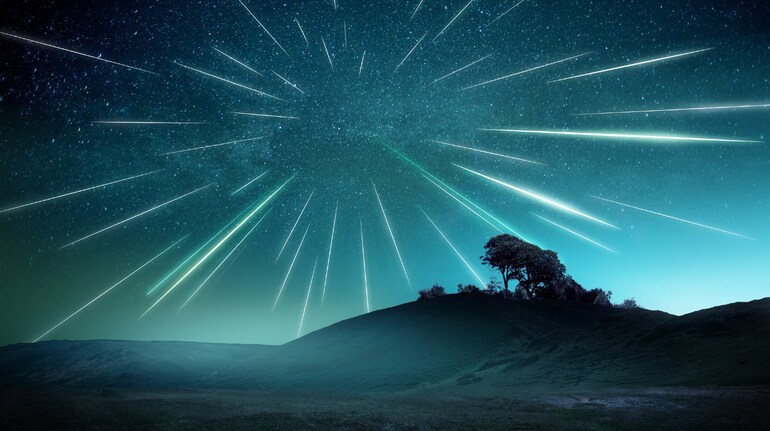
The New Year skies are set to dazzle with more than fireworks as the Quadrantid meteor shower makes its early January appearance. This celestial show peaks on the evening of 2 January and continues into the early hours of 3 January.
NASA ranks the Quadrantids among the best meteor showers. Bright fireball meteors light up skies every early January. Unlike others, this meteor shower has a short viewing window. Its duration may be brief, but its brilliance is unmatched.
What to Expect During the QuadrantidsDuring peak conditions, up to 200 meteors per hour appear. Skies will favour viewers this year with ideal dimness. The Moon will only be 11% full during the shower. This creates perfect conditions for stargazing enthusiasts across the globe.
Read Also: Year 2025 to witness four eclipses, but only one visible in India: Know dates and details
Viewers in the Northern Hemisphere get the best experience. To enjoy the show, find a dark, open area. Lie on your back with feet pointing northeast. Let your eyes adjust to the dark for optimal viewing.
Mars to Shine Brightly This JanuaryJanuary isn’t just about meteor showers—Mars will amaze too. On 12 January, Mars will be closest to Earth since 2022. The Red Planet will appear brighter and larger than usual. Shortly after, it will align with Earth and the Sun. This alignment makes Mars a striking sight in the night sky.
The Lyrid meteor shower will follow in mid-April 2025. Although less intense than the Quadrantids, it lasts up to three nights. These events mark a thrilling start to the astronomical calendar.
For regular celestial updates, visit the American Meteor Society. Make time to witness these cosmic wonders firsthand.
Discover the latest Business News, Sensex, and Nifty updates. Obtain Personal Finance insights, tax queries, and expert opinions on Moneycontrol or download the Moneycontrol App to stay updated!
Find the best of Al News in one place, specially curated for you every weekend.
Stay on top of the latest tech trends and biggest startup news.