






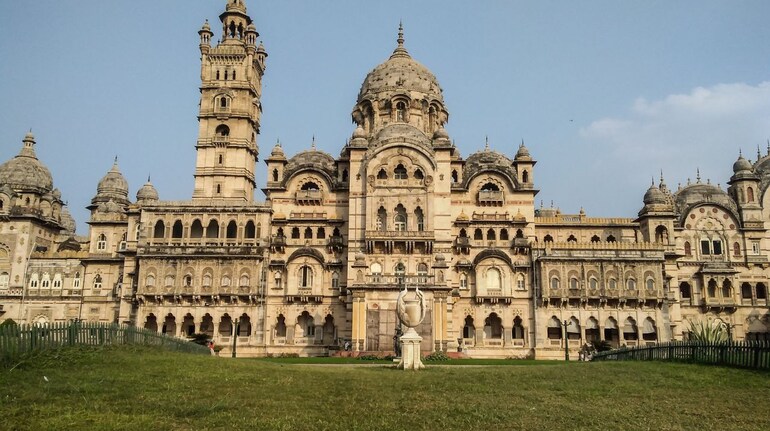

Lakshmi Vilas Palace continues drawing attention as one of the world’s largest private residences, reflecting royal ambition, architectural scale, and cultural legacy rooted deeply within India’s princely past.
Built during the late nineteenth century, Lakshmi Vilas Palace represents an era when royal homes symbolised authority, refinement, and progressive thinking. Situated in Gujarat’s Vadodara city, the palace remains a landmark admired for both size and significance.
A royal residence shaped by history
Lakshmi Vilas Palace was commissioned in 1890 for Baroda’s Gaekwad dynasty. Maharaja Sayajirao Gaekwad III oversaw its construction with reformist ideals. He envisioned a residence reflecting modern governance alongside traditional royal values. The palace soon became the centre of administrative, cultural, and ceremonial life.
British architect Robert Chisholm designed the palace with careful balance. His Indo Saracenic style blended Indian motifs with European planning. Arches, domes, and courtyards merged with Western interiors seamlessly. This approach reflected India’s changing relationship with global influences.
Size, design and modern comforts
Spread across more than 500 acres, the palace dominates Vadodara’s landscape. Its scale exceeds many well known royal residences worldwide. Expansive gardens, museums, halls, and courtyards form the vast complex. The residence was technologically advanced for its time. Elevators, spacious interiors, and European furnishings defined royal comfort.
Inside, craftsmanship appears through ornate furniture and detailed artwork. The Darbar Hall remains among the palace’s most striking spaces. It hosted royal audiences and ceremonial gatherings for decades. Lavish paintings and the Maharaja’s throne symbolised authority and heritage.
Art, culture and continuing legacy
Lakshmi Vilas Palace also played a major cultural role. Renowned artist Raja Ravi Varma worked within its walls. His paintings of Hindu deities gained national recognition. The palace library and art collections remain historically significant today.
The grounds house the Maharaja Fateh Singh Museum, displaying royal artefacts. Banquet halls and convention spaces support cultural events. A golf course, introduced during the 1930s, added leisure appeal. Renovated later, it was eventually opened for public access.
The palace’s visual grandeur attracted Indian filmmakers over decades. It appeared in films including Prem Rog and Satyaprem Ki Katha. Such exposure strengthened its presence in popular culture nationwide.
Today, Lakshmi Vilas Palace remains partially occupied by the Gaekwad family. Selected sections welcome visitors exploring royal India’s architectural ambition. Its scale, history, and living legacy continue captivating audiences worldwide.
Discover the latest Business News, Sensex, and Nifty updates. Obtain Personal Finance insights, tax queries, and expert opinions on Moneycontrol or download the Moneycontrol App to stay updated!
Find the best of Al News in one place, specially curated for you every weekend.
Stay on top of the latest tech trends and biggest startup news.





